Deep Vein Thrombosis vs Varicose Veins: Key Differences

Deep Vein Thrombosis vs Varicose Veins: Understanding Key Differences
Although varicose veins and deep vein thrombosis (DVT) both affect the veins, these two vascular conditions have different causes, involve different kinds of veins, and have unique symptoms. One is significantly more serious than the other. Understanding these vein-related issues is essential for recognizing which condition requires immediate medical attention. Whether you're noticing visible signs on your legs or experiencing vein dysfunction, knowing the differences between these conditions can help you seek timely treatment and prevent serious complications.
What Are Varicose Veins?
Varicose veins are swollen veins and twisted veins that typically appear on the legs. These enlarged veins become visible beneath the skin when valves in the veins become weakened and damaged. This causes blood to pool in the veins, leading to blood pooling and vein enlargement. The affected veins lie just below the surface, making them appear as bulging veins that are often blue or purple in color. Venous stasis and circulatory dysfunction contribute to the development of chronic venous insufficiency.
Vein degeneration occurs gradually over time, resulting in discoloration and a characteristic appearance. Unlike deeper vascular issues, superficial veins in varicose conditions remain visible and relatively easy to identify clinically.
What Is Deep Vein Thrombosis (DVT)?
Deep vein thrombosis is a serious medical condition where a blood clot forms in a deep vein, typically in the leg. This clot can cause blood flow obstruction and blocked circulation, leading to pain and swelling. DVT is classified as a venous thromboembolism, a potentially life-threatening condition because the blood clot can travel to the lungs, causing a pulmonary embolism (PE), which is life-threatening. Unlike varicose veins, which develop gradually, DVT can strike silently with rapid escalation and acute condition characteristics.
The formation of a thrombus in the thigh or calf creates vascular obstruction that can lead to serious thrombotic events if left untreated.
Key Differences: DVT vs Varicose Veins
Varicose Veins
Affect superficial veins Caused by weakened valves Easily detected visually Appear blue or purple on skin surface Result in bulging veins Generally not life-threatening Develop gradually
Deep Vein Thrombosis
Affect deep veins Caused by blood clot formation Often difficult to identify No visible surface signs Vascular obstruction by clots Potentially life-threatening Can develop suddenly
Symptom Comparison
Varicose Veins Symptoms
Common symptoms include leg aching, heaviness, and swelling, particularly after prolonged standing. Patients often experience itching around affected veins, along with skin changes and discoloration. The aching and cramping sensations are typically dull pain rather than sharp, and leg fatigue increases with activity. These symptoms result in cosmetic concerns for many patients, though they rarely cause life-threatening complications.
Deep Vein Thrombosis Symptoms
DVT manifests differently, with swelling typically in one leg, pain, and tenderness. The affected area may feel warm to the touch and show redness or skin discoloration. Patients experience localized pain that can be sharp, often in the calf or thigh. Critical warning signs include shortness of breath, dizziness, racing heartbeat, and chest pain—symptoms indicating pulmonary embolism symptoms. Importantly, up to 50% of DVT cases are asymptomatic, making the condition dangerous if left undetected.
Important: If you experience sudden swelling, severe pain, warmth, or shortness of breath in your leg, seek immediate medical attention. These could indicate DVT or pulmonary embolism, both of which are medical emergencies.
Risk Factors and Causes
Varicose Veins Risk Factors
Several factors increase the likelihood of developing varicose veins: age, pregnancy, obesity, prolonged standing, and family history. Additional risk factors include being female, smoking, use of oral birth control, and sedentary lifestyle. Vascular pressure from occupations involving extended periods of standing or sitting contributes significantly to valve dysfunction.
Deep Vein Thrombosis Risk Factors
DVT risk factors include prolonged immobility, recent surgery, injury, and pregnancy. Medical conditions affecting blood clotting, such as coagulation problems and cancer, increase susceptibility. Birth control pills and hormone replacement therapy elevate risk, as do smoking and vein damage. Notably, approximately 900,000 Americans develop venous thromboembolisms annually, with serious consequences if unaddressed.
Treatment Approaches of DVT & Varicose Veins
Varicose Veins Treatment
Varicose vein treatment starts with lifestyle changes: regular exercise, leg elevation, healthy weight maintenance, and compression stockings. For more permanent solutions, minimally invasive procedures like sclerotherapy and endovenous laser therapy (EVLT) are highly effective. These in-office procedures typically take under one hour, allowing patients to resume normal activity within days.
Deep Vein Thrombosis Treatment
DVT requires aggressive medical intervention. Anticoagulants (blood thinners) are the primary treatment, preventing clot growth and the formation of new clots. Compression stockings help improve blood flow and reduce swelling. For severe cases, catheter-based procedures or inferior vena cava filters may be necessary to prevent pulmonary embolism.
Prevention Strategies
Both conditions benefit from preventive measures: regular exercise improves vascular circulation, while weight management reduces vascular pressure. Avoid prolonged sitting and standing - take activity breaks every two hours. During lengthy flights, perform ankle pumps to maintain blood flow. Maintain venous health through healthy lifestyle choices, avoid smoking, and wear compression stockings if recommended by your doctor.
The Connection Between Varicose Veins and DVT
While varicose veins themselves are typically not dangerous, they may indicate underlying venous insufficiency. People with varicose veins have an increased risk of developing deep vein thrombosis, though many never develop the serious condition. Superficial Thrombophlebitis, involving blood clots in superficial veins, can potentially progress to deep vein thrombosis if untreated. Regular monitoring and close monitoring of symptoms is essential for anyone with compromised venous health.
Frequently Asked Questions
Q. 1 Can varicose veins lead to DVT?
While direct causation is rare, untreated varicose veins increase DVT risk. Regular monitoring ensures early detection of complications.
Q. 2 Is DVT always painful?
No. Up to 50% of DVT cases are asymptomatic, making routine check-ups crucial for at-risk individuals.
Q. 3 How long does varicose vein treatment take?
Most procedures last under one hour, with patients resuming normal activity within days.
Q. 4 Are compression stockings effective?
Yes. Compression improves blood flow and reduces swelling for both varicose vein relief and DVT prevention.
Protect Your Vascular Health Today
If you're experiencing leg pain, swelling, or notice visible veins, don't ignore these signs. Consult with a vascular specialist to determine your condition and receive appropriate treatment. Early detection and intervention can prevent serious complications and improve your quality of life.
For expert consultation and specialized vascular care, reach out to Dr. Ravul Jindal, HOD & Director of the Vascular Surgery Department, Fortis Hospital, Mohali.
Book a Consultation with Dr. Ravul Jindal - Vascular Surgeon, Fortis Hospital Mohali
Book your consultation while you read.
Recent Insights

Difference Between Type 1 and Type 2 Diabetes: Causes, Symptoms and Treatment

Diabetic Foot Ulcer: Warning Signs, Causes, and When to Seek Treatment

Blood Clot in Leg: Symptoms You Should Never Ignore

Sclerotherapy for Varicose Veins: Procedure, Benefits, and Recovery
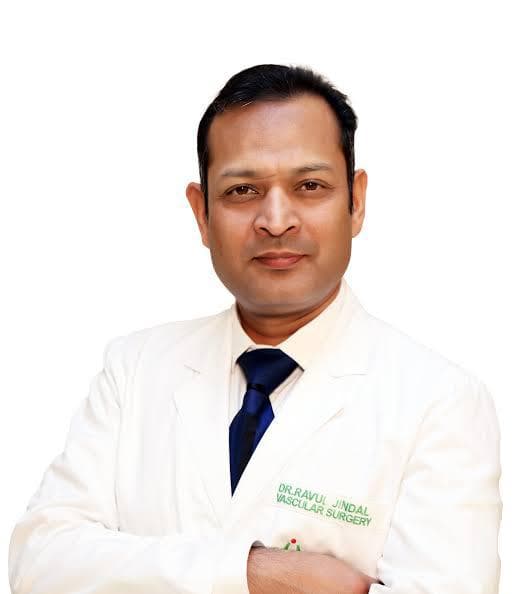
Dr. Ravul Jindal Team
Director, Vascular & Endovascular Surgery
MBBS, MS (General Surgery), FRCS (Edinburgh), DNB, FIVS (Fellow of India Vascular Surgery)
Director of Vascular Surgery at Fortis Hospital Mohali with 30+ years of experience in varicose veins, DVT, diabetic foot, and endovascular surgery.