Diabetic Foot Ulcer Care and Treatment in Mohali by Dr. Ravul Jindal
In India, foot complications from uncontrolled diabetes demand early-stage management from an expert vascular specialist. Addressing complex open wounds and callused ulcers before they worsen is critical to preventing gangrene and protecting patients from irreversible harm.
"At Fortis Hospital Mohali, Dr Ravul Jindal delivers evidence-based treatment for these non-healing wounds using world-class technology. From chronic wound management to complex surgical reconstruction, every care plan is personalised -focused on healing the affected limb and avoiding amputation wherever possible."
What is Diabetic Foot Ulcer ?
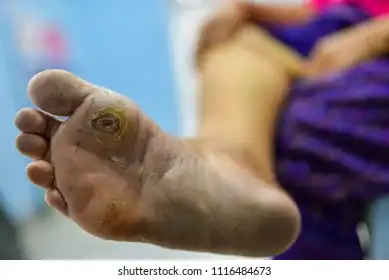
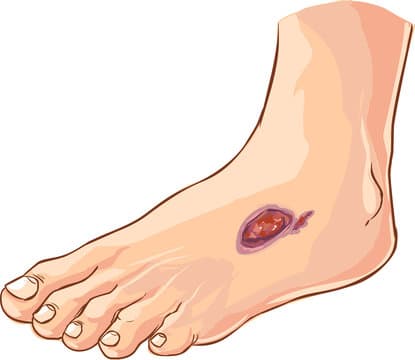
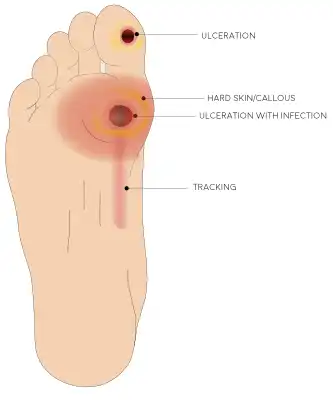
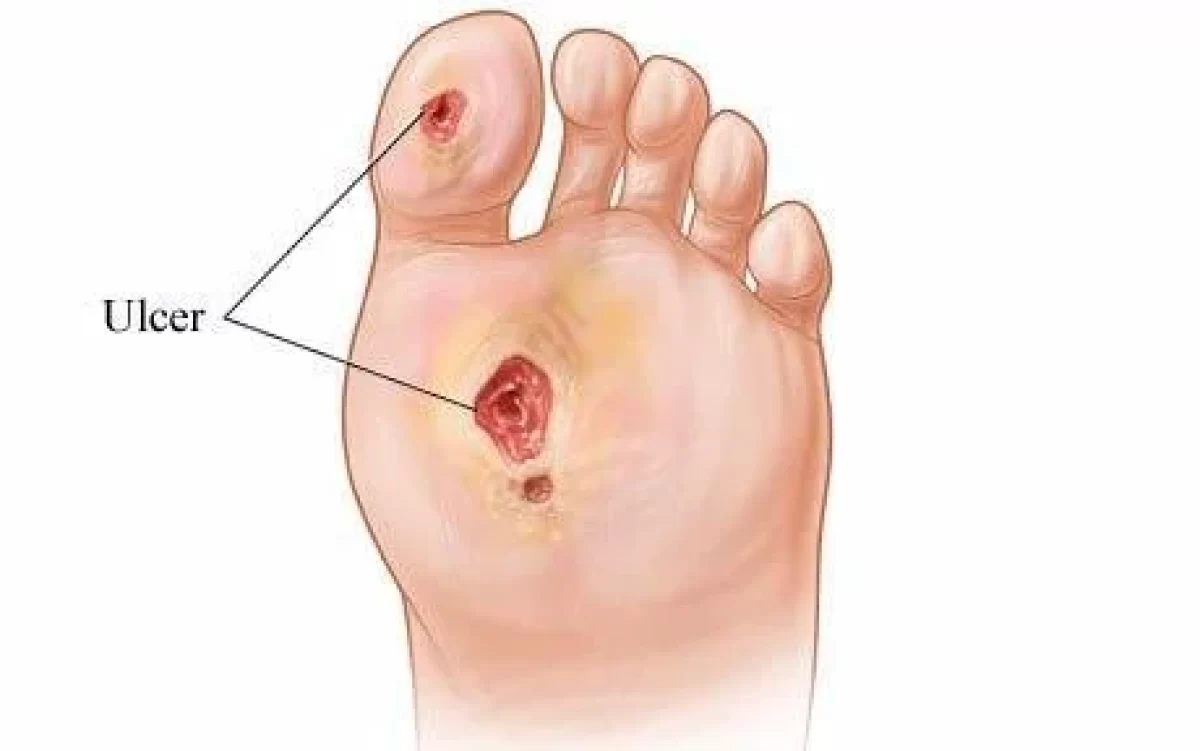
A diabetic foot ulcer is an open wound that typically begins with something minor -a cut, blister, or callus that goes unnoticed. In patients with poorly controlled blood sugar, these injuries can progress through stages, from Grade 0 with intact but at-risk skin all the way to Grade 5, where whole-foot gangrene may require amputation.
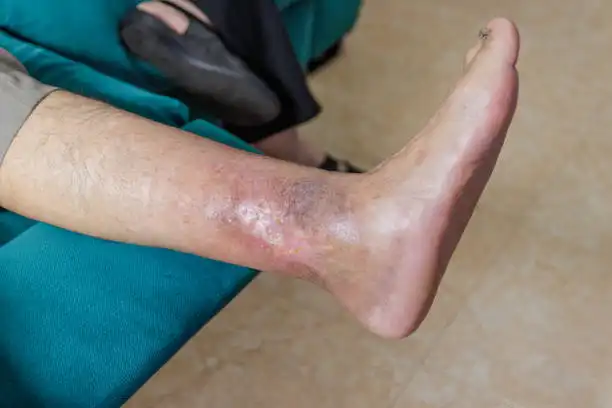
Visible signs include skin discoloration, pus discharge, and swelling. The condition is frequently accompanied by Charcot's foot, nail disorders, and dry, cracked skin. Over time, the wound can penetrate deeply -reaching tendon, bone, or joint capsule -sometimes causing osteomyelitis or abscess formation.
Effective wound care in Mohali and Chandigarh addresses these chronic injuries through debridement and structured ulcer management. Treating such complex cases demands a thorough understanding of the underlying tissue damage and a clear strategy to prevent severe outcomes like joint deformity or gangrene.
What Causes Diabetic Foot Problems?
Persistent hyperglycemia triggers systemic tissue damage, essentially starving the feet of oxygen. When elevated blood sugar levels saturate small blood vessels, the resulting poor blood supply drastically impairs healing and accelerates structural decline.
Experts observe that advanced glycation end products (AGEs) provoke extensive blood vessel damage. This biochemical cascade often precedes diabetic neuropathy, where lost sensation masks injuries. This nerve damage remains a primary driver for diabetes complications.
The Golden Rule
Maintaining an A1C below 7% is vital, as large blood vessels also deteriorate. Statistics show 15% of patients develop a foot ulcer within three years. Early intervention in Mohali prevents these severe physiological risks.
The Role Of Diabetic Neuropathy And Poor Circulation
Sensory neuropathy diminishes protective sensation, so unnoticed cuts, blisters, and hidden pressure points persist without triggering pain. When poor circulation reduces blood flow to the affected area, injured tissue receives less oxygen and fewer nutrients - quietly delaying recovery.
Over time, motor neuropathy disrupts muscle function, leading to structural foot deformities and abnormal pressure distribution during walking. Autonomic neuropathy simultaneously alters sweat production, causing dry and cracked skin. With fewer infection-fighting cells reaching the site, vulnerable tissue develops infections that resist standard antibiotic treatment.
Common Conditions: Ulcers, Infections, Charcot Foot
Neglecting minor symptoms can lead to severe structural and clinical complications.
Nearly 15% of diabetics develop ulcers at unnoticed pressure points.
Neglected ulcers progress into open wounds with rising amputation risk.
Many cases turn polymicrobial, advancing toward osteomyelitis.
Around 10% of severe infections significantly increase amputation likelihood.
Charcot foot causes destructive complications and joint deformity.
Charcot deformity leads to nearly 50% eventual amputation if unmanaged.
Diagnosis Of Diabetic Foot Ulcer
I begin with medical history and a thorough physical examination of the feet, assessing every minor scratch, cut, or blister alongside pulse and overall blood flow - because vascular compromise often rewrites prognosis before dramatic symptoms appear.
When uncertainty persists, X-rays, MRI scans, and blood tests work together to confirm the extent of damage, detect possible infection, and ground clinical judgment in measurable evidence before treatment begins.
Care & Treatment of Diabetic Foot Ulcer
Advanced care by an experienced vascular specialist in Mohali combines infection control, circulation improvement, and surgical precision to preserve the affected limb and restore long-term mobility.
Revascularization
Procedures like atherectomy and balloon angioplasty significantly improve flow in severe cases.
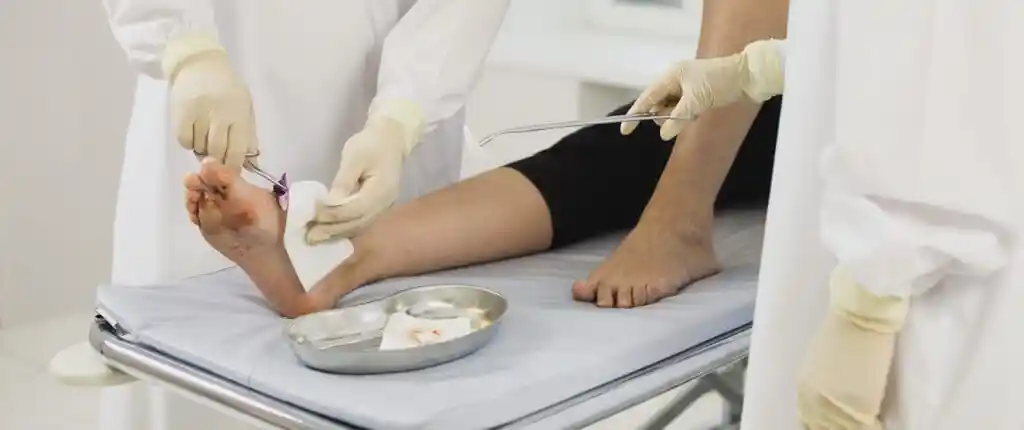
Debridement
Careful debridement removes dead tissue and infected tissue, minimizing bacteria load and promoting faster structured healing responses.
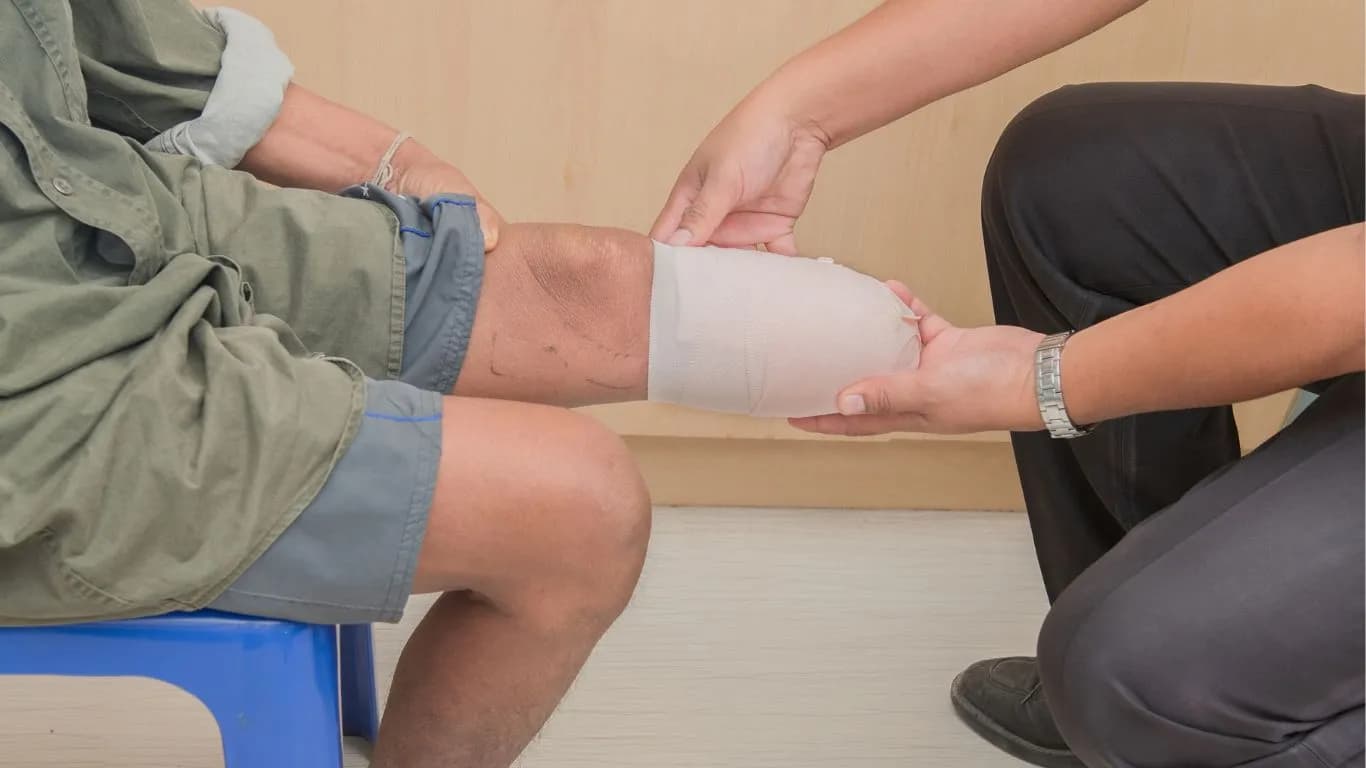
Amputations
Necessary only in advanced cases where extensive destruction threatens patient survival.
Advanced Limb Salvage Surgery in Mohali
At Fortis Hospital Mohali, the treatment approach depends on the stage of the wound, severity of infection, and the patient's circulatory status. As a recognised Advanced Wound Care Centre, the hospital provides multidisciplinary management for complex lower-limb conditions.
Procedure Duration
Approx. 30 - 45 Minutes
Wound debridement to remove infected and non-viable tissue.
Faster healing with Negative Pressure Wound Therapy (NPWT).
Hyperbaric oxygen therapy to restore oxygen supply to compromised tissue.
Peripheral angioplasty to improve arterial blood flow to the affected limb.
Limb salvage surgery to preserve the foot and avoid amputation wherever possible.
When Orthopedic Treatment Becomes Necessary
Orthopedic intervention is initiated when active ulcerations, deep infection, or progressive ischemia threaten stability. With Dr Ravul Jindal, we prioritize limb salvage before amputation - correcting Charcot foot, managing traumatic injuries, and removing retained foreign bodies to reduce recurrence rates from 58.4% toward 30.4% over two years.
Despite optimal management, wound healing is not universal, and without timely action, decline may progress to gangrene within one year. Acting decisively within 4-6 weeks often determines whether tissue preservation succeeds or irreversible loss occurs.
Why Choose Dr. Ravul Jindal For Diabetic Foot Ulcer Treatment in Mohali?
Dr. Ravul Jindal's 30+ years of vascular surgery experience and international training give patients in Mohali the best possible chance of limb preservation and full recovery.
- Advanced Surgical Expertise - Senior Registrar trained at St. Mary's Hospital London, Imperial College affiliated
- Limb Salvage Focus - Specialised revascularisation and angioplasty to prevent amputation in severe cases
- Multidisciplinary Wound Care - Personalised treatment combining debridement, NPWT, and advanced vascular therapies
- Trusted Leadership - Director and HOD at Fortis Hospital Vascular Surgery Department for over 25 years
- Patient-First Approach - Individualised care plans ensuring faster healing and long-term foot health
Early intervention with an experienced vascular specialist significantly reduces amputation risk. Dr. Ravul Jindal's expertise at Fortis Hospital Mohali ensures world-class, affordable treatment with lasting results.
4000+
Successful Surgeries
30 plus
Years Exp.

Frequently Asked Questions (FAQs)
Finding the right answers to your foot health concerns helps you make informed decisions and seek timely, effective medical care.
What are the effective off-loading techniques for foot ulcers in diabetic patients?
How does surgical off-loading benefit patients with foot complications in diabetes?
What is the significance of the '50% rule' in foot wound management?
What role do orthopedic surgeons play in managing these conditions?
How do chronic foot ulcers develop in people with diabetes?
What are the different types of foot ulcers seen in diabetic patients?
Can a diabetic foot ulcer be treated at home in Mohali?
Why does a foot ulcer not heal on its own?
Expert Vascular Care for Better Recovery
Get a specialist review fordiabetic foot ulcer care and treatment in mohali by dr. ravul jindal with personalised guidance and treatment planning.