Peripheral Artery Disease Treatment in Mohali
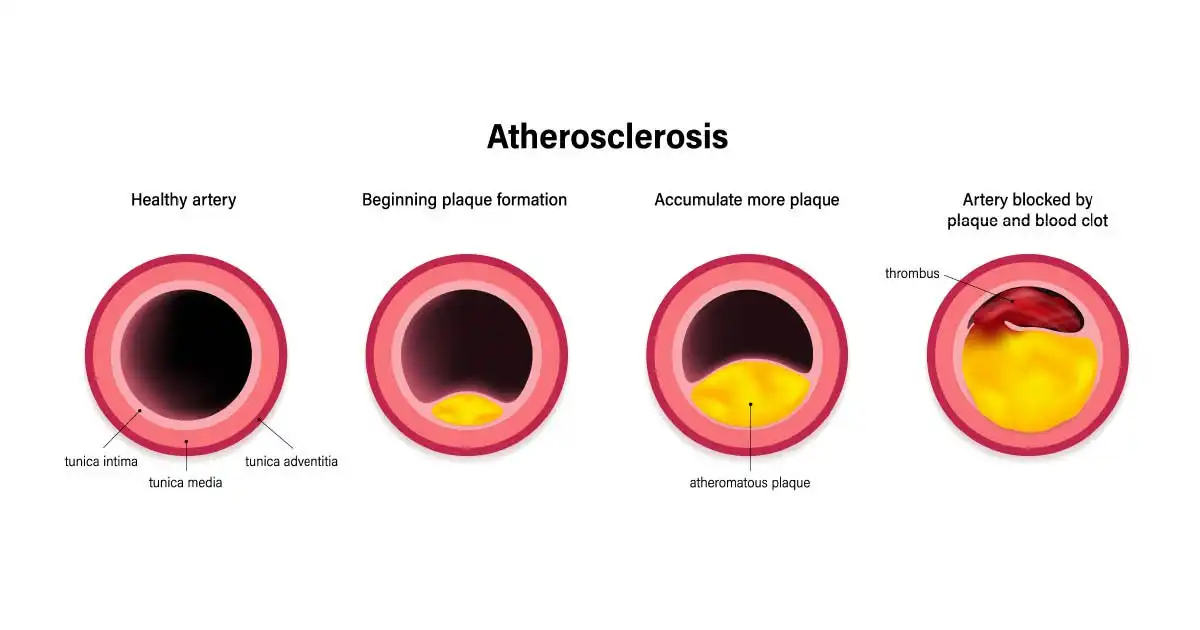
Peripheral Artery Disease (PAD) is a circulatory condition caused by the narrowing and blockage of arteries that carry oxygen-rich blood from the heart to the limbs - most commonly the legs and feet. As fatty deposits accumulate along arterial walls, blood flow becomes restricted, triggering leg pain, cramping, fatigue, and numbness during physical activity. Many patients dangerously dismiss these early signs as normal aging.
"At Fortis Hospital, Dr. Ravul Jindal brings over three decades of surgical experience to patients dealing with this condition - offering precise, minimally invasive care for everything from early tingling and non-healing wounds to critical limb ischemia. Left untreated, these complications can escalate to heart attack, stroke, or amputation."
What is Peripheral Artery Disease?
Peripheral vascular disease quietly disrupts normal blood supply long before symptoms emerge. Unlike a sudden heart event, this condition develops in arteries that serve arms, legs, kidneys, and stomach, reducing physical activity tolerance progressively without obvious warning signs.
Smokers and those with multiple risk factors often dismiss early weakness as aging. However, circulatory problem patterns rooted in vascular constriction and narrowed veins silently restrict the brain and vital organs, worsening ailments that compound into serious complications over time.
What separates PAD from nerve entrapment or common injuries is its systemic reach. Non-invasive tests like the ankle-brachial index confirm arterial narrowing, enabling vascular doctor specialists to distinguish true peripheral arterial disease from infections or musculoskeletal mimics effectively.
Common Causes & Risks
Peripheral artery disease often develops silently, with mild symptoms that worsen over time. Early detection is important to prevent serious complications and maintain healthy blood circulation in the legs and feet.
Leg pain while walking or climbing stairs
Numbness or weakness in legs and feet
Cold sensation in lower legs or feet
Slow healing wounds or foot ulcers
Skin color changes or reduced hair growth
Weak or absent pulse in the legs or feet
Causes of Peripheral Artery Disease
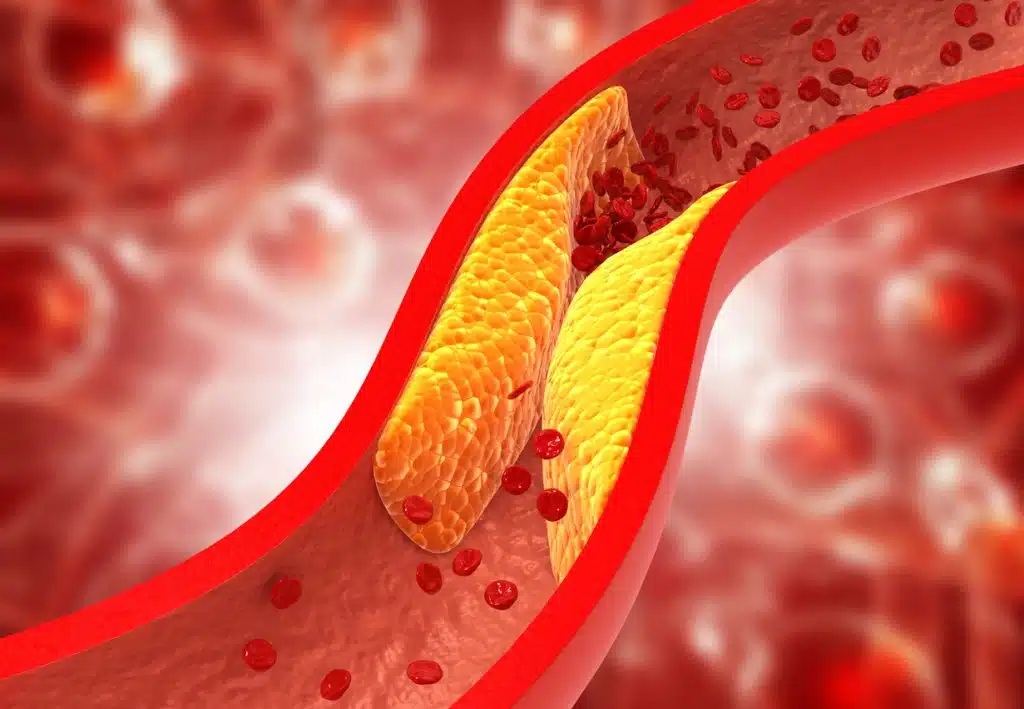
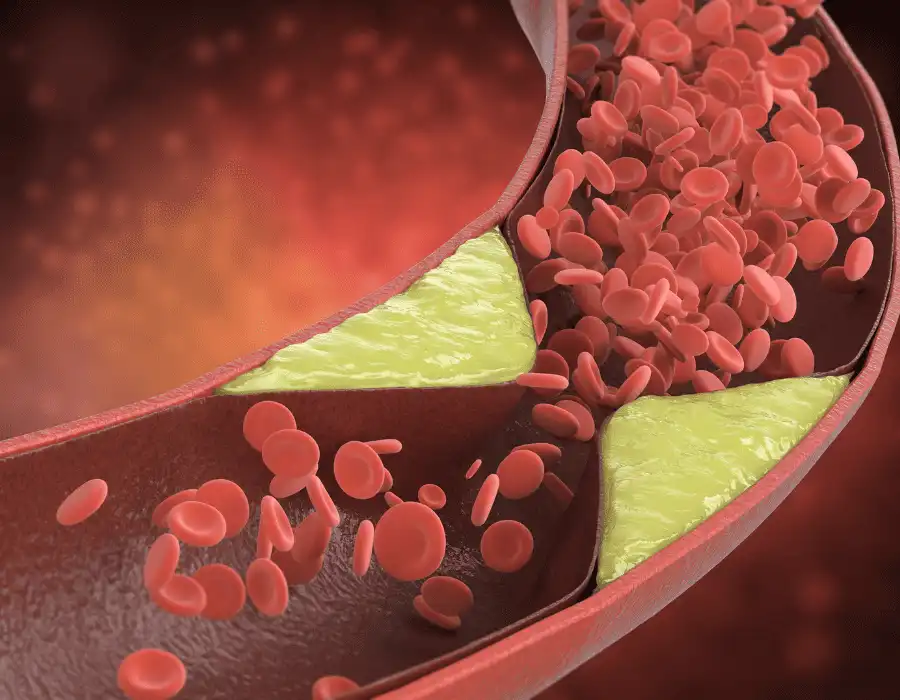
Atherosclerosis drives most PAD cases - if left untreated, it progresses to a condition requiring leg artery blockage treatment through angioplasty, stenting, or bypass surgery. Smoking escalates risk nearly 4 times above baseline, while elevated blood sugar from diabetes accelerates arterial narrowing. High blood pressure continuously strains blood vessels, worsening atherosclerosis far beyond what healthy arteries can withstand.
High cholesterol leads to plaque buildup inside arteries, narrowing blood vessels and restricting healthy blood flow. Excess body weight taxes the circulatory system, affecting both elderly adults and young persons when cholesterol levels go unmanaged - making early lifestyle intervention and vascular assessment critically important.
Diagnosis of Peripheral Artery Disease
Accurate diagnosis of PAD combines imaging, blood work, and physical evaluation to detect arterial blockages before symptoms worsen.
Procedure Duration
Approx. 30 - 45 Minutes
Blood Tests - Measures cholesterol, C-protein, and homocysteine levels to assess vascular inflammation and arterial disease risk factors.
Ultrasound Scan - Uses sound waves to visualize blood flow and detect narrowing or blockages within leg arteries.
Angiography - Injects a contrast agent into the artery, using X-rays to map blood flow and pinpoint blockages precisely.
Ankle-Brachial Index (ABI) - Compares blood pressure at the ankle and arm; a low ABI ratio confirms reduced arterial circulation.
CT Angiography - A non-surgical test imaging arteries across the legs, arms, pelvis, and abdomen with high structural clarity.
Physical Examination - Physicians assess pulse, skin tone, hair loss, and non-healing sores on feet to identify artery blockage signs.
Advanced Treatment Options
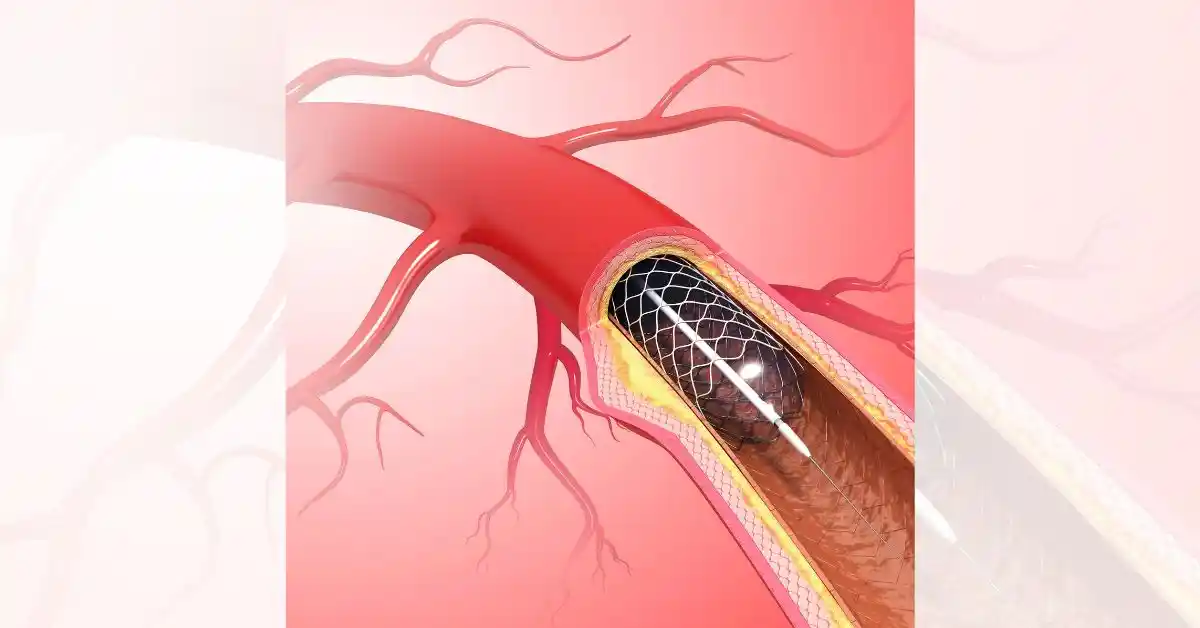
Restoring healthy blood flow requires precision. We offer a full spectrum of surgical and minimally invasive PAD treatments, including Advanced revascularization and Bypass surgery for severe disease.
Peripheral Angioplasty
A catheter-based procedure that opens blocked arteries to relieve painful claudication symptoms.
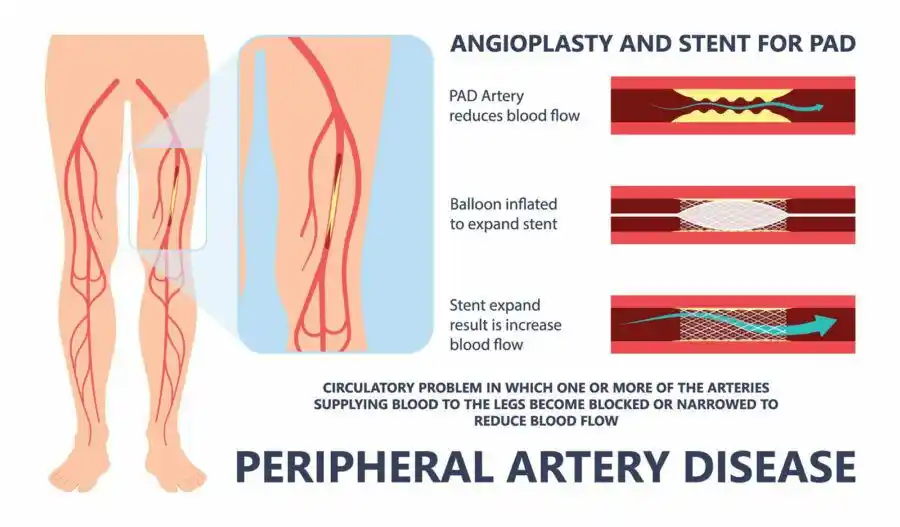
Peripheral Stenting
Placement of metallic stents to maintain artery openness and ensure long-term improved circulation.
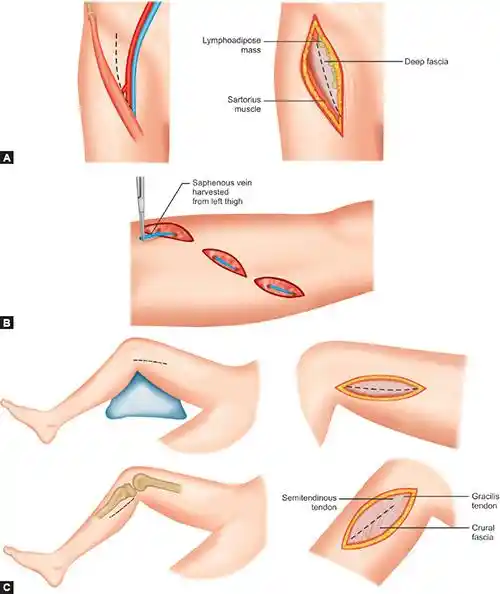
Fem-Pop Bypass
Rerouting blood around blocked femoral arteries through Bypass surgery to restore circulation and prevent limb ischemia.
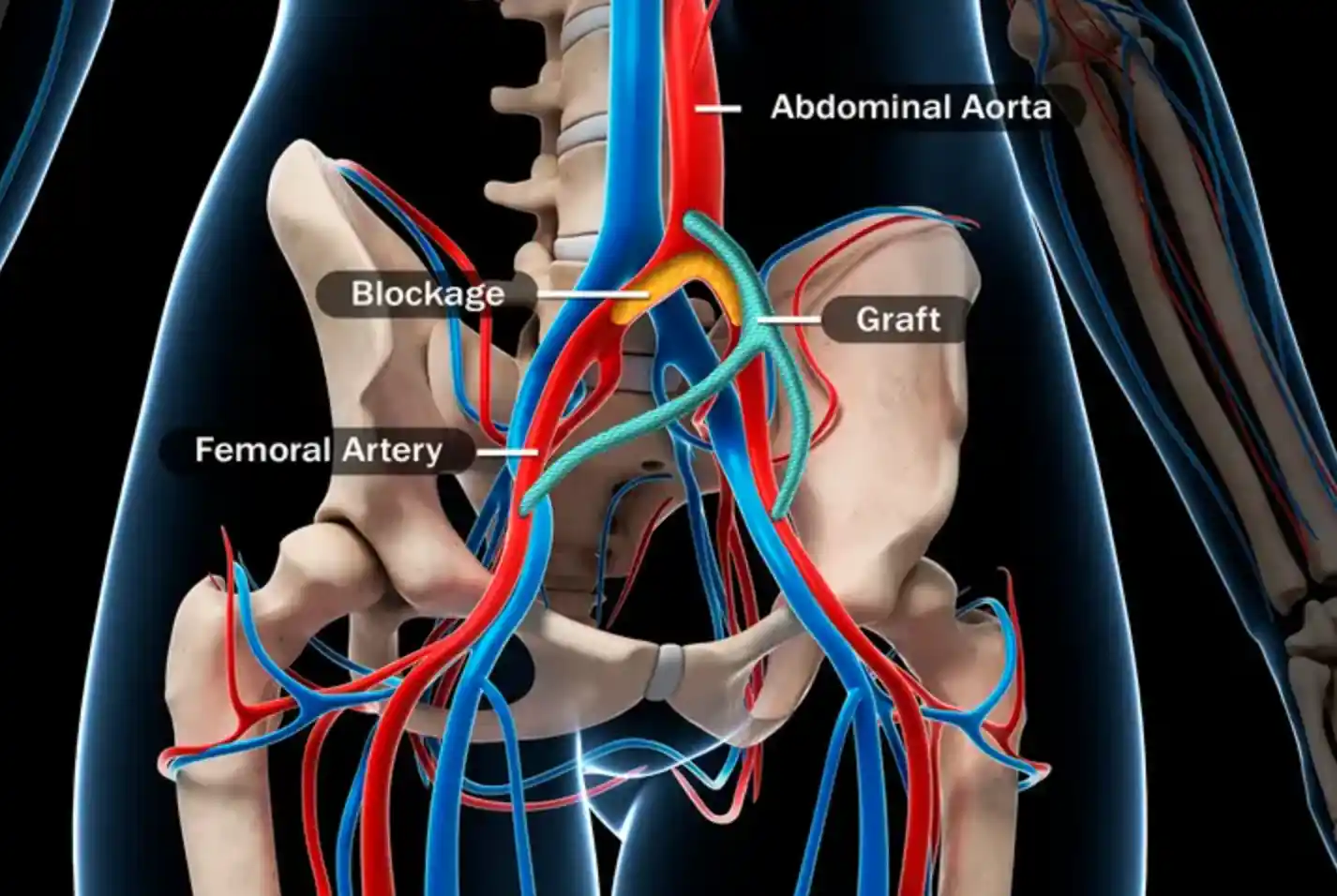
Aorto-femoral Bypass
Major bypass connecting the aorta to femoral arteries for severe, extensive arterial blockages.
Prevention & Lifestyle Modification
Adopting deliberate lifestyle modifications early remains the most underrated shield against poor leg circulation. Clinically, patients with strong family history markers benefit enormously when a doctor intervenes before atherosclerosis silently narrows circulation beyond manageable thresholds.
A disciplined healthy meal plan eliminating Trans fat, low saturated fat choices, reduced sodium, and controlled cholesterol intake paired with fresh fruits, vegetables, and low-fat dairy products keeps blood vessels naturally flexible and responsive under pressure.
The Golden Rule
Obesity increases the risk of PAD, heart attack, and stroke. In fact, the risk can be up to four times higher compared to healthy individuals. Combining weight loss, quit smoking, avoiding tobacco smoke, consistent hydration, regular health check-ups, and medical management ensures preventing and managing undiagnosed health conditions through timely diagnose protocols.
Meet Our Peripheral Artery Disease Specialist in Mohali
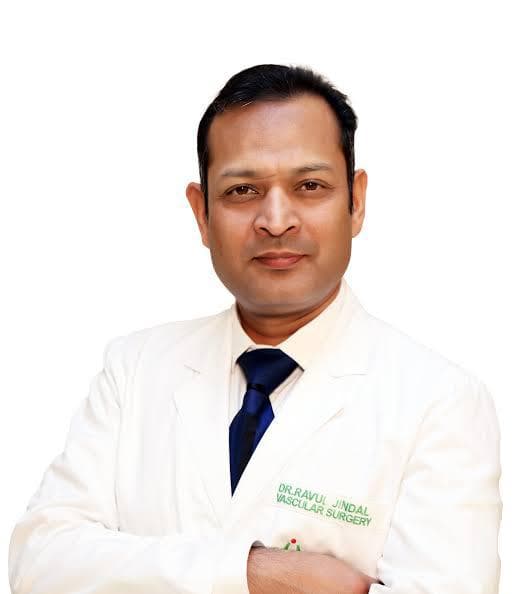
Dr. Ravul Jindal is Mohali's top vascular specialist with 30-plus years of experience, serving as Director & HOD of Vascular and Endovascular Surgery at Fortis Hospital, Chandigarh.
- Treated thousands of patients with reduced blood flow to limbs.
- Pioneers minimally invasive peripheral arterial angioplasty and vascular interventions.
- Specialises in limb preservation techniques for complex PAD cases.
- Combines diagnostic precision with cutting-edge vascular treatment standards.
- Trusted PAD specialist across Mohali and Chandigarh region.
His patient-first approach redefines care for poor leg circulation, earning recognition as the definitive PAD specialist for complex peripheral vascular diseases across the region.
4000+
Successful Surgeries
30 plus
Years Exp.
Essential Foot Care for PAD Patients
Self-check feet daily for redness or swelling
Use warm water and mild soap for cleaning
Inspect soles using a mirror for hidden cuts
Watch for change of color or blister formation
Consult a vascular specialist for persistent symptoms
Protect limbs from wounds, ulcerations, and infections
Frequently Asked Questions (FAQs)
Understanding poor leg circulation can feel overwhelming. Here are honest, experience-backed answers from Dr. Ravul Jindal to guide your treatment decisions confidently.
What is Peripheral Artery Disease (PAD)?
What are the common symptoms of PAD?
What are the treatment options for PAD?
Who treats Peripheral Artery Disease In Mohali?
What conditions do interventional radiologists treat?
When should I consider seeing an interventional radiologist?
How long does recovery take after an interventional radiology procedure?
Is interventional radiology treatment painful or risky?
Expert Vascular Care for Better Recovery
Get a specialist review forperipheral artery disease treatment in mohali with personalised guidance and treatment planning.