Catheter Directed Thrombolysis Therapy in Mohali by Dr Ravul Jindal
Blood clots and vascular blockages are serious medical conditions that can lead to life-threatening complications if not treated promptly. At Fortis Hospital Mohali, patients have access to world-class endovascular expertise and advanced catheter-based clot treatment.
Under the leadership of Dr. Ravul Jindal, Director and HOD of Vascular Surgery, the unit offers state-of-the-art Catheter Directed Thrombolysis (CDT) therapy—a targeted, image-guided procedure that dissolves dangerous blood clots precisely at the site of blockage, minimizing risk and maximizing recovery.
95%
Clinical Success Rate
What is Catheter Directed Thrombolysis?
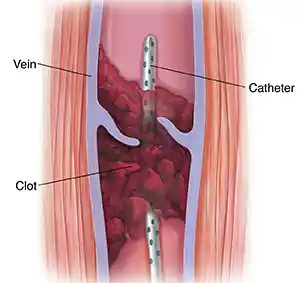
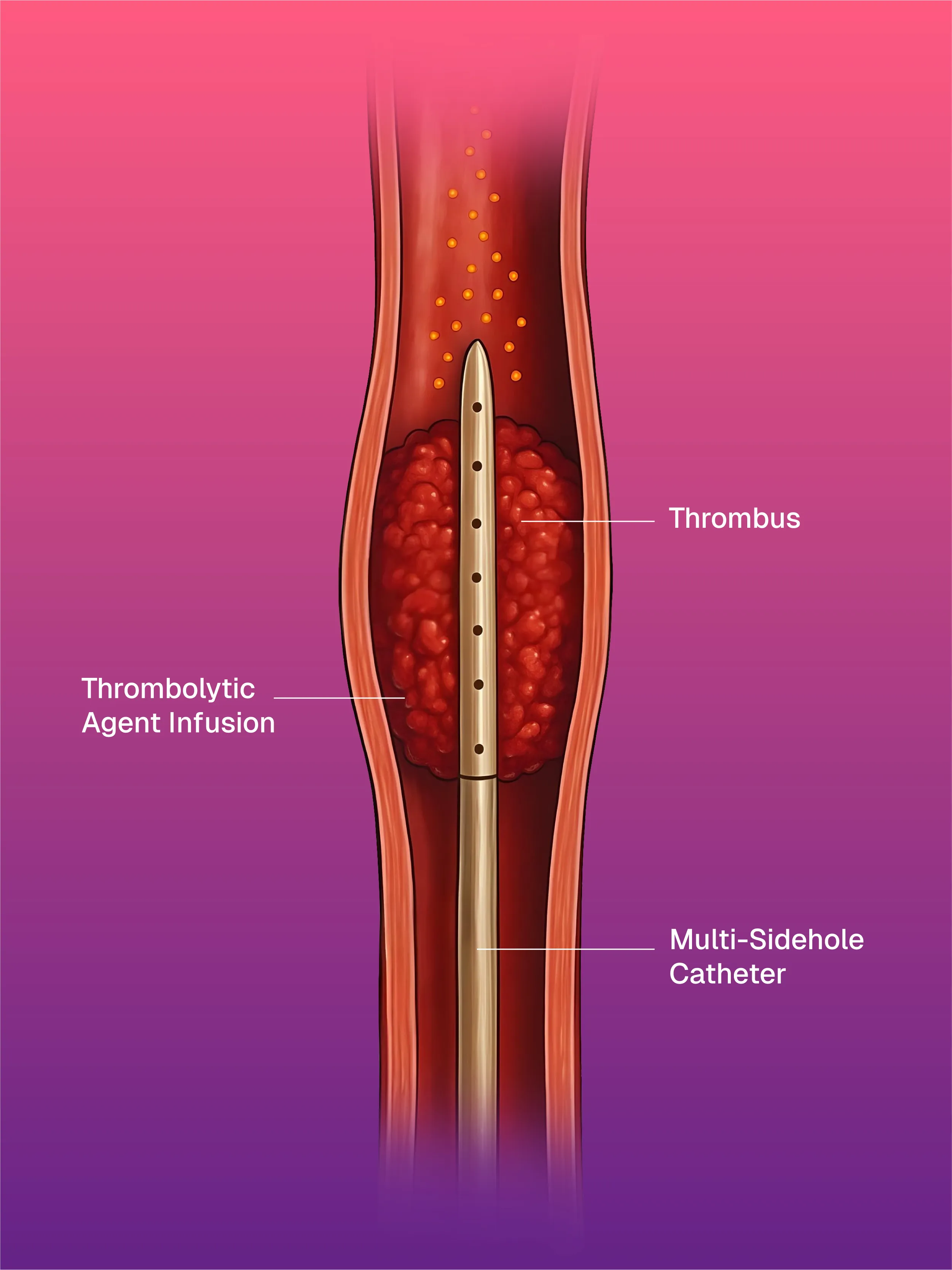
Catheter Directed Thrombolysis (CDT) is a minimally invasive endovascular procedure used to dissolve blood clots that have formed inside veins or arteries. Unlike systemic thrombolysis, which delivers clot-dissolving drugs throughout the entire bloodstream, CDT uses image guidance to thread a thin, flexible catheter directly into the blocked vessel and infuse thrombolytic agents—such as tissue plasminogen activator (tPA)—precisely at the clot site.
This targeted drug delivery approach achieves faster, more effective clot dissolution while significantly reducing the risk of systemic bleeding complications compared to traditional intravenous thrombolysis or open surgical thrombectomy. CDT preserves vein valves and vessel integrity, making it the gold standard for treating extensive, acute thrombotic occlusions.
Symptoms That May Indicate a Dangerous Blood Clot
Recognizing early warning signs is critical. Seek immediate vascular evaluation if you experience any of the following:
Sudden leg swelling, redness, or warmth (classic signs of DVT)
Persistent pain or cramping in the limbs, particularly in the calf or thigh
Skin discoloration—bluish or pale skin indicating vascular compromise
Breathing difficulty, chest pain, or rapid heartbeat (possible signs of PE)
Cold, numb, or pulseless extremities suggesting acute limb ischemia
How Catheter Directed Thrombolysis Procedure Works
The CDT procedure is performed in a dedicated endovascular suite through several carefully coordinated steps:
Step 1: Diagnosis and Imaging Tests
Advanced imaging—including Duplex ultrasound or CT angiography—confirms the presence and extent of the clot to guide treatment planning.
Step 2: Catheter Insertion Process
Under local anesthesia and fluoroscopy, a thin catheter is inserted through a small skin puncture and navigated directly into the blocked vessel.
Step 3: Clot Dissolving Medication Infusion
Thrombolytic medication (rt-PA) is infused continuously through the catheter into the clot, maximizing efficacy while minimizing systemic bleeding risk.
Step 4: Monitoring and Clot Removal
The patient is monitored in the ICU for 12–48 hours. If needed, additional mechanical devices or balloon angioplasty are used for complete vessel clearance.
Benefits of Catheter Directed Thrombolysis
CDT offers significant advantages over conventional open surgical or systemic thrombolytic approaches, providing a modern, targeted solution for complex vascular blockages:
Minimally invasive - no major surgical incision, performed through a small catheter entry point
Faster, more targeted clot removal with direct infusion to the thrombus site
Significantly reduced systemic bleeding risk compared to intravenous thrombolytic therapy
Preservation of vein valve function, reducing the risk of long-term post-thrombotic syndrome
Faster recovery with shorter hospital stay compared to open vascular surgery
Clinical Success
95%+
Reported Clinical Success
Insurance Support
EMI Options Available
Other Minimally Invasive Vascular Treatment Options at Fortis Hospital Mohali
Dr. Ravul Jindal and his expert team offer a comprehensive range of advanced endovascular treatments tailored to each patient’s clinical needs:
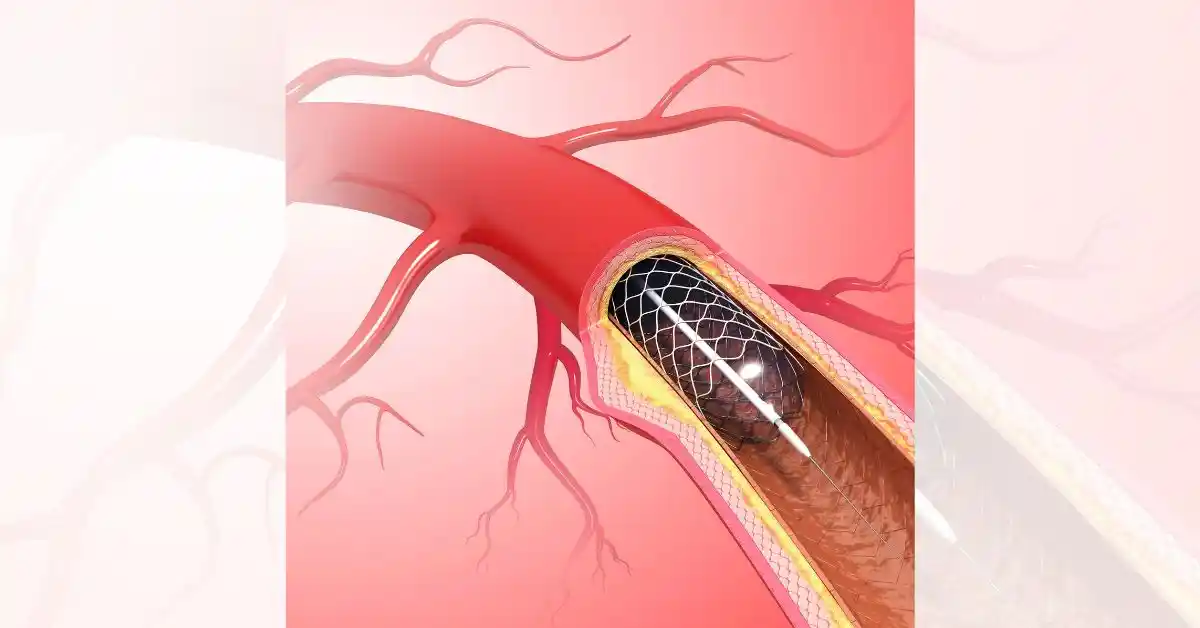
Mechanical Thrombectomy
A catheter-based procedure that physically removes acute blood clots from blocked arteries or veins, rapidly restoring circulation and preventing permanent tissue damage.
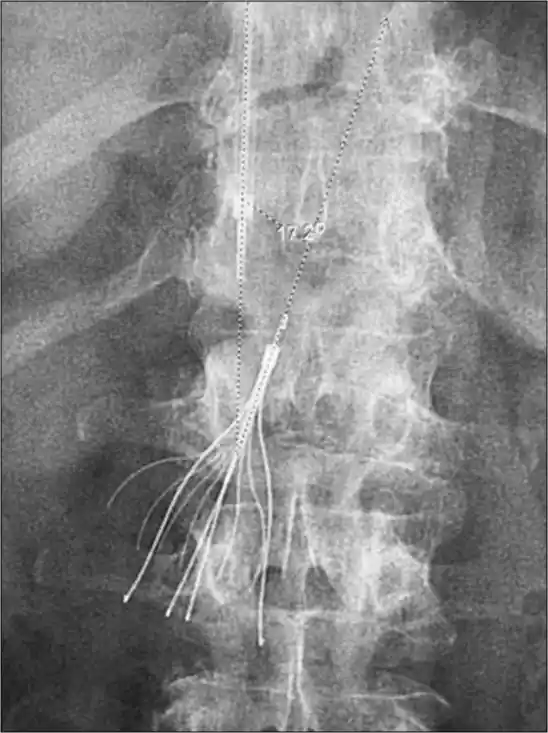
IVC Filter Placement
A minimally invasive vascular procedure that inserts a small device into the inferior vena cava to intercept dangerous clots before they reach the lungs.
Why Choose Dr. Ravul Jindal for Catheter Directed Thrombolysis in Mohali
Dr. Ravul Jindal is north India’s leading vascular surgeon, offering 30 years of expertise in catheter directed thrombolysis, endovascular treatments, and complex vascular surgery at Fortis Hospital Mohali.
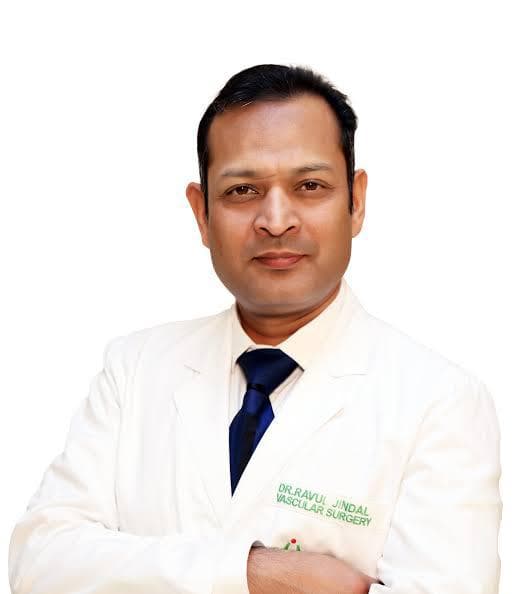
"Patients across Punjab trust Dr. Ravul Jindal for safe, precise catheter directed thrombolysis and advanced vascular disease management at Fortis Hospital, Mohali."
Expertise
Vascular Leadership
30 years of specialist vascular surgery experience.
Global Pedigree
Senior Registrar, St Mary’s Hospital London, Imperial College.
Clinical Authority
Director and HOD, Vascular Surgery, Fortis Mohali.
Interventional Expert
Expert in minimally invasive endovascular clot treatments.
Limb Salvage
Specialized in limb salvage and complex vascular care.
FAQs About Catheter Directed Thrombolysis in Mohali
Is Catheter Directed Thrombolysis safe?
How long does the thrombolysis procedure take?
Who needs Catheter Directed Thrombolysis treatment?
What is the recovery time after thrombolysis?
Can blood clots return after treatment?
Seek Immediate Expert Care for Blood Clots
Don't ignore the warning signs of DVT or blocked arteries. Get a timely evaluation from Dr. Ravul Jindal at Fortis Hospital Mohali for advanced, life-saving CDT therapy.