Critical Limb Ischemia Treatment in Mohali
At Fortis Hospital Mohali, patients battling critical limb ischemia find more than treatment - they find a structured pathway toward limb salvage, supported by advanced vascular infrastructure and a team that treats peripheral artery disease with genuine clinical urgency.
Dr. Ravul Jindal brings over 30 plus years of focused vascular surgeon expertise to every CLI treatment Mohali case. His patient-first philosophy -restoring circulation before tissue loss becomes permanent - has shaped outcomes that conventional peripheral artery disease management rarely achieves.
"When limb salvage is still possible, timing determines everything. Seek expert vascular care without delay - book appointment today and connect with a vascular surgeon whose approach to critical limb ischemia has helped hundreds across Mohali and beyond reclaim mobility."
What is Critical Limb Ischemia (CLI)?
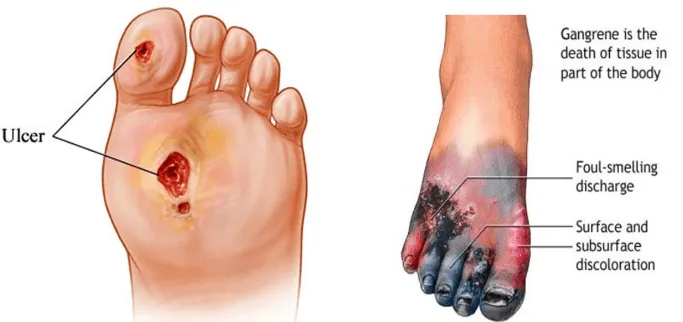
CLI represents the most severe stage of peripheral artery disease (PAD), where narrowed or blocked arteries—hardened by atherosclerosis and plaque—critically restrict blood flow to the lower extremities, threatening legs, feet, and toes.
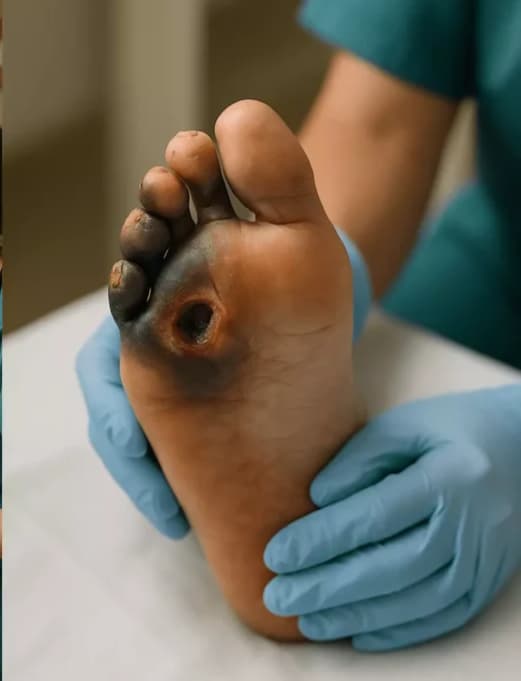
As a chronic condition and defined clinical syndrome classified under Rutherford classification and Fontaine III/IV, CLI presents with ischemic rest pain, night pain, numbness, severe pain, non-healing wounds, ulcers, and ischemic tissue loss -each symptom intensifying the risk of gangrene.
With 500-1000 new cases arising per million people annually -driven by an aging population and increasing prevalence of smoking and diabetes -CLI demands urgent vascular specialist intervention; untreated, it escalates toward limb amputation, cardiovascular morbidity, cardiovascular mortality, and death.
Why CLI is a Medical Emergency
Most patients don't recognise a silent disease until it becomes limb threatening. Underlying arterial disease progresses quietly through PAD stages, bypassing intermittent claudication entirely - arriving directly at crisis where blood flow restriction has already caused irreversible tissue damage. Severe blockage in the lower limbs doesn't simply impair walking - it wages war on vascular health at every cellular level, and without urgent treatment from a qualified vascular surgeon in Mohali, the window for successful limb salvage narrows dramatically with each passing hour.
The statistics surrounding patient survival are sobering- 50-75% mortality within five years reflects a poor prognosis that demands multidisciplinary treatment initiated at the earliest possible stage. Compounding cardiovascular risk with delayed intervention makes outcomes significantly worse. Recognising arterial disease complications early transforms outcomes and preserves both limb and life.
Causes and Risk Factors of Critical Limb Ischemia
Plaque buildup from LDL, triglyceride, and lipoprotein deposits
Arterial stenosis advancing into full blood flow blockage
Hardening of arteries driven by systemic atherosclerosis progression
PAD escalating into critical limb-threatening ischemia stages
Cardiovascular risk compounding across multiple arterial segments simultaneously
Chronic smoking accelerates arterial damage and peripheral vascular disease progression.
Signs and Symptoms
Recognizing these red flags early can be the difference between salvage and amputation.
Ischemic rest pain worsens at night when lying flat.
Burning intense foot pain and leg pain during sleep.
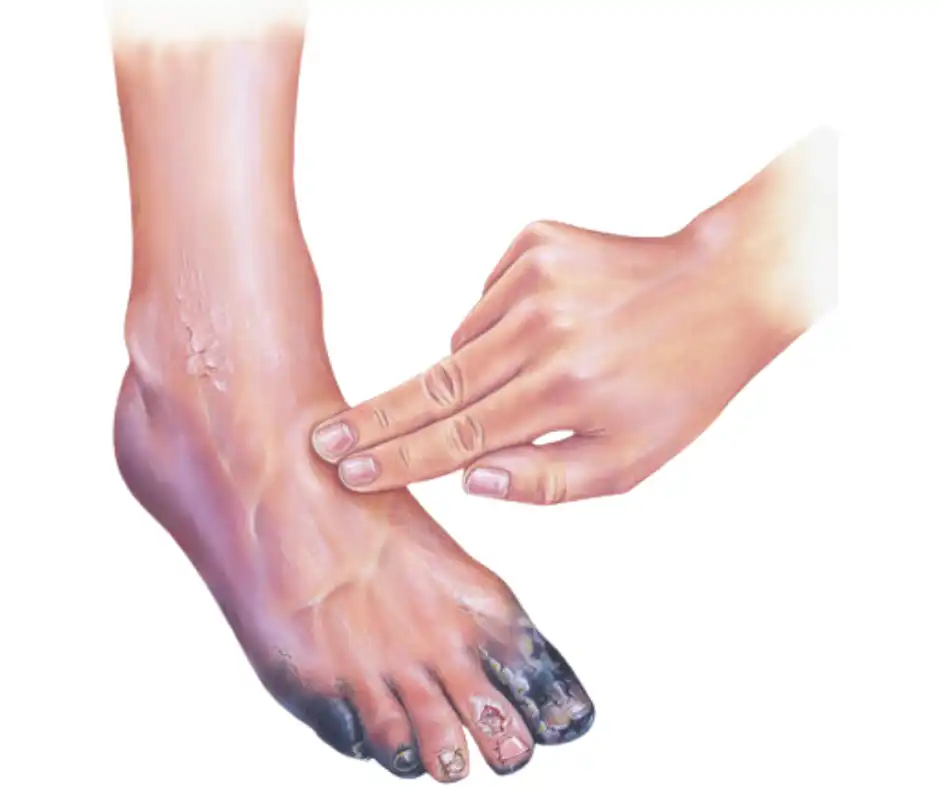
Numbness, coldness, and weakened pulse in affected limb.
Non-healing wounds, foot ulcers, and persistent skin infections.
Gangrene, blackening of toes, and exposed tendons in advanced CLI.
Severe blood flow restriction accelerates irreversible tissue breakdown rapidly.
CLI Treatment & Revascularization
Our focus is on multilevel disease management to restore inflow and outflow revascularization.
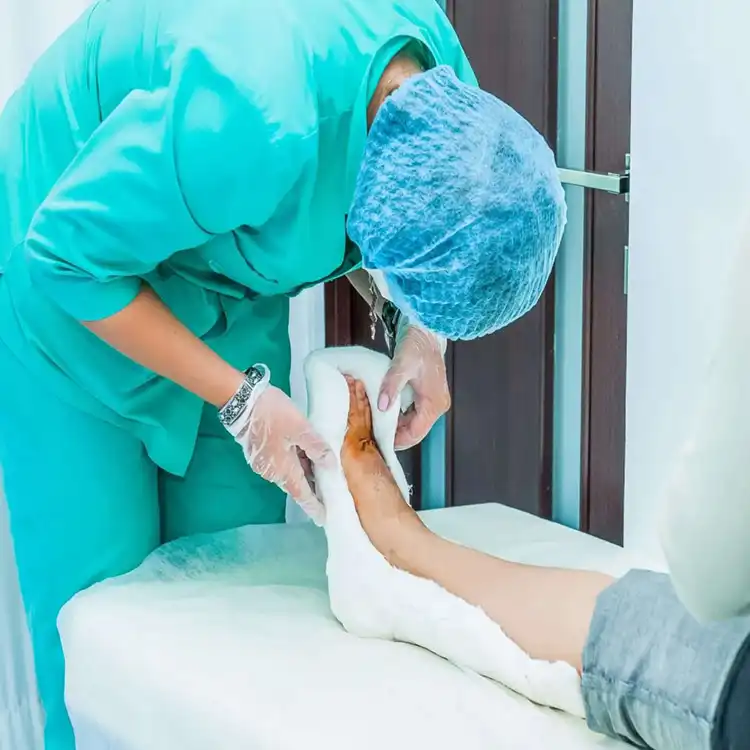
Limb Salvage Surgery
Treating complex lesions and infection to achieve 80% amputation avoidance through expert foot care.
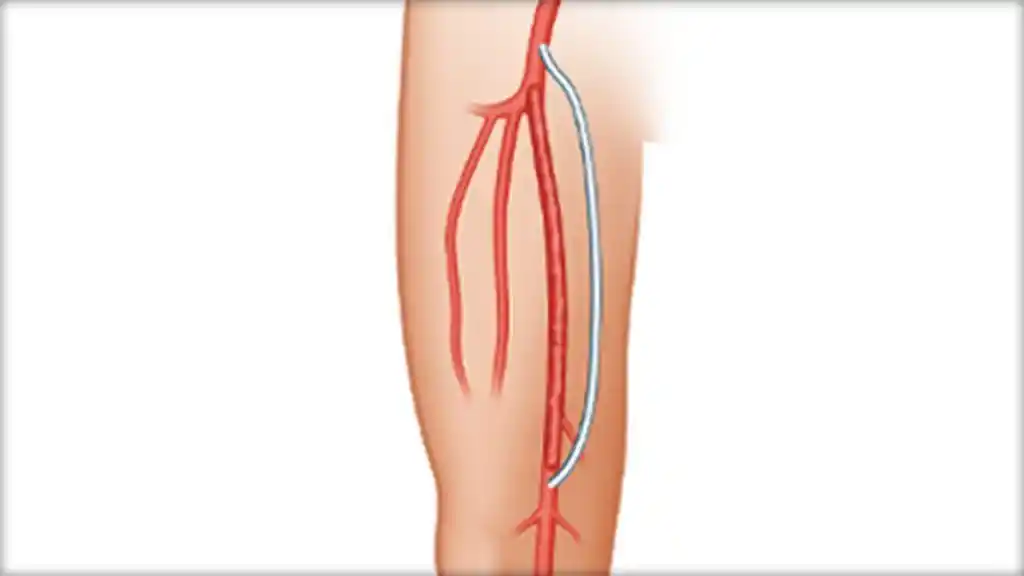
Distal Bypass Surgery
Using autogenous saphenous veins to overcome long or heavily calcified arterial blockages.
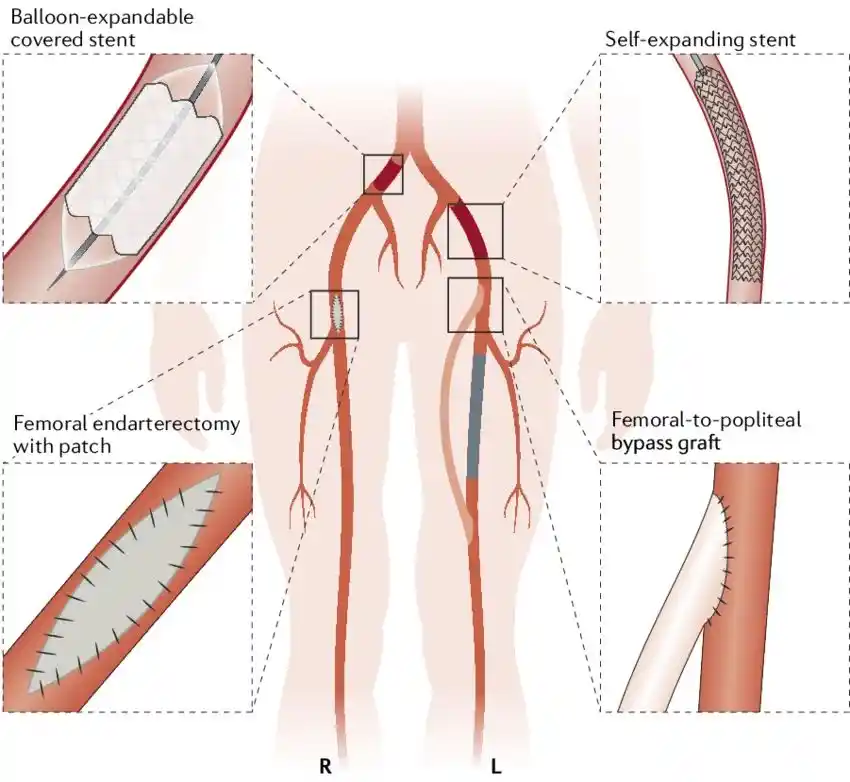
Hybrid Revascularization
Combining iliac stenting with femoral endarterectomy to reduce operative risk in multilevel disease.
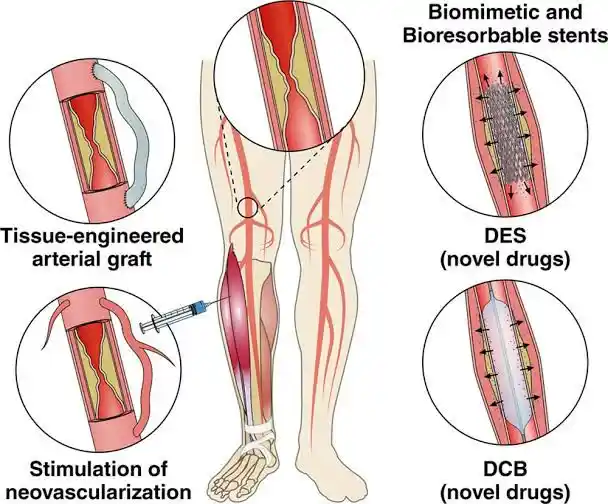
Foot Revascularization
Tibial revascularization using balloon angioplasty and stenting via the groin or wrist.
Recovery & Rehabilitation
Post-thrombectomy rehabilitation within the 5 to 10 days hospital stay focuses on sensation monitoring of the extremity, ROM exercises, and ambulation. Prophylactic anticoagulants paired with antiembolism stockings actively prevent deep-vein thrombosis, pulmonary embolism, and blood clots throughout post-operative care.
Physical therapy and occupational therapy work together to strengthen muscles, restore mobility, and rebuild daily living skills. Broad-spectrum antibiotics within 48 hours control infection and bleeding risks, while full recovery following PCI, angioplasty, or CABG typically spans 6 to 12 weeks to several months.
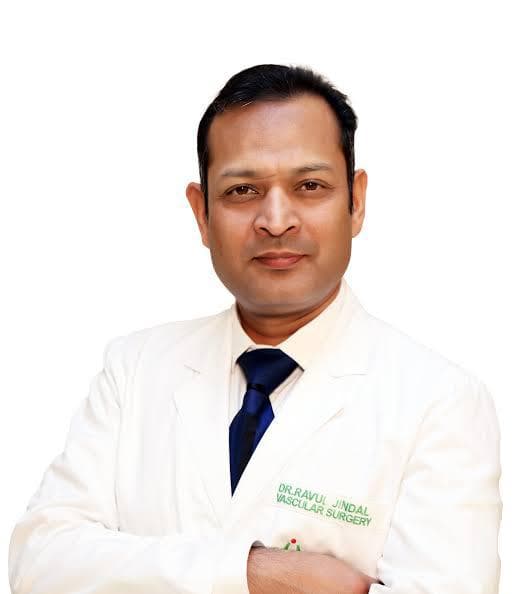
Meet Dr. Ravul Jindal - Critical Limb Ischemia Specialist in Mohali
Dr. Ravul Jindal is a dedicated CLI specialist at Fortis Hospital Mohali, with 30 plus years of experience treating critical limb ischemia across North India and Punjab.
- Treats CLI aggressively with surgical precision and personal commitment.
- Expert in complex limb salvage and high-stakes peripheral interventions.
- Performs advanced procedures rarely attempted by surgeons across Punjab.
- Combines diagnostic accuracy with cutting-edge endovascular techniques.
- Earned reputation as Mohali's most trusted CLI specialist through thousands of limb-saving decisions.
His patient-first approach combines urgency, anatomy, and precision - delivering expert CLI care in Mohali where delayed diagnosis risks limb loss and surgical accuracy saves lives.
4000+
Successful Surgeries
30 plus
Years Exp.
Frequently Asked Questions About CLI Treatment
From diagnosis to recovery, these expert answers address the most critical questions patients ask about CLI treatment options and outcomes.
What Is Critical Limb Ischemia (CLI)?
What Are the Symptoms of CLI?
Can CLI Be Treated Without Surgery?
Is CLI Treatment Available in Mohali?
What Is Diabetic Foot Ulcer and How Is It Related to CLI?
What Is the Recovery Time After Bypass Surgery?
Expert Vascular Care for Better Recovery
Get a specialist review forcritical limb ischemia treatment in mohali with personalised guidance and treatment planning.