Advanced Wound Debridement Treatment in Mohali
Non-healing wounds are far more dangerous than they appear. When a wound fails to close naturally, dead tissue and bacterial infection accumulate beneath the surface, silently destroying healthy tissue. Patient factors such as diabetes, low immunity, and vascular insufficiency make this process worse, causing wound healing to remain dangerously delayed without medical intervention.
Dead tissue harbours bacteria that thrive rapidly, spreading infection deep into surrounding tissue. Without removing this nonviable material, wound borders cannot approximate, making absolute closure impossible. Timely wound debridement treatment in Mohali at Fortis Hospital, led by specialists including Dr. Ravul Jindal, ensures effective removal of necrotic tissue and restores the body's natural healing process safely.
95%
Clinical Success Rate
What is Wound Debridement?
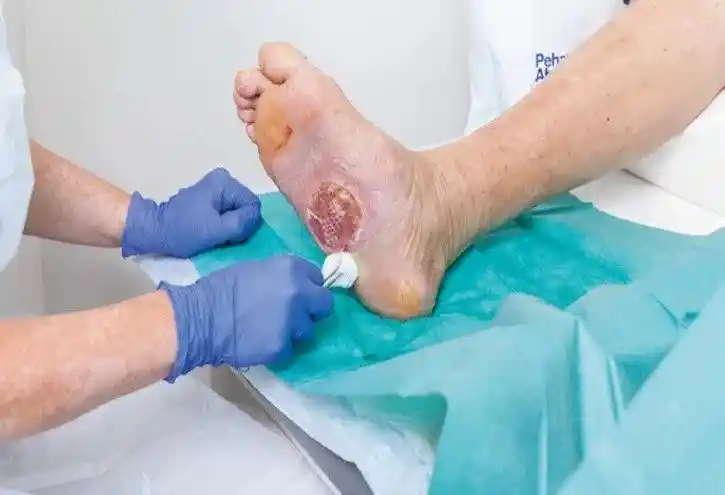
Wound debridement is a clinical procedure involving the removal of dead tissue, slough, foreign material, and infected matter from an open wound. When obstructing layers of nonviable tissue prevent healing, debriding the wound clears the path for healthy tissue regeneration.
Wound debridement in Mohali follows globally accepted protocols, ensuring healthy tissue is fully preserved while all necrotic material is precisely removed. The result is a clean wound environment where new tissue forms, blood circulation improves at the wound edges, and the healing process resumes without obstruction.
Why Wound Debridement is Needed
Several serious conditions make debridement necessary to prevent the following risks:
Infection Spread: Dead tissue harbours bacteria, allowing infections to spread to healthy tissue.
Poor Circulation: Necrotic tissue blocks essential nutrients and oxygen from reaching the wound.
Delayed Healing: Nonviable tissue prevents wound borders from closing effectively.
Risk of Gangrene: Accumulated dead tissues create an environment where gangrene thrives.
Amputation Risk: Especially in diabetic patients, delayed debridement significantly increases limb loss risk.
Our Step-by-Step Wound Debridement Approach
Dr. Ravul Jindal and his team deliver wound debridement treatment in Mohali through a structured, patient-centred, and highly effective care process.
Step 1 - Pre-Procedure Evaluation
Doctors review the patient's complete medical history, existing conditions such as heart conditions, blood clots, and diabetes, and current medications including blood thinners, aspirin, and NSAIDs. Blood tests, culture tests for bacteria, and ultrasound imaging assess wound severity accurately.
Step 2 - The Debridement Procedure
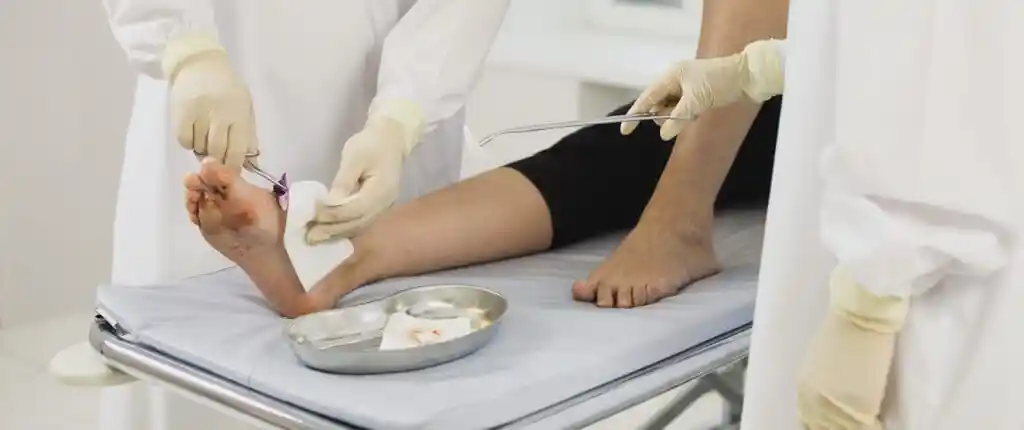
The most suitable debridement method is selected based on wound assessment. Nonviable tissue is removed precisely, followed by thorough wound cleaning and sterilisation.
Step 3 - Post-Procedure Care
Appropriate dressings are applied to maintain a moist wound environment. Regular follow-up appointments monitor healing progress, and patients receive detailed guidance on nutrition and wound care to expedite recovery.
Conditions Treated with Wound Debridement
Dr. Ravul Jindal utilizes advanced debridement techniques to treat a variety of complex vascular and chronic wound conditions:
Diabetic Foot Ulcers
Aggressive diabetic wound treatment Mohali focuses on early debridement to prevent amputation in high-risk patients.
Pressure Sores
Chronic wounds in immobile patients accumulate dead tissue rapidly and require regular debriding.
Burn Wounds
Burn eschar must be removed through debridement to allow healthy skin regeneration.
Infected Open Wounds
New and old wounds showing pus, infection, or deterioration need immediate wound cleaning and debridement.
Chronic Ulcers
Long-standing non-healing wounds require debridement to restart the healing process.
Advanced Interventions for Non-Healing Ulcers
When conservative management fails to promote healing, advanced interventions become necessary. These specialized procedures address underlying vascular compromise and severe tissue damage based on detailed vascularity assessment.
Revascularization Procedures
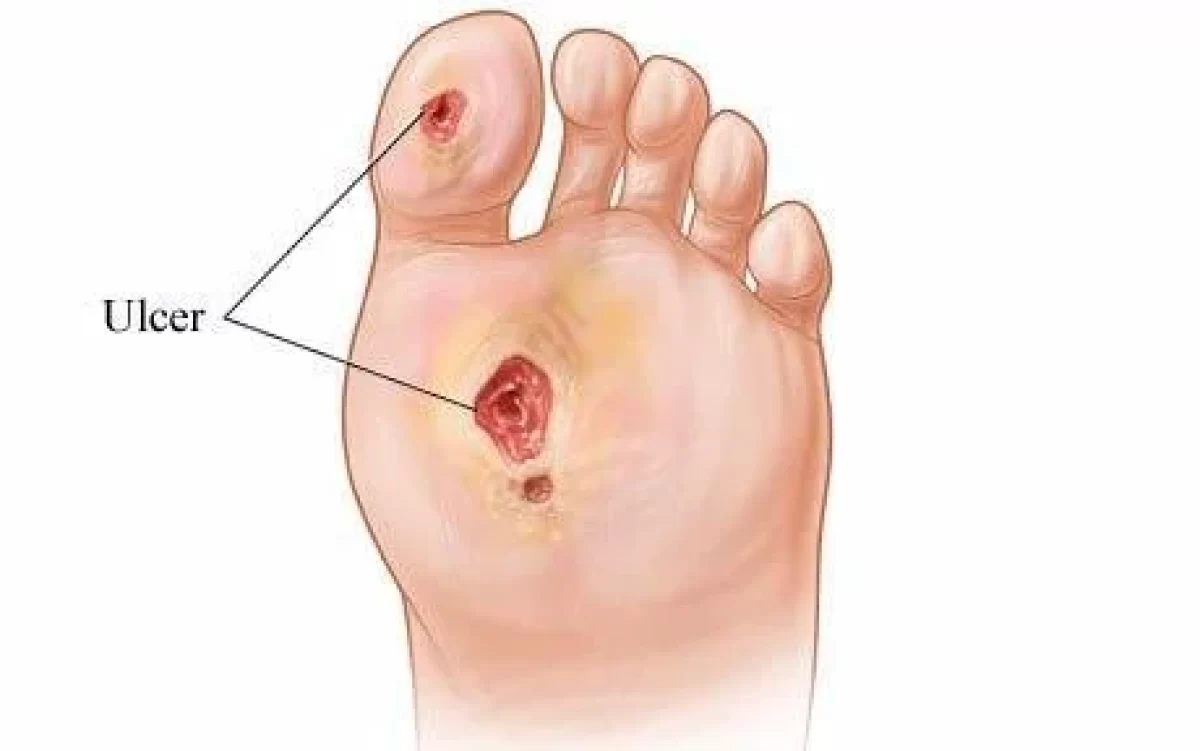
Surgical or endovascular interventions restore blood flow to ischemic limbs. These procedures include bypass grafting, angioplasty, and stenting to improve tissue perfusion and ulcer healing.
Amputations
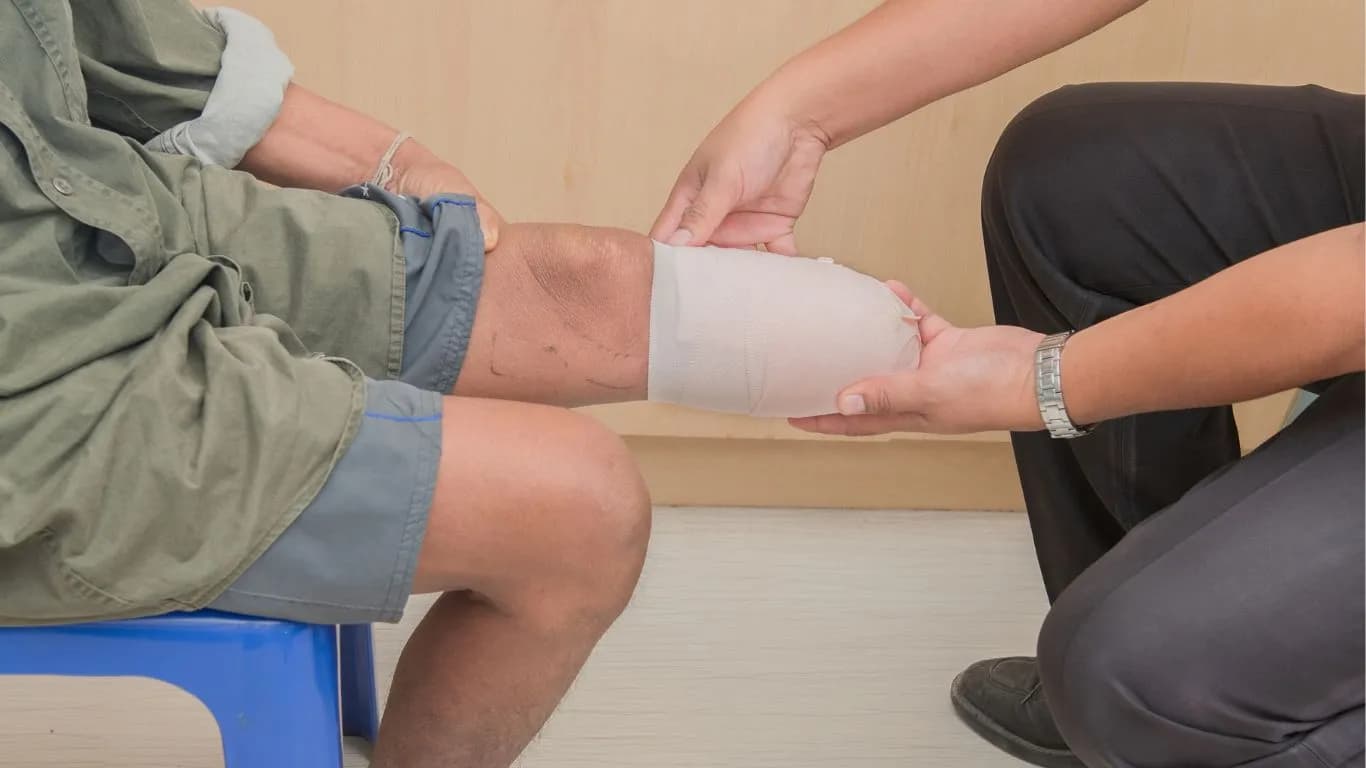
Amputation is considered when ulcers are non-salvageable due to severe infection, irreversible ischemia, or extensive necrosis. This procedure prevents systemic complications and improves overall patient outcomes.
Risks & Complications
At Fortis Hospital, every patient's medical history is thoroughly evaluated before proceeding, ensuring risks are proactively minimised while maintaining the highest standards of clinical safety.
Procedural Safety
Wound debridement is a safe procedure when performed under stringent infection control protocols. However, patients should be aware of possible complications including infection, bleeding, haemorrhage in rare cases, delayed healing due to patient factors such as diabetes or low immunity, and scarring at the wound site.
Clinical Proactive Care
At Fortis Hospital, every patient's medical history is thoroughly evaluated before proceeding, ensuring risks are proactively minimised. Our multidisciplinary approach ensures that underlying conditions are managed in tandem with wound care to optimize healing outcomes.
Expert Care by Dr. Ravul Jindal in Mohali
Dr. Ravul Jindal is one of India's most trusted vascular and wound care specialists, bringing 30+ years of clinical excellence and internationally recognised surgical expertise to every patient.
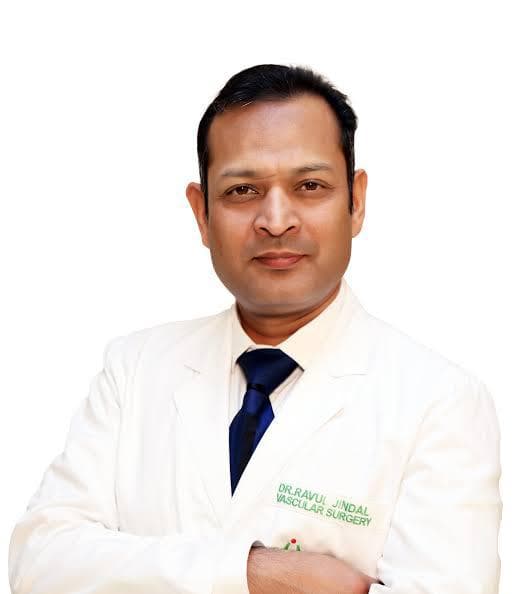
"In-hospital appointments with Dr. Ravul Jindal are available at Fortis Hospital Mohali for comprehensive, world-class wound care."
Expertise
Clinical Excellence
30+ years of dedicated vascular surgery and wound care experience.
Global Training
International training at Imperial College London, St Mary's Hospital.
Hospital Leadership
16+ years as Director & HOD, Fortis Hospital Mohali.
Clinical Specialty
Specialist in diabetic wounds, foot ulcers, and complex vascular conditions.
Standard of Care
Globally accepted treatment protocols tailored to every individual patient.
Frequently Asked Questions - Wound Debridement Treatment in Mohali
1. What is wound debridement and when is it needed?
2. Is wound debridement a painful procedure?
3. How long does recovery take after wound debridement?
4. How many sessions of debridement are required?
5. Is wound debridement safe for diabetic patients?
6. Does wound debridement require a hospital stay?
7. What is the cost of wound debridement treatment in Mohali?
8. What makes Dr. Ravul Jindal the right choice for wound debridement?
Book Your Wound Care Consultation Today
Don't let a non-healing wound lead to serious complications. Get expert debridement and advanced wound care from Dr. Ravul Jindal at Fortis Hospital Mohali.