Varicose Veins Treatment in Mohali, Chandigarh
Most people assume pain-free legs are simply a matter of exercise but in clinical practice, bulging veins quietly signal a deeper circulatory failure long before discomfort appears. Skilled interventional radiologists using cutting-edge technology now detect these patterns earlier than ever, changing outcomes dramatically for patients across Mohali and Chandigarh.
"Dr. Ravul Jindal, recognized among the most experienced vascular surgeons, brings together expertise in both non-surgical and surgical approaches from sclerotherapy to endovenous laser ablation, ensuring that painful and twisted veins are addressed through the most appropriate, advanced method for each individual case without unnecessary intervention."
What Are Varicose Veins?
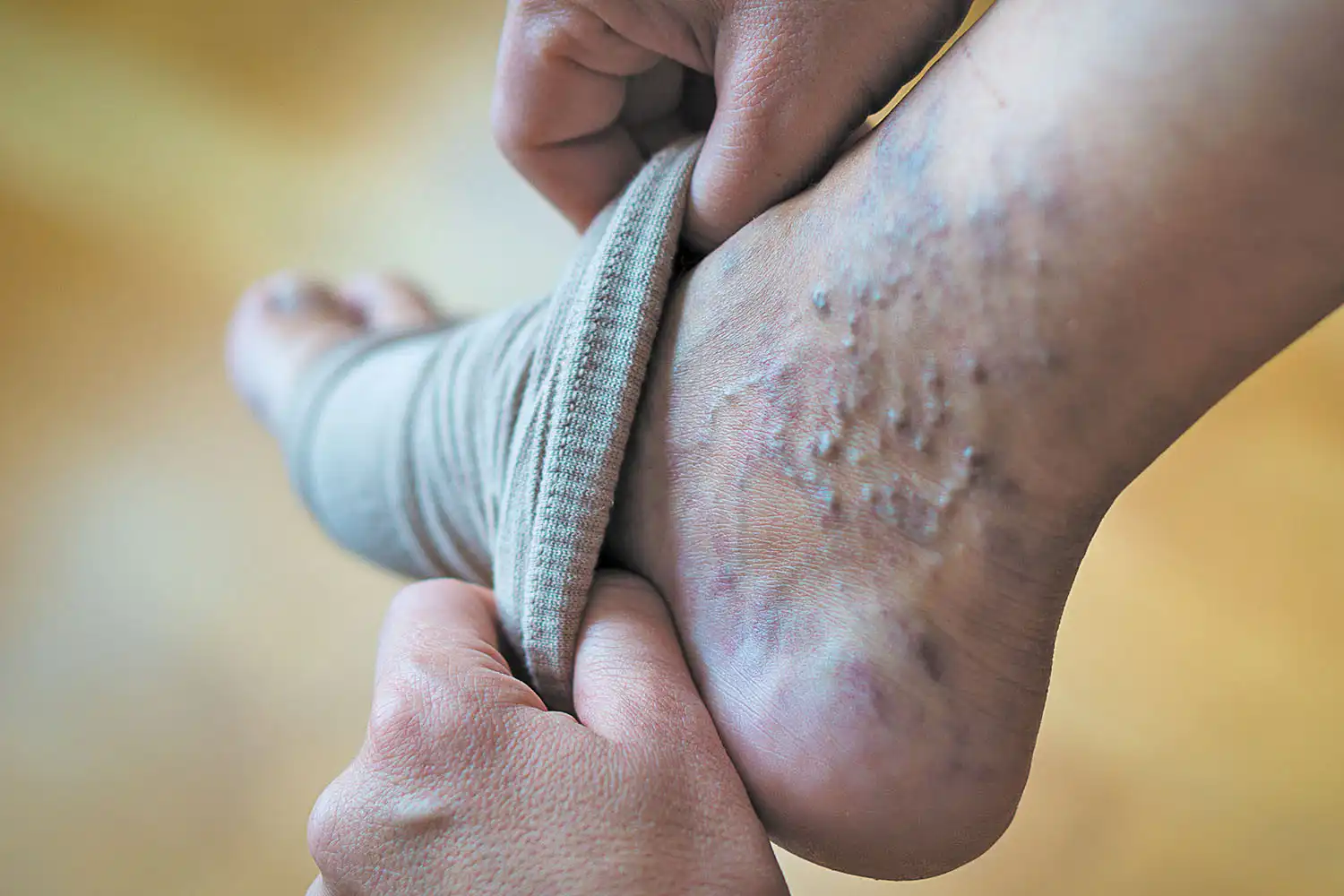
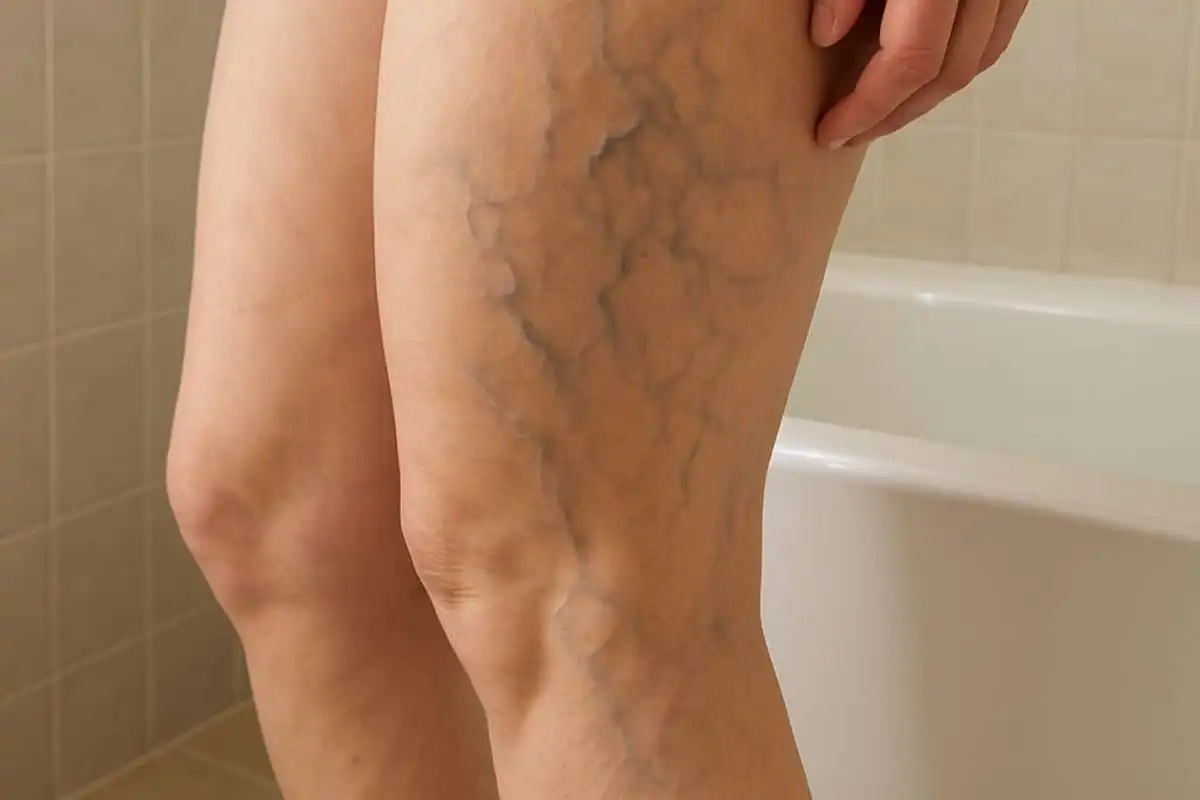
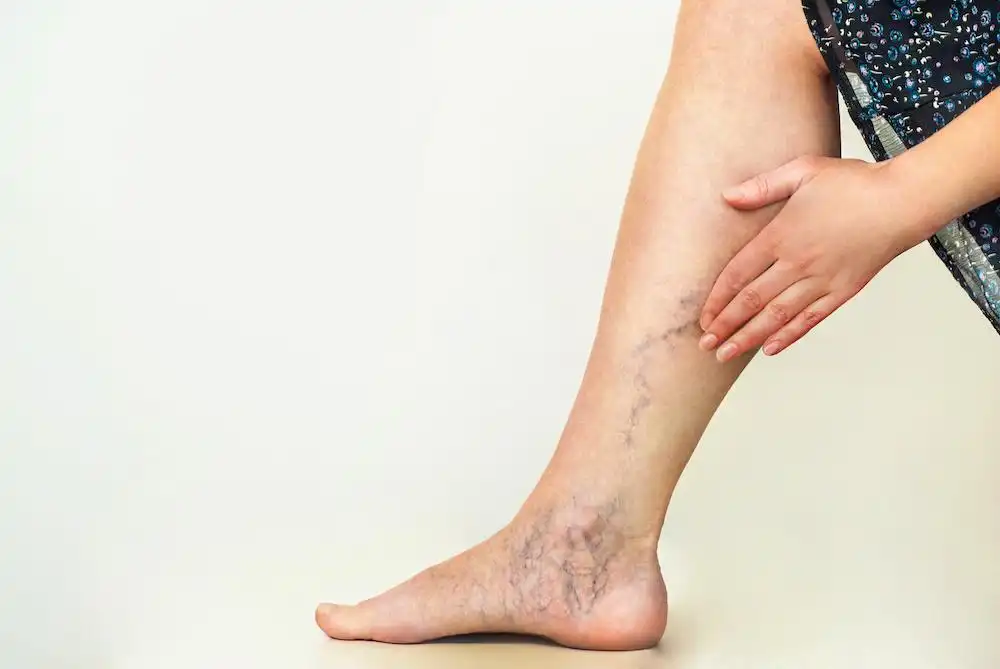
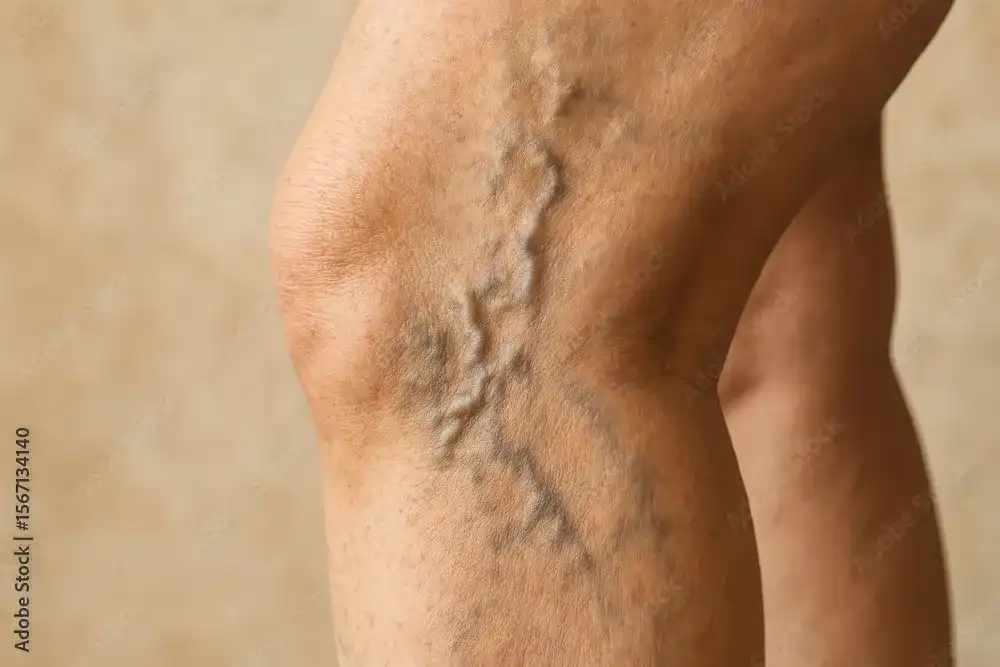
Most people associate varicose veins purely with a cosmetic concern, yet that perspective misses the deeper issue. These enlarged veins, visible at the surface of the skin, develop when one-way valves fail, triggering backward flow and causing blood pool formation in the legs.
Genetics predisposition, age, and gender play roles that patients rarely question. Twice as many women develop varicosities compared to men, largely due to pregnancy and hormonal shifts. Prolonged standing, prolonged sitting, and lack of exercise quietly accelerate valve breakdown, allowing stagnating blood flow to worsen progressively.
Obesity, tightly fit clothes, and sitting for long hours create underestimated pressure on tissues. When big or small valves stop working, blood collects inside veins, causing them to swell. Beyond spider veins, severity escalates when the body's heart-driven oxygen delivery cycle is persistently compromised.
Symptoms of Varicose Veins
Recognizing early symptoms of varicose veins helps prevent serious complications. Timely diagnosis ensures effective treatment and lasting relief.
Heaviness and throbbing sensation in legs
Burning near veins and persistent discomfort
Cramping muscles especially during nighttime hours
Itching around the visibly affected vein areas
Tired legs that feel drained without exertion
Heavy limbs worsening progressively throughout the day
Treatment for Varicose Veins
Finding the right treatment starts with understanding what each option actually does. Modern varicose veins care relies on minimally invasive approaches, no big cuts, no stitches, minimal downtime, and no hospital stay required.
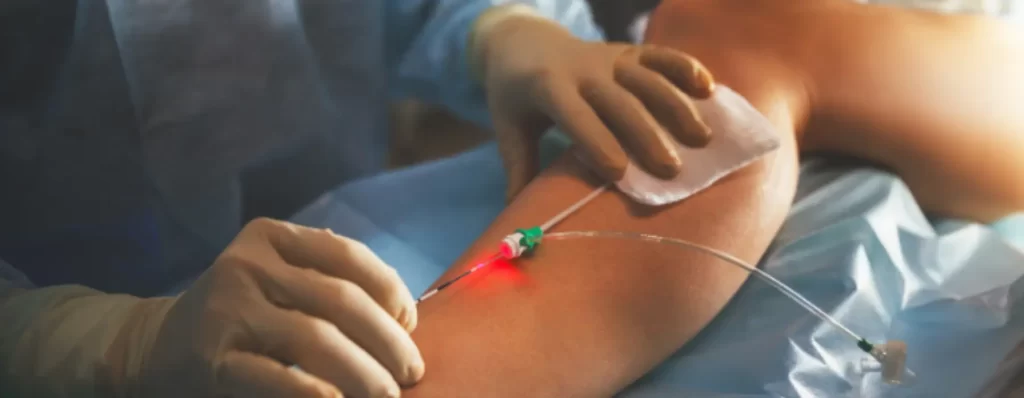
Simple Laser Treatment (EVLT)
Endovenous laser treatment targets larger leg veins from within. A small needle guides a thin catheter delivering laser energy that seals them permanently shut.
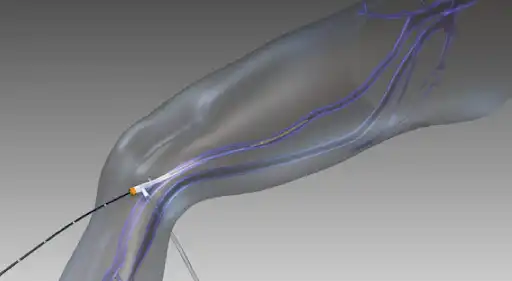
Radiofrequency Ablation (RFA)
It uses controlled radio waves to heat vein walls and close damaged veins without traditional surgery. Experience less bruising and fast recovery.
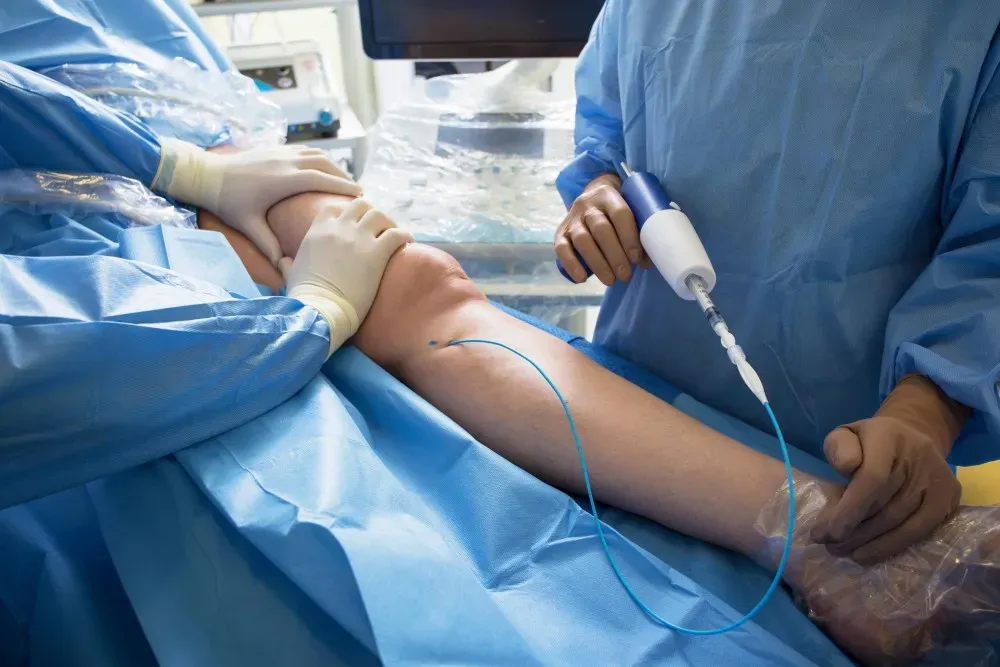
Glue Therapy (VenaSeal)
It uses medical adhesive seals vein walls without heat or anesthesia. Suits patients seeking immediate mobility post-procedure with minimal risks.
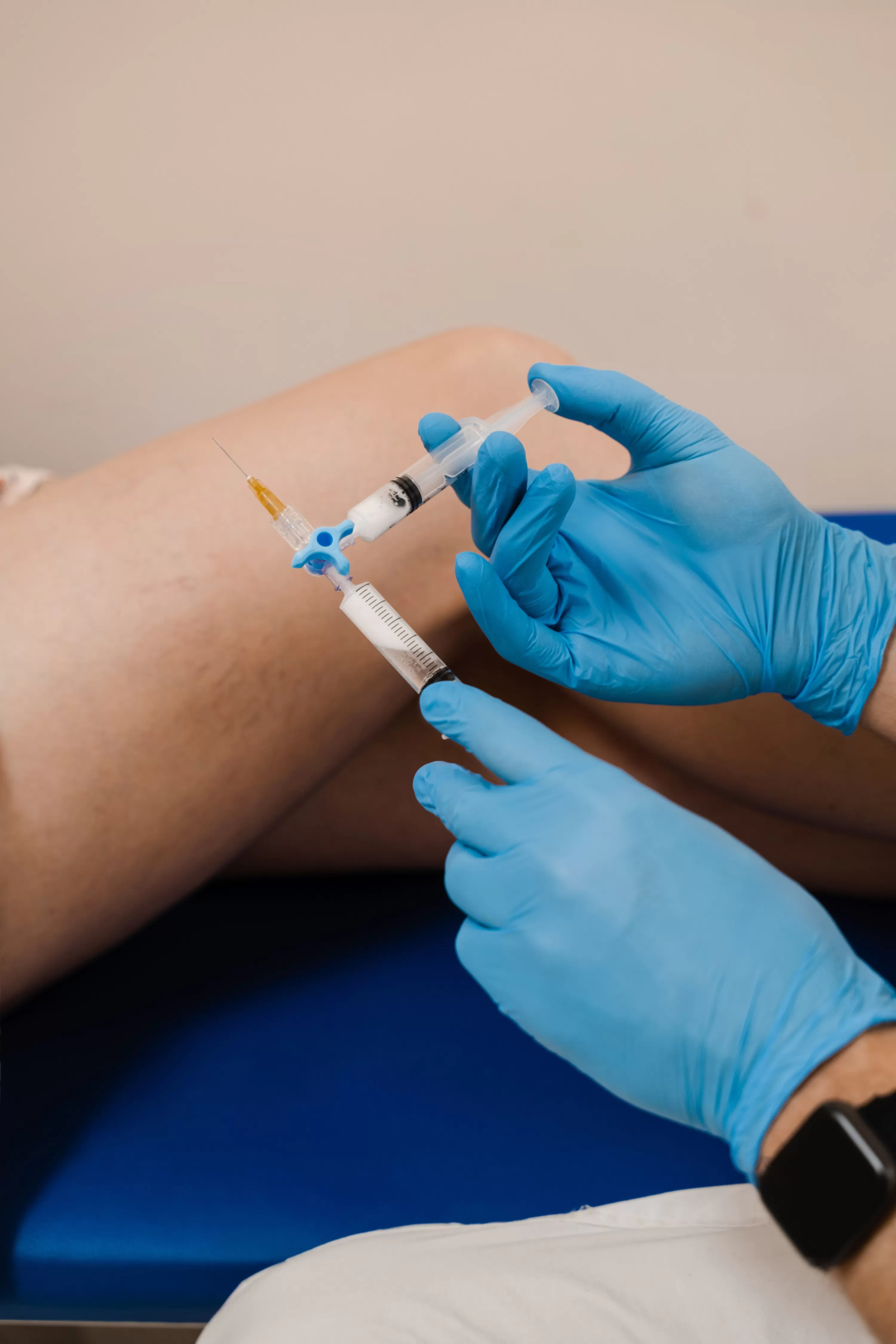
Foam Sclerotherapy
It is a chemical ablation method targeting small veins and spider veins. The injected foam irritates the vein lining until it collapses and fades.
How to Prevent Varicose Veins
Many people overlook that avoiding standing for long periods matters more than any remedy. Prolonged standing strains vein walls significantly. Prioritizing blood circulation through regular movement is something Dr. Jindal consistently recommends to every patient during consultations.
Maintaining a healthy body weight reduces unnecessary vascular pressure. Quitting smoking improves vessel elasticity remarkably fast. Wearing compression stockings daily, even before visible symptoms appear, provides measurable protective benefits.
The Golden Rule
Elevating legs briefly after long workdays actively supports venous return. A genuinely healthy lifestyle combining moderate exercise with mindful posture corrections remains the most underrated prevention strategy.
What Is Varicose Vein Ablation?
Varicose vein ablation is a simple, modern treatment designed to close damaged veins using heat. Through radiofrequency ablation (RFA), radio waves generate controlled heat to seal vein walls from the inside.
Laser ablation (EVLT) uses focused laser energy to seal vein tissue effectively. Performed via a small needle with no big cuts, no stitches, and no hospital stay, this procedure offers lasting relief.
How the Treatment Works
This minimally invasive procedure is designed for maximum efficiency and patient comfort, utilizing advanced technology to treat vein issues without the need for traditional surgery.
Procedure Duration
Approx. 30 - 45 Minutes
Before treatment begins, a quick check-up and ultrasound scan helps the specialist clearly map the affected veins for precise targeting.
A thin tube or catheter is gently inserted through a tiny hole in the skin near the vein.
Heating vein tissue using radio waves or laser energy effectively seals shut the damaged vein from inside.
The full procedure takes just 30 minutes to 45 minutes - less than an hour in total.
Engage only in light, minimal physical activity post-surgery.
Wearing compression stockings consistently for a few weeks supports smooth healing and better results.
Benefits of Vein Ablation
Patients dealing with chronic pain and swelling in the lower limbs rarely anticipate how profoundly fast recovery reshapes their daily confidence. Unlike conventional procedures, vein ablation demands no surgery, making it a medically sound, patient-preferred choice delivering long-term relief.
Most patients are back home the same day, walking within the hour, and Rest completely to allow your body to fully heal. There are no stitches, no hospital bed, and no long recovery period - which is often the biggest relief for people who've been putting off treatment for years.
Recovery After Varicose Veins Treatment
Walk normally and resume light daily activity right after the procedure — extended bed rest isn't necessary.
Avoid strenuous exercise, heavy lifting, or prolonged standing for about one to two weeks.
Keep the treated area clean and dry to prevent infection.
Elevate legs periodically, especially when sitting for long stretches, to support healthy blood flow.
Wear compression stockings consistently for one to two weeks, as advised.
Eat fiber-rich foods to support healthy bowel function during recovery.
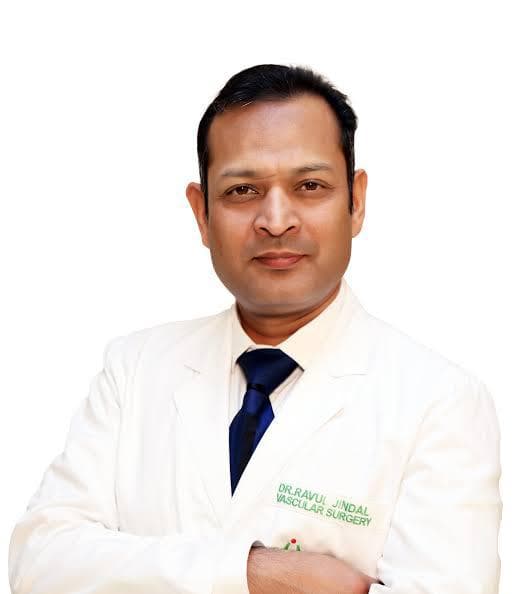
Professional Recognition
Meet Dr Ravul Jindal - Vascular Surgeon, Fortis Hospital Mohali
Director & HOD of Vascular & Endovascular Surgery, Fortis Hospital Mohali (25+ years)
Dr. Ravul Jindal is a highly experienced vascular surgeon with 30+ years in practice, including over three years at St. Mary’s Hospital, London (Imperial College). He has performed 4,000+ varicose vein procedures and leads international research on blood-thinning treatments, ensuring advanced, evidence-based care in India.
4,000+
Varicose vein procedures
20+
International publications
FRCS
Fellowship, London UK
Frequently Asked Questions (FAQs)
Got questions about varicose veins treatment in Mohali ? Find clear, expert-backed answers from Dr Ravul Jindal to help you make confident decisions about your vein health.
What Causes Varicose Veins?
Which Doctor to Consult for Varicose Veins?
What Is the Success Rate of Laser Treatment for Varicose Veins ?
How to Treat Varicose Veins?
Are Varicose Veins Dangerous?
How to Get Rid of Varicose Veins?
Who Are the Top Doctors for Varicose Veins Treatment in Mohali?
Is Varicocelectomy a Permanent Solution for Varicose Veins?
Expert Vascular Care for Better Recovery
Get a specialist review forvaricose veins treatment in mohali, chandigarh with personalised guidance and treatment planning.