Mechanical Thrombectomy in Mohali – Advanced Clot Removal by Dr. Ravul Jindal
Mechanical Thrombectomy uses advanced catheter-based devices to physically remove blood clots from blocked arteries, restoring normal blood flow within minutes. At Fortis Hospital Mohali, USFDA-approved clot retrieval devices and rapid-response cath labs ensure a 70–80% success rate with life-saving outcomes.
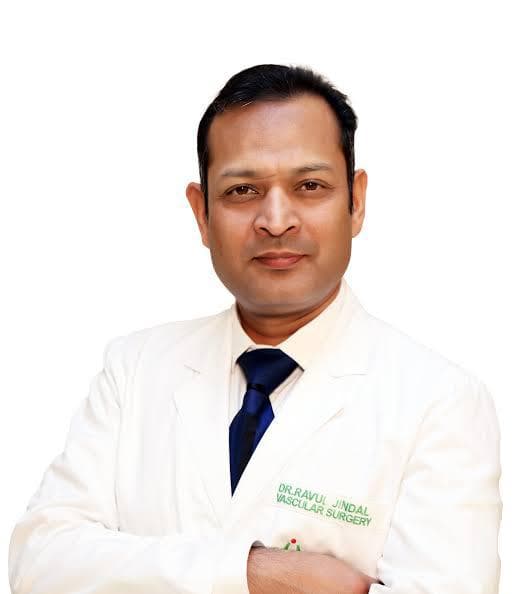
Dr. Ravul Jindal—Director and HOD of Vascular Surgery with 30+ years of experience—delivers personalized, world-class emergency vascular care to every critical patient.
95%
Clinical Success Rate
What is Mechanical Thrombectomy?
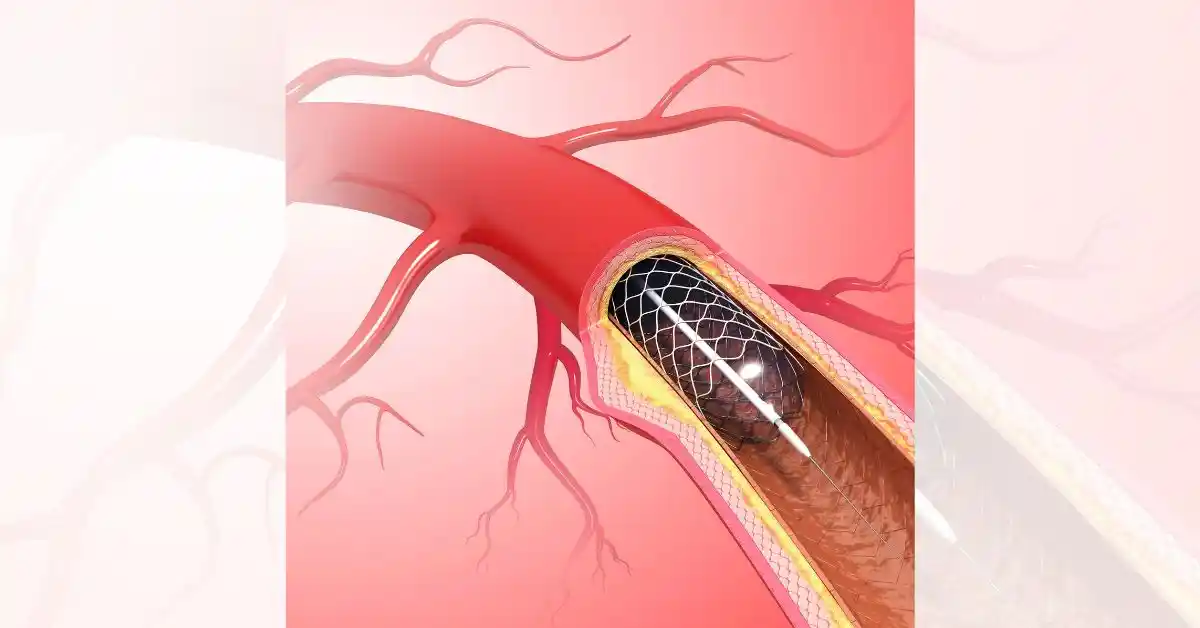
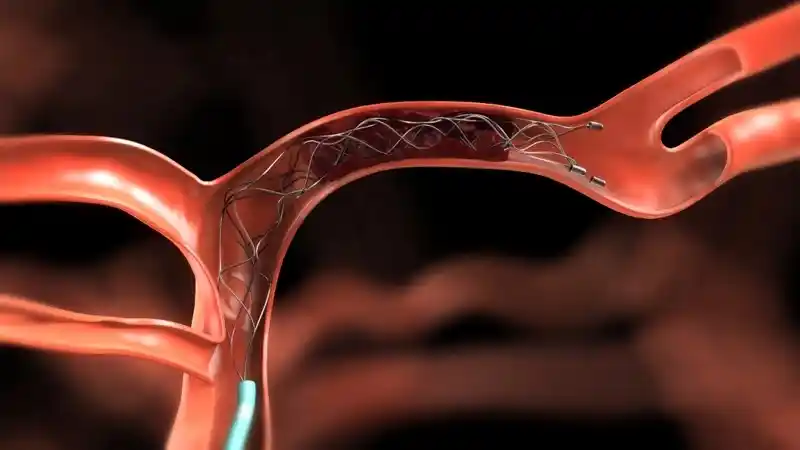
Mechanical Thrombectomy is a revolutionary advancement in minimally invasive emergency vascular care. This procedure uses specialised catheter-based devices—including stent retrievers and aspiration systems—to physically capture and remove a thrombus from a blocked artery or vein. Once the clot is removed, normal blood flow is immediately restored to the affected brain, limb, or organ.
Unlike thrombolytic therapy alone, Mechanical Thrombectomy directly extracts the obstruction rather than waiting for it to dissolve, making it far more effective for large vessel occlusions. Performed in a dedicated cath lab under real-time angiography, this 1 to 3-hour procedure is one of the fastest and most impactful life-saving interventions in modern medicine.
Symptoms That May Require Mechanical Thrombectomy
Recognising warning signs early is critical. Seek emergency care immediately if you notice:
Sudden weakness, numbness, or paralysis on one side (Acute Ischemic Stroke)
Sudden confusion, slurred speech, or loss of vision
Severe leg pain, swelling, or redness (Deep Vein Thrombosis)
Cold, pale, or mottled limb suggesting Acute Limb Ischemia
Chest pain, rapid heartbeat, or difficulty breathing (Pulmonary Embolism)
Sudden loss of limb function or movement
How the Mechanical Thrombectomy Procedure Works
At Fortis Hospital Mohali, the procedure follows a precise, step-by-step approach in a fully equipped cath lab:
Step 1: Anesthesia
Local or general anesthesia is administered to ensure patient comfort and safety.
Step 2: Imaging Confirmation
CT scan, MRI, or CT Angiography is used to confirm clot location and plan the catheter path.
Step 3: Access
A small incision at the groin or wrist allows a thin, flexible catheter to enter the blood vessel.
Step 4: Navigation
Advanced angiography guides the catheter precisely to the exact site of the obstruction.
Step 5: Clot Removal
A stent retriever traps the thrombus or aspiration applies suction for immediate extraction.
Step 6: Flow Restoration
Post-removal imaging confirms successful restoration of blood flow to the brain or limb.
Step 7: Closure & Monitoring
The catheter is withdrawn, the site closed, and the patient is moved to ICU for monitoring.
Benefits and Advantages of Mechanical Thrombectomy
Mechanical Thrombectomy stands apart from other clot removal approaches due to its unique, patient-friendly advantages — providing immediate restoration of blood flow through advanced interventional techniques.
Minimally invasive - no major open surgery, no large incisions, no stitches required
Immediate clot removal delivering rapid restoration of blood flow to brain, limbs, and organs
Faster recovery - most patients are mobilised within 24 to 48 hours post-procedure
No requirement for prolonged thrombolytic therapy or repeated clot-busting medicines
Precision image-guided procedure ensuring targeted clot removal with minimal vessel trauma
Prevents irreversible tissue death, long-term disability, and limb loss
Reduces mortality and serious long-term complications compared to medication alone
Clinical Success
95%+
Reported Clinical Success
Insurance Support
EMI Options Available
Life-saving in emergency stroke, massive pulmonary embolism, and critical limb ischemia.
Post-Procedure Care and Recovery
Post-procedural care is structured to ensure long-term success:
Initial ICU monitoring for stroke and complex vascular cases.
Early mobilisation and walking to prevent new clots.
Prescription of anticoagulants and blood thinners.
Physical and occupational therapy for restoring strength and daily skills.
Follow-up imaging (CT scan or Doppler) to confirm sustained blood flow.
Lifestyle modifications including heart-healthy diet and smoking cessation.
Conditions Treated with Mechanical Thrombectomy
Dr. Ravul Jindal treats a comprehensive range of life-threatening conditions:
Deep Vein Thrombosis (DVT)
Removes clots in deep veins to prevent fatal pulmonary embolism or post-thrombotic syndrome.
Peripheral Artery Disease (PAD)
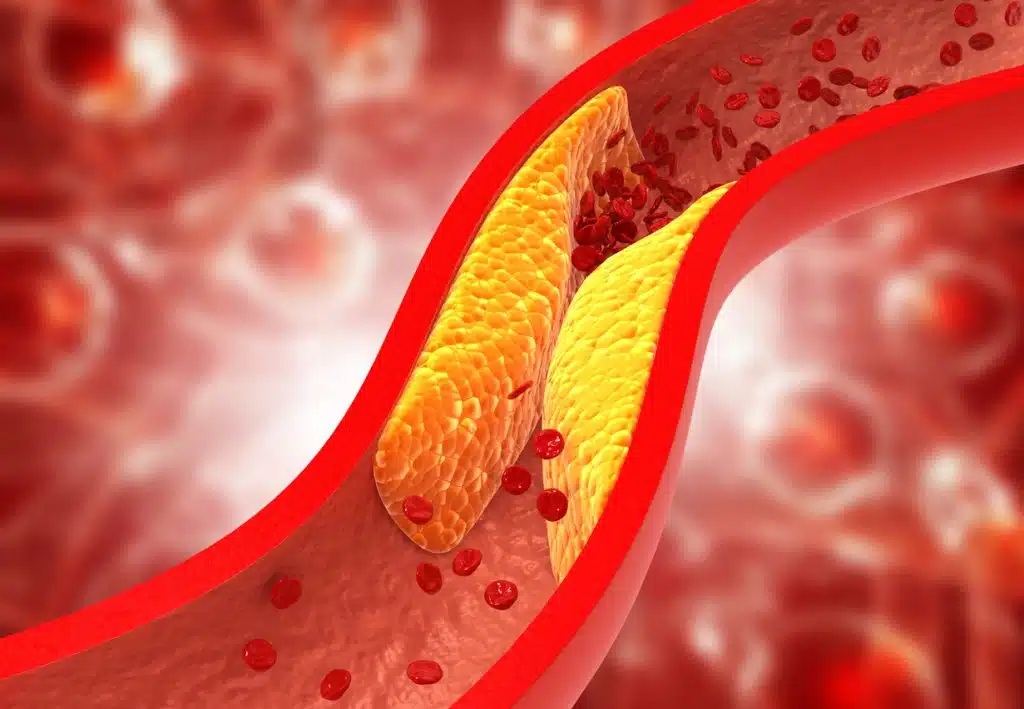
Urgent thrombectomy to restore blood flow and preserve limb viability in PAD patients.
Why Choose Dr. Ravul Jindal for Mechanical Thrombectomy in Mohali?
With 30+ years of vascular surgery expertise and international training, Dr. Ravul Jindal delivers world-class Mechanical Thrombectomy in Mohali with unmatched precision and patient-centred care.
"Trusted across North India for safe, precise mechanical thrombectomy and advanced emergency vascular disease management at Fortis Hospital, Mohali."
Expertise
Vascular Leadership
30+ Years of Vascular Surgery Experience and 16+ Years as Director & HOD at Fortis.
Global Training
International Training in Endovascular and Interventional Techniques.
Proven Success
70-80% Success Rate in Acute Ischemic Stroke with Large Vessel Occlusion.
Emergency Response
24x7 Neuro-interventional Treatment with Rapid-Response Cath Labs.
Advanced Protocols
USFDA-Approved Retrieval Devices, CT Perfusions, and Stringent Safety Protocols.
Individualized Care
Personalised Care Tailored to Clot Size, Location, and Patient Health.
Frequently Asked Questions (FAQs)
1. What is Mechanical Thrombectomy used for?
2. Is Mechanical Thrombectomy Safe?
3. Who is the Best Doctor for Deep Vein Thrombosis in Mohali?
4. What is the recovery time?
5. Who is eligible for Mechanical Thrombectomy?
6. Is Mechanical Thrombectomy covered under insurance?
7. What happens if a blood clot is not removed in time?
8. Is hospitalisation required after Mechanical Thrombectomy?
24/7 Emergency Clot Removal in Mohali
Time is brain and tissue. If you or a loved one shows signs of a stroke or blood clot, contact Dr. Ravul Jindal at Fortis Hospital Mohali immediately for life-saving Mechanical Thrombectomy.