Advanced Carotid Artery Stenting Care in Mohali by Dr. Ravul Jindal
This procedure at Fortis Hospital, Mohali is led by Dr. Ravul Jindal, Director and HOD of Vascular Surgery with over 30 years of clinical experience - including advanced training at St Mary's Hospital, London, affiliated to Imperial College. He delivers evidence-based, minimally invasive care that restores blood flow to the brain and provides lasting stroke prevention.
Patients across Punjab and Chandigarh choose this procedure for precise plaque management via balloon catheter and stent placement. His interventional radiologist-guided carotid angioplasty effectively resolves carotid artery disease, carotid artery stenosis, and recurring transient ischemic attacks (TIAs) - backed by outcomes consistent with international high-volume vascular centre benchmarks.
95%
Clinical Success Rate
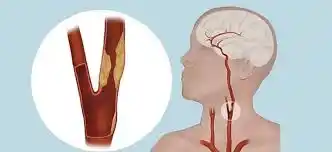
What is Carotid Artery Stenting?
Carotid artery stenting is a minimally invasive, image-guided endovascular procedure in which a balloon catheter opens a narrowed artery in the neck, restoring blood flow to the brain and significantly reducing stroke risk caused by dangerous stenosis and plaque accumulation.
Unlike traditional open surgery, carotid angioplasty with stent placement targets the carotid artery directly through a small catheter access point - addressing restricted blood flow that triggers transient ischemic attacks (TIAs) and minor strokes. According to ACC/AHA guidelines, this intervention is a Class I indication for symptomatic carotid stenosis >70% in patients at high surgical risk (Brott et al., 2011, NEJM).
Symptoms of Carotid Artery Disease - When to See a Specialist
Carotid artery disease often develops silently — but these warning symptoms signal dangerous blockage requiring urgent vascular assessment before a stroke occurs.
Sudden numbness or weakness on one side of the body
Difficulty speaking or understanding speech unexpectedly
Unexplained dizziness, loss of balance, or coordination
Temporary vision loss or blurring in one eye
Severe unexplained headache with no obvious cause
Transient ischemic attack — a brief stroke-like episode
How is Carotid Artery Stenting Performed?
This is a structured, three-phase process - preparation, intervention, and recovery - each demanding precision and personalised care to ensure the safest, most effective outcome for every patient.
Step 1 - Pre-Operative Evaluation
Your doctor conducts a thorough pre-operative evaluation, reviewing medical history, physical examination, blood pressure, and cholesterol. Imaging tests - ultrasound, CT angiography, or MR angiography - determine carotid artery blockage severity, confirming suitable surgical candidates and adjusting medications accordingly.
Step 2 - During the Procedure
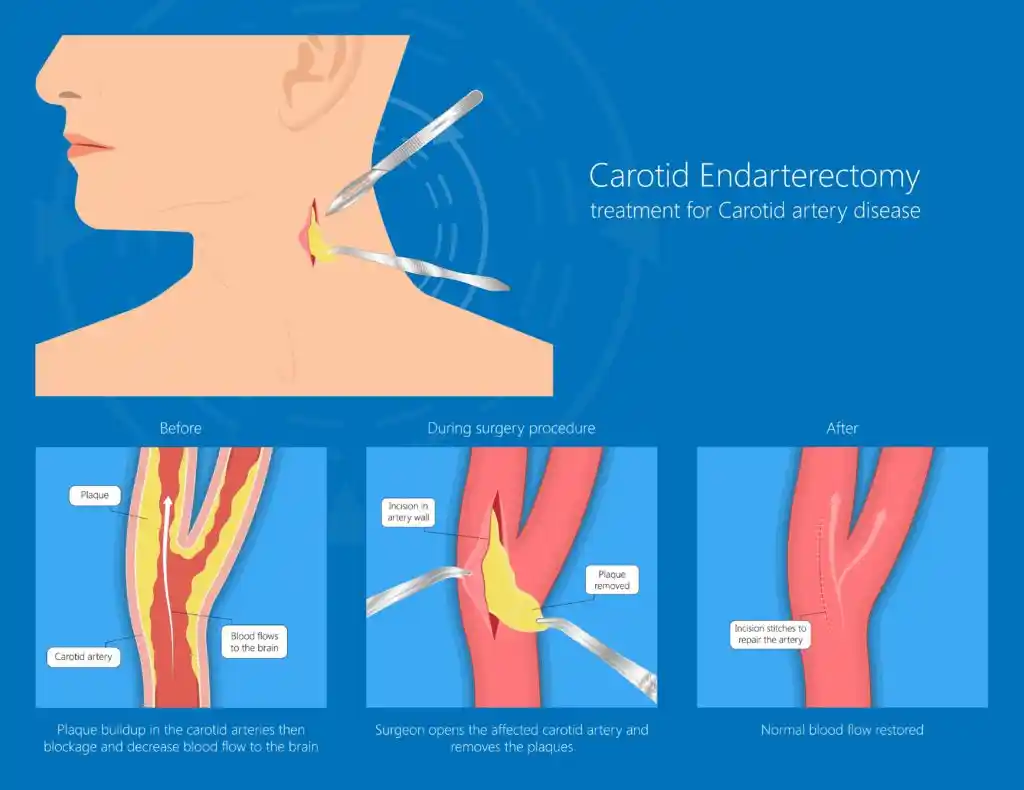
Under local anaesthesia, general anaesthesia, or sedation, a small incision near the neck accesses the blocked carotid artery. The surgeon uses a balloon catheter for carotid angioplasty, followed by stent placement - a minimally invasive, image-guided approach with blood flow restored precisely.
Step 3 - Post-Procedure Recovery
Recovery spans a few weeks, with follow-up visits monitoring blood flow to the brain and reducing stroke risk. Avoid strenuous activities, follow doctor's advice, and report severe headache, dizziness, weakness, numbness, fever, chills, incision site swelling, or redness for long-term success.
Benefits of Carotid Artery Stenting
Carotid artery stenting reduces annual stroke risk from up to 26% down to under 2% — delivering proven, minimally invasive stroke prevention with faster recovery than open surgery.
Significantly reduces ipsilateral stroke risk following successful stent placement
Restores healthy cerebral blood flow through the blocked carotid artery
Shorter hospital stay of 1–2 days compared to traditional open surgery
No general anaesthesia or open neck incision required during the procedure
Embolic protection devices used routinely to minimise micro-clot risk to the brain
Ideal for patients at high risk for traditional surgical complications
Clinical Success
95%+
Reported Clinical Success
Insurance Support
EMI Options Available
Minimally invasive endovascular precision for maximum stroke protection.
Carotid Artery Stenting vs Carotid Endarterectomy
Choosing between these two procedures depends on carotid artery disease severity, patient anatomy, stroke risk, and whether a minimally invasive or open surgical approach suits individual needs.
Carotid Artery Stenting
Stent placed inside narrowed artery through small catheter access
Performed under local anaesthesia with no open neck incision
Hospital stay of just 1-2 days post-procedure
Faster return to normal daily activities
Embolic protection devices used to maximise brain safety
Carotid Endarterectomy
Surgical removal of plaque directly from the carotid artery
Performed under general anaesthesia in an operation theatre
Hospital stay of 3-5 days following open surgery
Gold standard for low-risk patients with significant stenosis
Long-term lifestyle changes and medical management required
Risks and Complications of Carotid Artery Stenting
This procedure, when performed at a high-volume vascular centre by an experienced surgeon, carries a low overall complication rate. The combined 30-day stroke and death rate is approximately 2-3% for symptomatic patients — broadly equivalent to carotid endarterectomy at experienced centres.
Stroke (peri-procedural): Risk of <2-3% at high-volume centres; embolic protection devices used to reduce risk.
Bleeding and haematoma: Rare (<1%); monitored closely at the catheter access site post-procedure.
Contrast reaction / kidney stress: Pre-hydration and low-dose contrast agents used for kidney protection.
Heart rate changes (vagal response): Transient bradycardia possible during balloon inflation; monitored throughout.
Nerve injury: Rare; temporary numbness or weakness at the access site typically resolves within days.
Restenosis: In-stent narrowing occurs in 5-10% of patients at 5 years; monitored via follow-up Doppler.
Patient Safety Commitment
Our surgical team at Fortis Mohali uses advanced neuro-monitoring to minimize these risks to the lowest possible levels.
Why Choose Dr. Ravul Jindal for Carotid Artery Stenting in Mohali?
Dr. Ravul Jindal brings over 30 years of dedicated vascular surgery experience to every carotid stenting procedure — delivering internationally trained, minimally invasive stroke prevention care at Fortis Hospital Mohali.
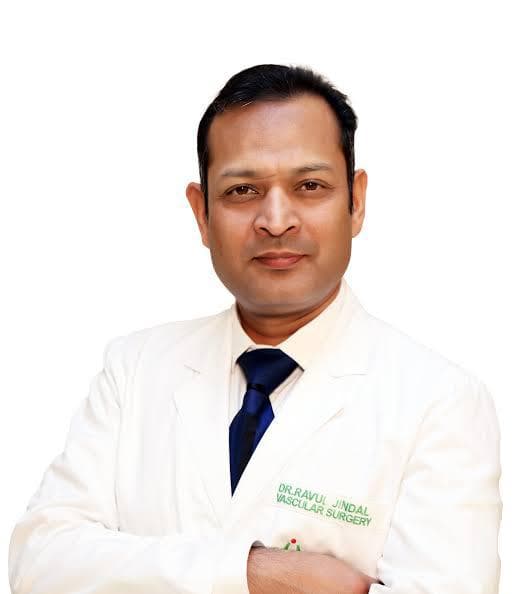
"Patients across North India trust Dr. Ravul Jindal because his combination of international training and advanced technology ensures the highest standard of precision and safety."
Expertise
Clinical Legacy
30+ years of dedicated vascular and endovascular surgery experience.
Global Pedigree
International training at St Mary's Hospital London, affiliated to Imperial College.
Institutional Leadership
16+ years as Director and Head of Vascular Surgery at Fortis Hospital Mohali.
Advanced Technology
Catheter lab equipped for precise stenting with routine embolic protection systems.
Minimally Invasive
Advanced endovascular approach — no open surgery or general anaesthesia required.
Regional Authority
Serving patients from Chandigarh, Panchkula, and across Punjab and Haryana.
Frequently Asked Questions (FAQs)
Q.1 Is Carotid Artery Stenting recommended for everyone?
Q.2 Can Carotid Artery Disease be managed with medication alone?
Q.3 What are the risks of Carotid Artery Stenting?
Q.4 What is the success rate of Carotid Artery Stenting in Mohali?
Q.5 How long does recovery take after Carotid Artery Stenting?
Q.6 Can Carotid Artery Disease return after Stenting?
Q.7 Are there any age limitations for Carotid Artery Stenting?
Expert Stroke Prevention is a Call Away
Don't ignore the warning signs of carotid artery disease. Consult Dr. Ravul Jindal at Fortis Hospital Mohali for a personalized, life-saving treatment plan.