Aorto-Femoral Bypass Surgery in Mohali
Aorto-femoral bypass surgery is an advanced vascular treatment designed to restore healthy blood flow in patients suffering from severe arterial blockages.
When the aorta or iliac arteries are critically obstructed, this life-changing procedure offers a proven solution. In Mohali, this complex surgery is led by Dr. Ravul Jindal—HOD & Director of Vascular Surgery at Fortis Hospital—with over 30 plus years of expertise. Under his care, patients receive world-class, safe, and affordable vascular treatment without the need to travel to a metro city.
95%
Clinical Success Rate
What is Aorto-Femoral Bypass Surgery?
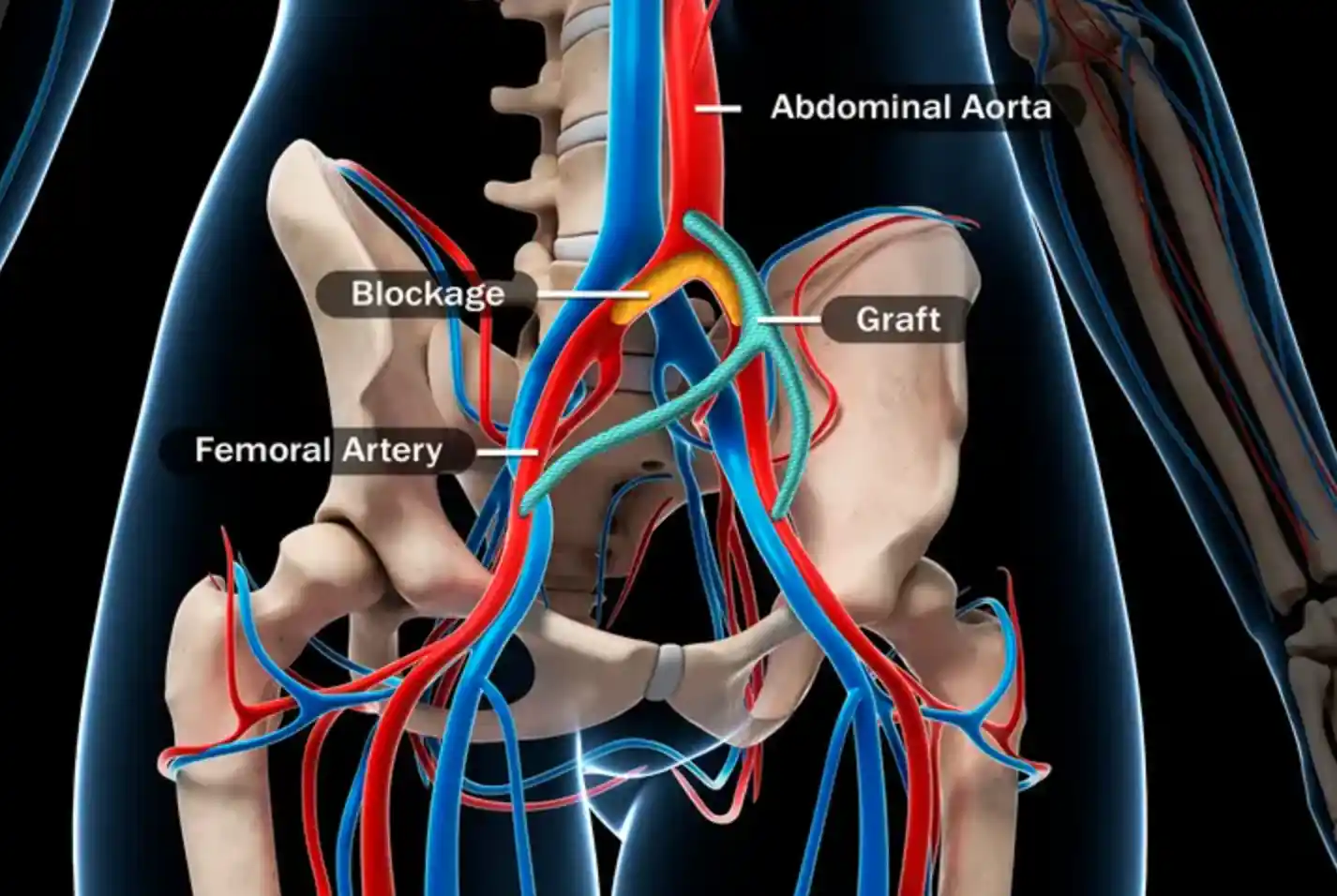
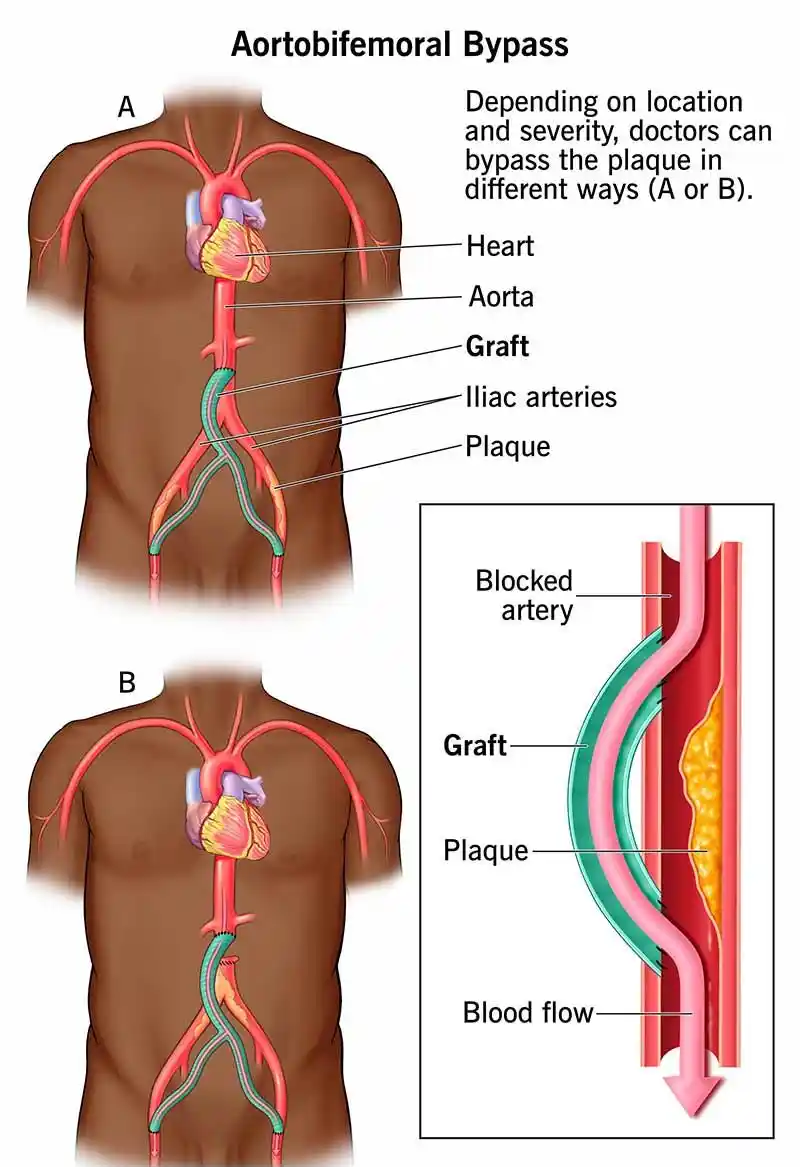
Aorto-femoral bypass surgery is a major vascular procedure that creates a new pathway for blood to flow from the aorta to the femoral arteries in the groin. A Y-shaped synthetic graft (Dacron or PTFE) is used to bypass severely blocked segments of the aorta or iliac arteries.
The primary goal of this intervention is to restore robust blood circulation to the lower limbs, thereby relieving chronic leg pain, preventing tissue damage, and avoiding the risk of amputation in patients with advanced arterial disease.
Symptoms That Indicate You May Need Surgery
Recognising the warning signs early can prevent irreversible damage. You may need an evaluation for aorto-femoral bypass surgery if you experience any of the following:
Persistent leg pain while walking that forces you to stop and rest
Pain at rest in the feet or legs, especially at night
Cold, numb, or weak legs even without physical activity
Slow or non-healing wounds, sores, or ulcers on the lower legs
Skin discoloration, pallor, or a bluish tinge on the legs or toes
How Aorto-Femoral Bypass Surgery is Performed
Aorto-femoral bypass surgery is carried out under general anaesthesia in a fully equipped operating theatre - with each step carefully coordinated to restore healthy blood flow to the legs.
Step 1: Anaesthesia
The patient is administered general anaesthesia to ensure complete comfort and pain-free experience throughout the entire procedure.
Step 2: Surgical Incisions
The surgeon makes an incision in the abdomen to access the aorta, and two smaller incisions in both groins to access the femoral arteries.
Step 3: Graft Attachment
A Y-shaped synthetic graft made of Dacron or PTFE is carefully sutured to the aorta at the top with precision.
Step 4: Graft Tunneling
The two limbs of the graft are tunneled through the body and connected to the femoral arteries in each groin.
Step 5: Blood Flow Restoration
Blood flow is rerouted through the new graft, bypassing the blocked arterial segments and restoring healthy circulation to the legs.
Step 6: Wound Closure
Incisions are closed in layers with care, and the patient is moved to recovery for close post-operative monitoring.
Benefits of Aorto-Femoral Bypass Surgery
When performed by an experienced vascular surgeon, aorto-femoral bypass surgery offers significant and long-lasting benefits — restoring healthy circulation and dramatically improving quality of life for every patient.
Dramatically improved blood circulation to both legs.
Significant relief from leg pain, cramping, and rest pain.
Prevention of limb amputation in critical limb ischemia cases.
Long-term durability — synthetic grafts functional for 10–15 years or more.
Improved quality of life, mobility, and independence.
Clinical Success
95%+
Reported Clinical Success
Insurance Support
EMI Options Available
A life-transforming procedure designed for long-term arterial restoration and limb salvage.
Recovery After Aorto-Femoral Bypass
Most patients require 1–2 days in ICU followed by a total hospital stay of 5–10 days. Short assisted walks begin within 2–3 days to promote circulation, with full recovery and return to normal daily activities taking 4–8 weeks.
Quit smoking immediately — the single biggest risk factor for graft failure.
Follow a heart-healthy diet low in saturated fats and rich in vegetables.
Attend all scheduled follow-up appointments and vascular imaging reviews.
Take all prescribed medications — blood thinners, antiplatelets, and statins.
Report any new swelling, pain, fever, or wound changes to your surgeon promptly.
Risks & Complications
Like all major surgeries, aorto-femoral bypass carries certain risks. Modern surgical techniques and stringent post-operative protocols at Fortis Hospital Mohali have significantly reduced complication rates.
Potential Surgical Risks
Risks include wound infection at incision sites, bleeding during or after the procedure, graft blockage or thrombosis, and heart or lung complications - which are more common in patients with pre-existing conditions.
Risk Management & Benefits
It is important to have an open discussion with your vascular surgeon about your individual risk profile. In most cases, the benefits far outweigh the risks - particularly when limb loss remains a possibility without timely surgical intervention.
Why Choose Dr. Ravul Jindal for Aorto-Femoral Bypass in Mohali
When it comes to complex aorto-femoral bypass surgery in Mohali, surgical expertise and precision matter most. Dr. Ravul Jindal is North India's most trusted vascular surgeon — delivering consistently outstanding outcomes for every patient.
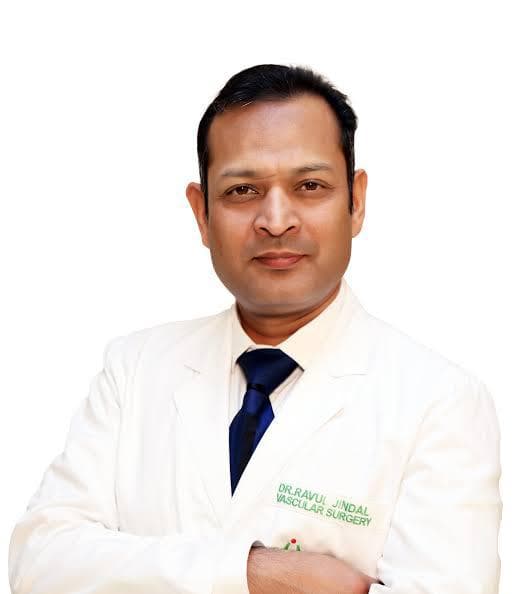
"His commitment to surgical precision, transparent treatment planning, and personalised care makes Dr. Ravul Jindal the most trusted choice for aorto-femoral bypass surgery across Mohali and North India."
Expertise
Vascular Experience
30+ years of dedicated vascular and endovascular surgery experience.
Global Training
Advanced subspecialty training at St. Mary's Hospital London, Imperial College.
Clinical Leadership
16+ years as Director & HOD of Vascular Surgery, Fortis Hospital Mohali.
Proven Success
Consistently high success rates with a patient-first approach to care.
Regional Trust
Trusted by thousands of patients across Mohali, Chandigarh, and Punjab.
Frequently Asked Questions (FAQs)
1. What is the success rate of aorto-femoral bypass surgery?
2. Is aorto-femoral bypass surgery safe?
3. How long does the graft last?
4. When can I walk after surgery?
5. Is aorto-femoral bypass better than angioplasty?
6. Who is the best doctor for aorto-femoral bypass in Mohali?
Restore Your Mobility and Save Your Limbs
Don't ignore persistent leg pain or non-healing wounds. Consult with Dr. Ravul Jindal at Fortis Hospital Mohali for expert aorto-femoral bypass surgery.