Femoro-Popliteal Bypass Surgery by Leading Vascular Surgeon in Mohali
Peripheral arterial disease (PAD) causes the arteries supplying the lower limbs to narrow or block, leading to severe ischaemia. Femoro-popliteal bypass surgery restores blood flow, relieves pain, heals arterial ulcers, and saves the limb.
Dr. Ravul Jindal, HOD & Director of Vascular Surgery at Fortis Hospital Mohali, brings 30 plus years of specialised expertise to this procedure, delivering consistently outstanding outcomes for patients across Punjab and North India.
95%
Clinical Success Rate

What is Femoro-popliteal Bypass Surgery?
Femoro-popliteal bypass creates an alternative route for arterial blood around a blocked segment of the superficial femoral artery (SFA) or popliteal artery - the primary vessels supplying the lower leg. When obstructed, arterial insufficiency leads to claudication, rest pain, non-healing wounds, and in advanced cases, gangrene and limb loss.
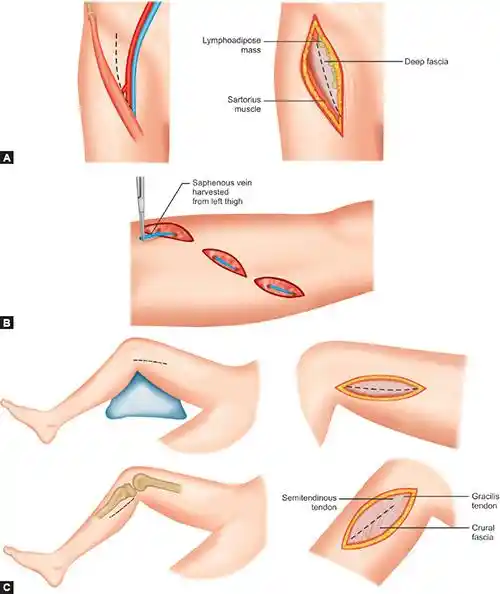
The bypass graft is fashioned either from the patient's own great saphenous vein - the gold standard conduit - or from a synthetic prosthesis (ePTFE or Dacron) when a suitable vein is unavailable, immediately restoring circulation to the ischaemic limb.
When is This Procedure Recommended ?
The decision to proceed with femoro-popliteal bypass is made after careful clinical assessment, duplex ultrasound mapping, and arterial imaging. It is typically advised in the following situations:
Debilitating claudication unresponsive to exercise or medical therapy
Rest pain indicating critical limb ischaemia (CLI)
Non-healing arterial ulcers or early signs of gangrene
Long-segment femoro-popliteal occlusions (TASC II C/D lesions)
Failed or recurrent endovascular interventions with persistent symptoms
Femoro-Popliteal Bypass Procedure – Step by Step
The procedure involves careful pre-operative planning, precise surgical bypass of the blocked artery, and a structured recovery programme to restore full limb function.
Step 1: Pre-Procedure Evaluation
Pre-operative assessment includes Doppler ultrasound, CT or MR angiography for arterial mapping, and blood tests to confirm surgical safety.
Step 2: During the Procedure
Under general or regional anaesthesia, a graft is precisely placed to bypass the blocked femoral or popliteal artery - immediately restoring blood flow to the ischaemic lower limb
Step 3: Post-Procedure Recovery
A graft bypasses the blocked artery under anaesthesia, immediately restoring blood flow to the ischaemic lower limb.
How Femoro-Popliteal Bypass Improves Your Quality of Life
Femoro-popliteal bypass surgery goes beyond restoring blood flow - it transforms lives. By eliminating rest pain, healing chronic wounds, and preventing amputation, patients regain mobility, independence, and a significantly improved quality of life.
Restores normal blood flow to the lower limb
Relieves chronic rest pain and night cramps
Heals non-healing arterial ulcers and wounds
Prevents amputation and achieves limb salvage
Enables pain-free walking and daily activity
Clinical Success
95%+
Reported Clinical Success
Insurance Support
EMI Options Available
Comprehensive arterial reconstruction designed to restore mobility and long-term independence.
Femoro-Popliteal Bypass vs Stenting - Which is Better?
The choice between bypass surgery and stenting depends on blockage length, severity, overall patient health, and long-term durability goals. For complex, long-segment occlusions, bypass consistently delivers superior outcomes.
Femoro-Popliteal Bypass
Best for: Long, complex arterial occlusions
Superior long-term patency and durability
Preferred when endovascular treatment has failed
Ideal for extensive multi-segment arterial blockages
Gold standard for advanced femoro-popliteal disease
Peripheral Stenting
Best for: Shorter, localised arterial blockages
Less invasive with faster initial recovery
Shorter hospital stay and quicker return to activities
Suitable for focal stenosis and moderate blockages
First-line option before considering surgical bypass
Recovery and Long-Term Care
Maintaining graft patency is essential for long-term success. We recommend these 5 recovery tips:
Quit smoking and manage diabetes effectively to protect your arteries.
Attend regular follow-ups with vascular imaging (duplex ultrasound).
Walk daily to promote healthy circulation and healing.
Follow a heart-healthy, low-cholesterol diet.
Take all prescribed antiplatelet medications without interruption.
Recovery After Peripheral Angioplasty
Post-procedural care is essential for ensuring the long-term success of the angioplasty and a smooth transition back to daily life.
Immediate Post-Procedure Care
Most patients return home the same day after angioplasty, with the hospital medical team continuing to monitor vitals for 12 to 24 hours. Once stable, patients are discharged within 1-2 days, receiving post-procedure medications and care instructions.
Long-Term Healing & Activity
Resuming normal activities takes roughly one week, though strenuous tasks should wait. Following the procedure, regular life gradually returns as the body heals - patients must respect few-day rest windows to ensure safe, complication-free recovery without compromise.
Meet Dr. Ravul Jindal – Femoro-Popliteal Bypass Specialist in Mohali
With over 30 plus years of specialised experience, Dr. Ravul Jindal is North India's most trusted name in vascular and endovascular surgery, delivering world-class care to patients across Mohali, Chandigarh, and beyond.
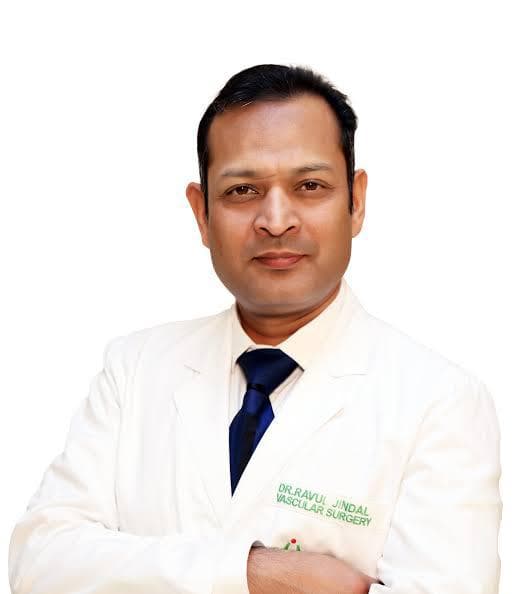
"Patients seeking advanced vascular surgical care trust him for a patient-centred approach, meticulous surgical precision, and consistently outstanding outcomes in even the most complex cases."
Expertise
Clinical Directorship
Director & HOD, Vascular Surgery Department, Fortis Hospital, Mohali
Vascular Experience
Over 30 plus years of specialised vascular surgical experience
International Training
Senior Registrar at St. Mary's Hospital, London (Imperial College)
Surgical Breadth
Expert in peripheral arterial disease, aortic and venous surgery
Limb Salvage
Thousands of successful arterial reconstructions and limb salvage procedures
Regional Trust
Trusted by patients across Punjab, Haryana, and Himachal Pradesh
Frequently Asked Questions
1. What is femoro-popliteal bypass surgery?
2. Who is a suitable candidate for this procedure?
3. How long does femoro-popliteal bypass surgery take?
4. What is the success rate of femoro-popliteal bypass?
5. Is femoro-popliteal bypass surgery available in Mohali?
6. Who is Dr. Ravul Jindal and why choose him for this surgery?
7. How long is the recovery after femoro-popliteal bypass?
8. Bypass surgery or stenting - which is better for blocked leg arteries?
Book a Vascular Consultation in Mohali
If you are experiencing leg pain or non-healing ulcers, early specialist review is critical to prevent tissue loss. Schedule your consultation with Dr. Ravul Jindal today.