Basilic Vein Transposition Surgery in Mohali by Expert Dr. Ravul Jindal
Dialysis patients requiring reliable vascular access often face challenges when primary access sites become unavailable. Basilic Vein Transposition in Mohali provides an excellent secondary solution for patients needing sustainable hemodialysis access with minimal complications.
Dr. Ravul Jindal, a distinguished vascular surgeon with 30 years of dedicated expertise in vascular surgery, specializes in advanced Basilic Vein Transposition surgery techniques ensuring optimal patient outcomes and long-term hemodialysis access success.
95%
Clinical Success Rate
What is Basilic Vein Transposition (BVT)?
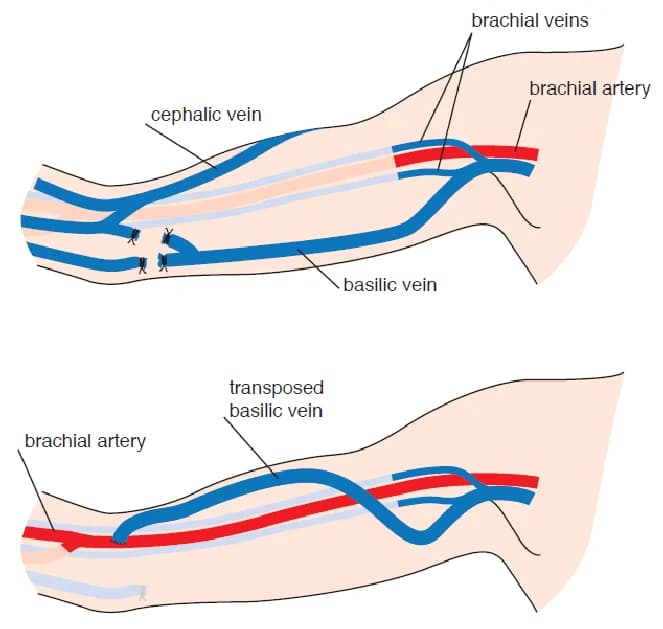
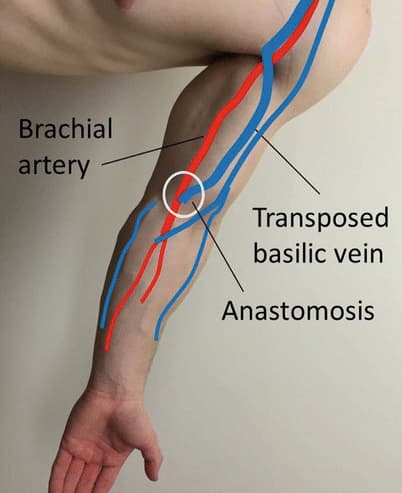
Basilic Vein Transposition is a specialized surgical procedure designed to relocate the deep basilic vein from subfascial position to subcutaneous tissue layer, making it accessible for dialysis needle puncture and creating a functional arteriovenous fistula.
The basilic vein, located deep within the upper arm beneath muscle and fascia, naturally possesses excellent diameter and robust vessel quality characteristics necessary for creating reliable long-term vascular access suitable for successful chronic hemodialysis treatment.
Why BVT is Essential Secondary Vascular Access
When primary AV fistulas fail or superficial veins are exhausted, basilic vein transposition provides a reliable, durable secondary hemodialysis access option for end-stage renal disease patients requiring long-term dialysis.
Failed primary vascular access requiring secondary creation.
Inadequate superficial veins for conventional AV fistula.
Chronic vein deterioration from prolonged dialysis needle use.
Anatomical variations prevent successful conventional fistula creation.
Previous surgical complications affecting primary access sites.
The Complete BVT Surgical Procedure Step-by-Step Process
Every basilic vein transposition at Fortis Hospital Mohali is performed with precision and care — here is exactly what patients can expect at each stage of the procedure.
Step 1: Pre-Operative Assessment
Colour Doppler ultrasound maps vessels, confirms diameters, and ensures the arm is fully prepared for safe basilic vein transposition surgery.
Step 2: Anaesthesia & Preparation
Local or regional anaesthesia ensures complete comfort while the surgical site is carefully cleaned, draped, and monitored throughout.
Step 3: Vein Mobilisation
The basilic vein is carefully freed from surrounding tissue through small incisions while preserving all nearby nerves completely.
Step 4: Transposition & Tunnelling
The mobilised vein is tunnelled to a superficial arm position, allowing easy and reliable needle access during every dialysis session.
Step 5: Arteriovenous Anastomosis
The basilic vein is precisely connected to the brachial artery under magnification, with thrill and bruit confirmed immediately after.
Step 6: Wound Closure & Recovery
Incisions are closed carefully, the arm elevated, and patients monitored before same-day or next-day discharge from Fortis Hospital Mohali.
Key Advantages of Minimal Incision BVT Surgery
Minimal incision BVT techniques dramatically reduce post-operative pain, scarring, infection risk, and recovery time when compared to conventional surgical approaches for basilic vein transposition procedures.
Reduced post-operative pain requiring significantly less pain medication management
Minimal scarring providing superior cosmetic outcomes and patient satisfaction
Lower infection risk and reduced wound complication rates significantly
Faster return to normal daily activities and regular work schedules
Improved patient satisfaction and overall quality of life outcomes
Preservation of surrounding tissue integrity and nerve function
Clinical Success
95%+
Reported Clinical Success
Insurance Support
EMI Options Available
Advancing dialysis access through modern, minimally invasive surgical mastery.
Surgical Approaches: Conventional vs. Minimal Incision Techniques
Traditional BVT uses one long continuous arm incision with extensive tissue dissection, while modern minimal incision BVT uses small targeted cuts with significantly less trauma, pain, and scarring.
Conventional BVT: The Long Incision Approach
Single lengthy continuous incision along the entire basilic vein course
Full surgical dissection of surrounding tissues and nerves required
Longer operative time and extended post-operative recovery period
Higher risk of wound complications and post-operative discomfort
Traditional open technique used when minimally invasive approach is unsuitable
Minimal Incision BVT: Advanced Technique
Small targeted incisions near the elbow and along the vein path only
Specialised surgical instruments ensure precision with minimal tissue disruption
Significantly reduced post-operative pain and faster wound healing
Lower risk of nerve injury and surrounding tissue complications
Dr. Ravul Jindal specialises in this advanced minimally invasive approach
Recovery Timeline and Post-Operative Care Protocol
Basilic vein transposition recovery is smooth and straightforward for most patients — with simple post-operative care ensuring optimal fistula maturation and long-term dialysis access success.
Hospital Discharge: Most patients are safely discharged on the same day or within 24 hours of surgery.
Wound Care: Suture removal and a clinical wound review are conducted at 10–14 days post-procedure.
Maturation Check: A duplex ultrasound follow-up at six weeks confirms successful fistula maturation.
Arm Protection: Avoid pressure, blood draws, and BP cuff measurements on the fistula arm at all times.
Dialysis Readiness: The fistula is typically fully dialysis-ready at approximately six to eight weeks post-surgery.
Why Choose Dr. Ravul Jindal for BVT Surgery in Mohali
Dr. Ravul Jindal brings over thirty years of dedicated expertise in vascular surgery, having successfully treated over twenty thousand patients with exceptional clinical outcomes and international training credentials.
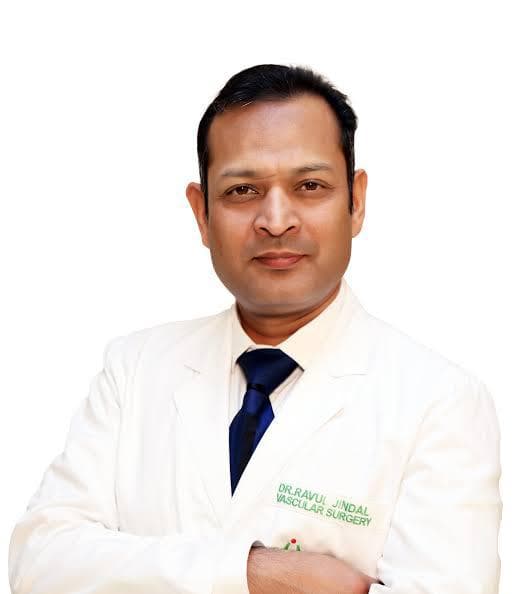
"Dr. Ravul Jindal's extensive experience and leadership at Fortis Hospital demonstrates the highest standard of surgical expertise in BVT."
Expertise
Clinical Legacy
Over 30 years of dedicated vascular surgery and varicose veins expertise.
Patient Success
Treated 20,000+ patients with a track record of excellent surgical outcomes.
Global Pedigree
Senior Registrar training at St Mary's Hospital London (Imperial College affiliated).
Institutional Leadership
16+ years as Director and HOD of Vascular Surgery at Fortis Hospital, Mohali.
Surgical Innovation
Specialized knowledge in advanced minimal incision BVT surgical techniques.
Regional Authority
The leading specialist for complex dialysis access and venous interventions in North India.
Frequently Asked Questions About Basilic Vein Transposition
Q.1 Where can I get BVT surgery in Mohali?
Q.2 Why choose Dr. Ravul Jindal for BVT surgery?
Q.3 Is BVT surgery painful after the procedure?
Q.4 How long is BVT surgery recovery time?
Q.5 What are the success rates of BVT surgery?
Q.6 Can I work after BVT surgery immediately?
Schedule Your BVT Consultation Today
Get a reliable, long-term solution for your dialysis access. Consult with Dr. Ravul Jindal at Fortis Hospital Mohali for expert Basilic Vein Transposition.