Aortic Disease Treatment in Mohali & Chandigarh
Aortic diseases pose serious health risks, demanding comprehensive treatment from highly skilled professionals. In Mohali and Chandigarh, advanced cardiac care has transformed outcomes for patients facing life-altering aortic stenosis or aortic aneurysm conditions requiring immediate intervention.
Dr. Ravul Jindal, a renowned vascular surgeon at Fortis Hospital, brings 30 plus years experience addressing treatment options for complex heart conditions. A high success rate of over 95%, combined with experience of performing 5000+ aortic repairs, ensures patients across Punjab receive world-class cardiac care close to home
"Treatment for aortic conditions in Mohali targets the body's main artery, preventing heart failure and life-threatening rupture complications. Early diagnosis improves quality of life, reducing risks from untreated, life-threatening internal bleeding or rupture complications."
Understanding Aortic Diseases
The aorta remains the body's largest artery, and when aortic diseases compromise its integrity, the consequences can be life-altering. Conditions like aneurysms, dissections, and stenosis demand state-of-the-art care to prevent severe complications from developing silently.
Experienced practitioners recognize that these conditions must be addressed promptly before irreversible damage occurs. A range of conditions affecting the aorta can be effectively managed when caught early through advanced diagnostic and therapeutic options.
What distinguishes modern aortic care is its precision - combining precision diagnostic imaging with individualized therapeutic options. Every patient presenting with aortic diseases deserves a personalized roadmap, ensuring no condition goes unrecognized or undertreated across Mohali.
Types of Aortic Aneurysms
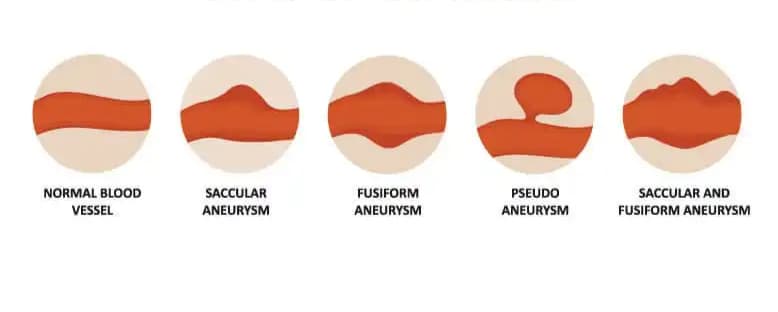
Aortic aneurysms are abnormal bulges in the aortic wall that can rupture without warning. There are two primary types requiring specialized care:
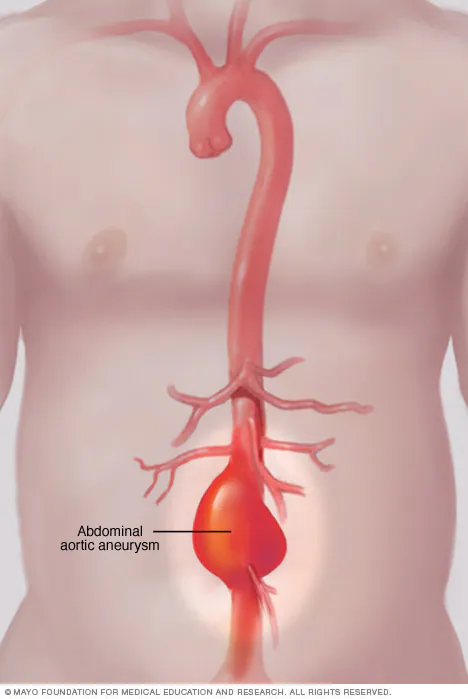
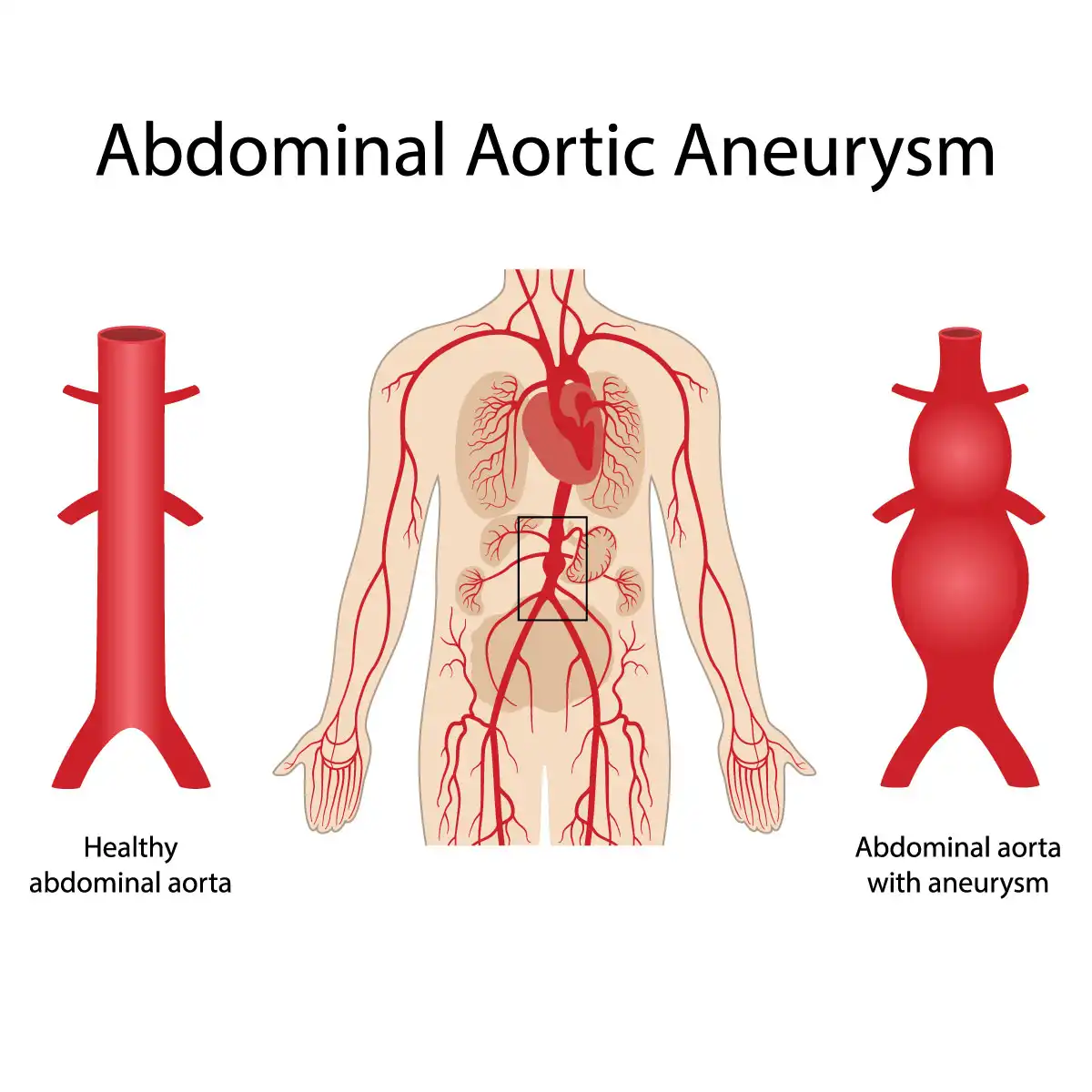
1Abdominal Aortic Aneurysm (AAA)
An AAA develops in the lower section of the aorta, within the abdomen. It often grows silently over years—producing no pain until it nears a dangerous size or begins to rupture. Men over 65 who smoke are at the highest risk; routine screening is strongly recommended.
2Thoracic Aortic Aneurysm (TAA)
A TAA forms in the portion of the aorta running through the chest cavity. It is frequently linked to connective tissue disorders, hypertension, or a bicuspid aortic valve. These can be difficult to detect, making specialist imaging essential for high-risk individuals.
Aortic Valve Degeneration & Risk Factors
Aging accelerates the degenerative process in heart valves, where calcification gradually narrows valve openings. Patients with congenital heart defects, particularly a bicuspid aortic valve, face significantly elevated risk factors for developing aortic stenosis earlier in life. Rheumatic fever remains an underrecognized driver of aortic valve damage, especially across Tricity, while high blood pressure combined with elevated cholesterol quietly accelerates valve stenosis before irreversible structural changes compromise overall heart health.
Hypertension worsens existing aortic diseases faster than most realize. Fortunately, preventive measures including regular check-ups enable timely prevention and management before complications escalate - giving patients meaningful control over their cardiovascular outcomes when diagnosed and monitored appropriately.
Symptoms of Aortic Aneurysm
Aneurysms often grow silently. Timely diagnosis is critical as symptoms usually appear only when the bulge is large or nearing rupture.
Constant pain in the abdomen or chest
Back pain that radiates toward the chest
A pulsating sensation felt near the navel
Shortness of breath or difficulty swallowing
Sudden, intense pain (signaling a rupture emergency)
Dizziness or fainting due to internal pressure
Aortic Treatment Options
Dr. Ravul Jindal delivers advanced treatments combining surgical precision with minimally invasive technology for optimal recovery.
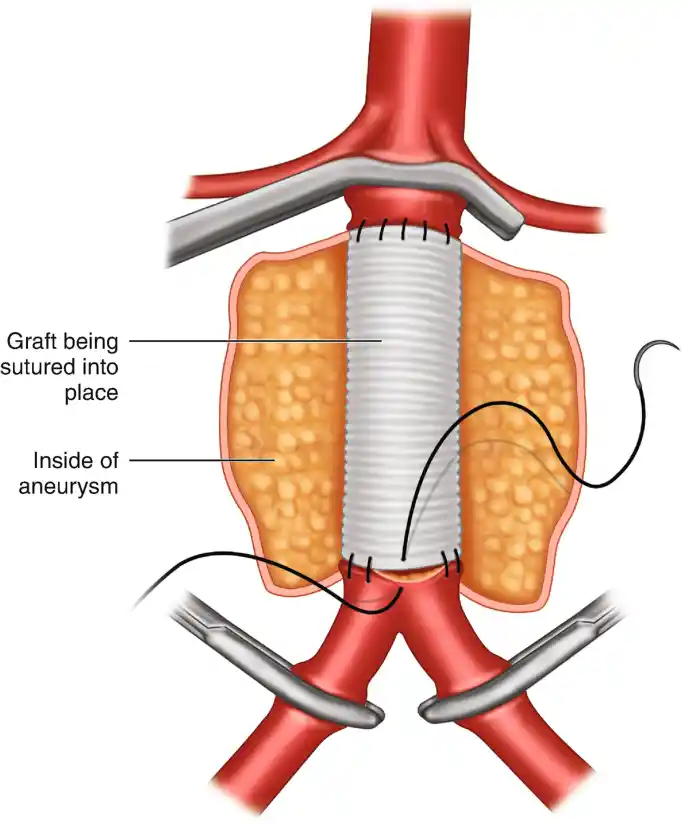
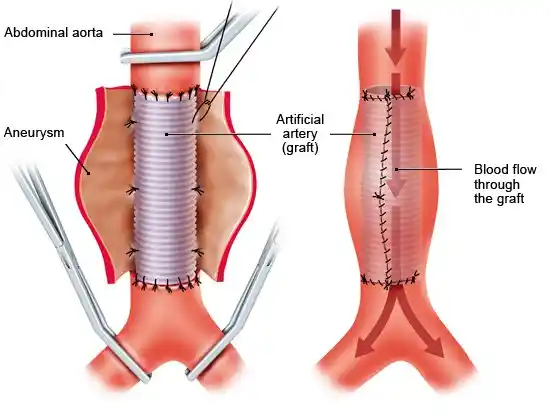
Open AAA Repair
Replacing the weakened aortic section with a durable synthetic graft to restore normal blood flow.
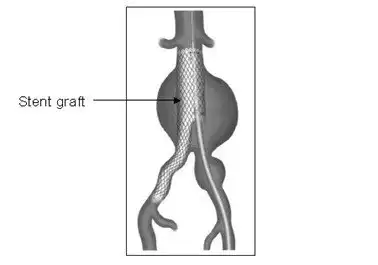
EVAR
Endovascular Aneurysm Repair using a stent graft to reinforce the aorta with significantly reduced recovery time.
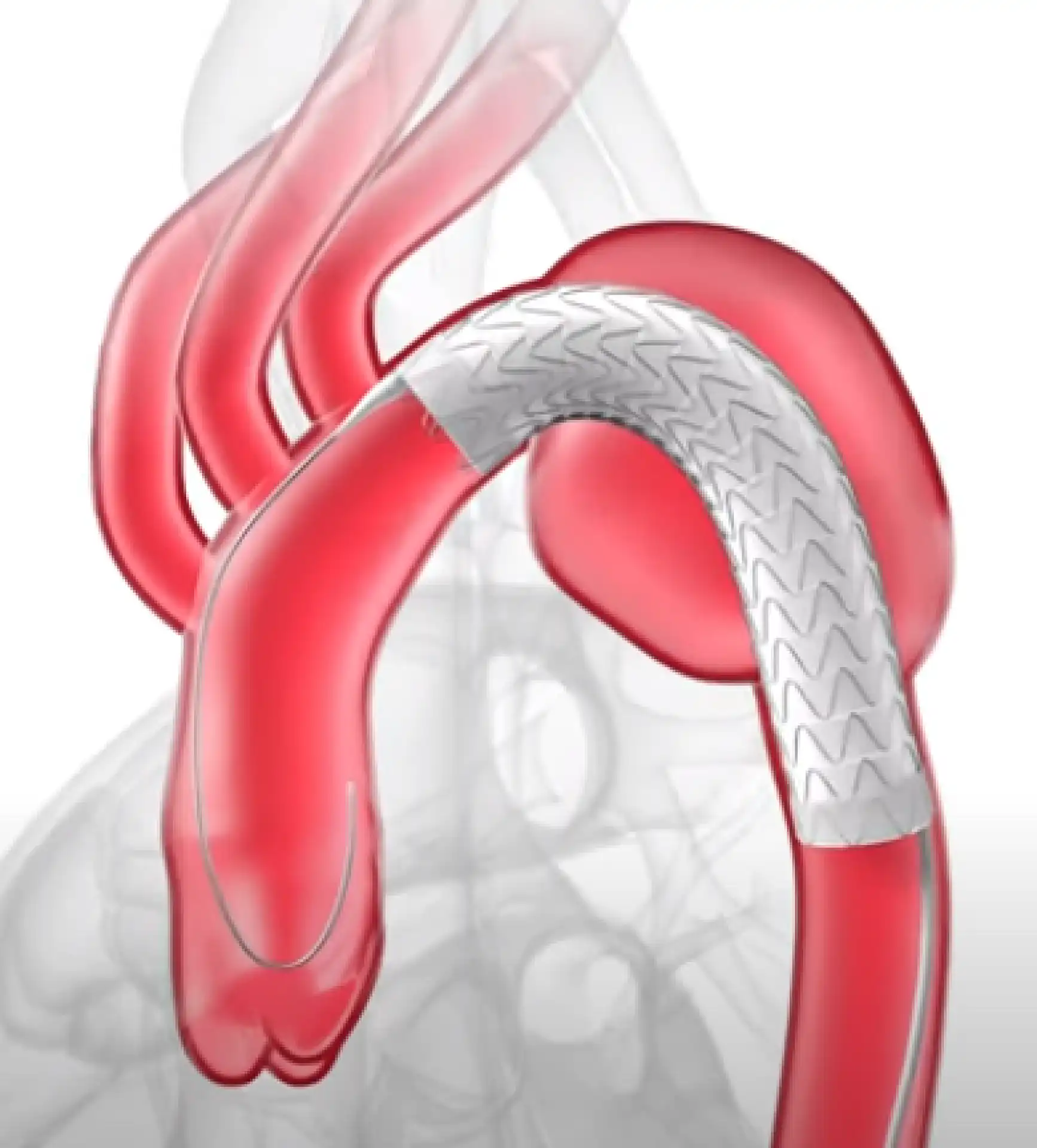
TEVAR
Thoracic Endovascular Aortic Repair treating thoracic aneurysms via catheter, avoiding open-chest surgery.
Dissection Management
Immediate assessment and delivery of targeted medication or surgery to prevent life-threatening complications.
When Is Surgery for an Aneurysm Needed?
Clinical guidelines recommend surgery when an aneurysm exceeds 5.5 cm, as the risk of spontaneous rupture increases dramatically beyond this threshold. Immediate surgical evaluation is also mandatory for any patient experiencing pain or discomfort associated with an aortic dissection, as these symptoms indicate life-threatening vessel wall instability.
The speed of expansion is often a more critical predictor than size alone; any rapidly growing aneurysm warrants urgent repair. Timely intervention in specialized centers prevents complications and ensures the best outcomes for vascular health.
Post-Operative Care & Recovery
Medication Management: Take prescribed medications, including anticoagulants, consistently to prevent dangerous blood clots and maintain stable cardiac health.
Regular Follow-Ups: Schedule regular follow-ups to monitor recovery progress and allow specialists to adjust treatment plans accordingly.
Physical Rehabilitation: Join cardiac rehab programs to rebuild strength and restore cardiovascular health through guided physical rehabilitation.
Lifestyle Modifications: Adopt heart-healthy practices through balanced diet, consistent exercise, and effective stress management for lasting recovery.
Comprehensive aftercare is essential for long-term heart function and successful surgical outcomes.
What Makes Dr. Ravul Jindal the Right Choice for Aortic Care?
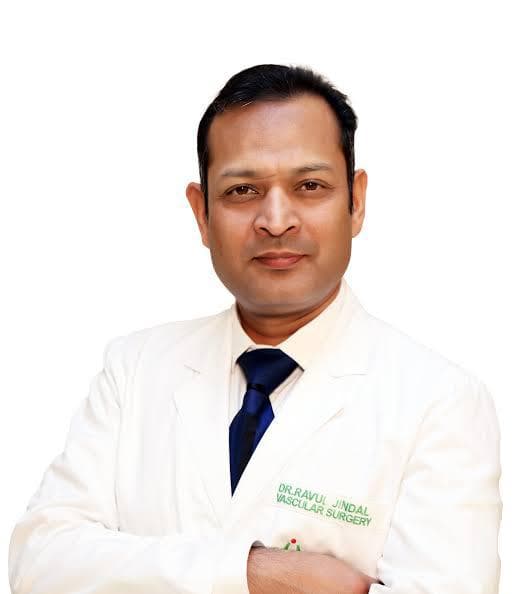
Dr. Ravul Jindal is a leading vascular specialist, with 30-plus years of experience and 25-plus years serving as Director & HOD of Vascular and Endovascular Surgery at Fortis Hospital Mohali - bringing unmatched expertise in complex aortic disease management.
- Delivers patient-centric care through evidence-based practices for aortic conditions.
- Applies cutting-edge technologies including Cardio-Ankle Vascular Index and CAVI testing.
- Expert in aneurysm repair, dissection management, and valve replacement procedures.
- Leads a multidisciplinary team of experienced cardiologists and vascular surgeons.
- Every patient receives a personalised treatment plan addressing their specific health needs.
His commitment to diagnostic precision and advanced treatment facilities ensures comprehensive aortic care in Mohali — where every decision reflects a genuine dedication to restoring health and patient confidence.
4000+
Successful Surgeries
30 plus
Years Exp.
FAQ’s
Get expert answers to your questions about aortic disease symptoms, diagnosis, and recovery from Dr. Ravul Jindal.
What are the Symptoms of Aortic Disease?
How Is An Aortic Aneurysm Diagnosed?
What Should I Expect During Recovery From Aortic Surgery?
Who Is The Best Vascular Surgeon In Mohali?
What Is The Success Rate Of Aortic Surgery In Mohali?
What Lifestyle Changes Are Recommended After Aortic Treatment?
Expert Vascular Care for Better Recovery
Get a specialist review foraortic disease treatment in mohali & chandigarh with personalised guidance and treatment planning.