Best Amputation Treatment in Mohali for Better Recovery
With 30 years of experience, Dr. Ravul Jindal at Fortis Hospital, Mohali has redefined what unparalleled patient care truly means. His approach to amputation treatment integrates clinical precision with genuine human understanding, addressing health-related problems others overlook.As one of the best vascular surgeon specialists in Punjab, he leads a team of dedicated experts who deliver personalised care tailored to every patient's unique condition.
Each case receives focused, individualized attention from diagnosis through recovery. Choosing this facility for amputation means accessing decades of refined surgical mastery. Patients benefit from compassionate experts who understand that recovery is as much emotional as physical, ensuring complete, well-rounded healing.
95%
Clinical Success Rate
What Is Amputation Surgery ?
Amputation is the surgical removal, complete or partial, of a body part - arms, legs, hand, foot, finger, or toe - when trauma, severe infection, vascular diseases, or tumours affecting muscles and bones demand intervention.
When disease is not responding to treatment, removing the affected limb reduces pain and controls disease progression - though this life-changing experience impacts a patient's ability to move, work, interact, and independence significantly.
When Is Amputation Needed
Traumatic injury, severe burns, and crush injury during a severe accident can make saving a body part impossible - requiring immediate surgical intervention to preserve life and prevent further complications.
Traumatic injury accounts for 45% of all amputations worldwide.
Vascular diseases like PAD disrupt critical blood flow to limbs.
Diabetes and chronic vascular problems accelerate irreversible tissue death.
Serious infections resistant to antibiotics destroy toes, feet, and legs.
Tumours in muscles or bones spread when drug treatment fails.
How Surgeons Perform Amputation Safely
Dr. Ravul Jindal utilizes state-of-the-art technology for precise planning and safe execution:
Step 1 - Pre-Surgical Planning
The limb is clearly marked, skin temperatures are checked, and pulse differences are evaluated between the affected and healthy limbs.
Step 2 - Anesthesia & Removal
Under general or spinal anesthesia, the team removes damaged tissue and smoothes crushed bone, ensuring clean margins while maintaining IV medication delivery.
Step 3 - Wound Stabilization
Temporary drains and sterile dressings manage fluids. A splint or traction may be used to stabilize the site for future prosthetic fitting.
Types of Amputation
Our expert surgical team performs precise amputation procedures tailored to each patient's condition, offering two primary treatment classifications to ensure optimal surgical outcomes
Minor Amputations
Minor amputations involve partial limb removal of smaller extremities such as a finger, toe, hand, or foot — performed with minimal disruption to surrounding healthy tissue. Skin flaps are carefully stitched closed post-surgery, with little risk of infection when proper care is maintained and the wound is monitored for clean, healthy healing.
Major Amputations
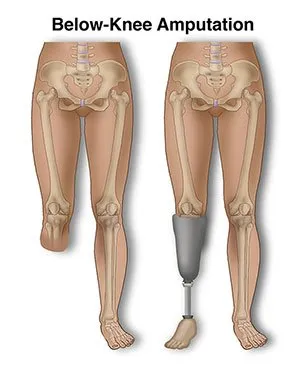
Major amputations involve larger limb removals requiring advanced surgical precision and carry comparatively higher recovery demands. Procedures include above-knee amputation, below-knee amputation, open flap amputation for infected tissue, and closed amputation with skin flaps stitched together — with stump tissue carefully kept clean and free of infection throughout recovery.
Recovery & Rehabilitation
Post-surgical recovery requires a structured clinical approach to healing, physical therapy, and infection management to ensure the best outcomes for every patient.
Post-Surgical Healing
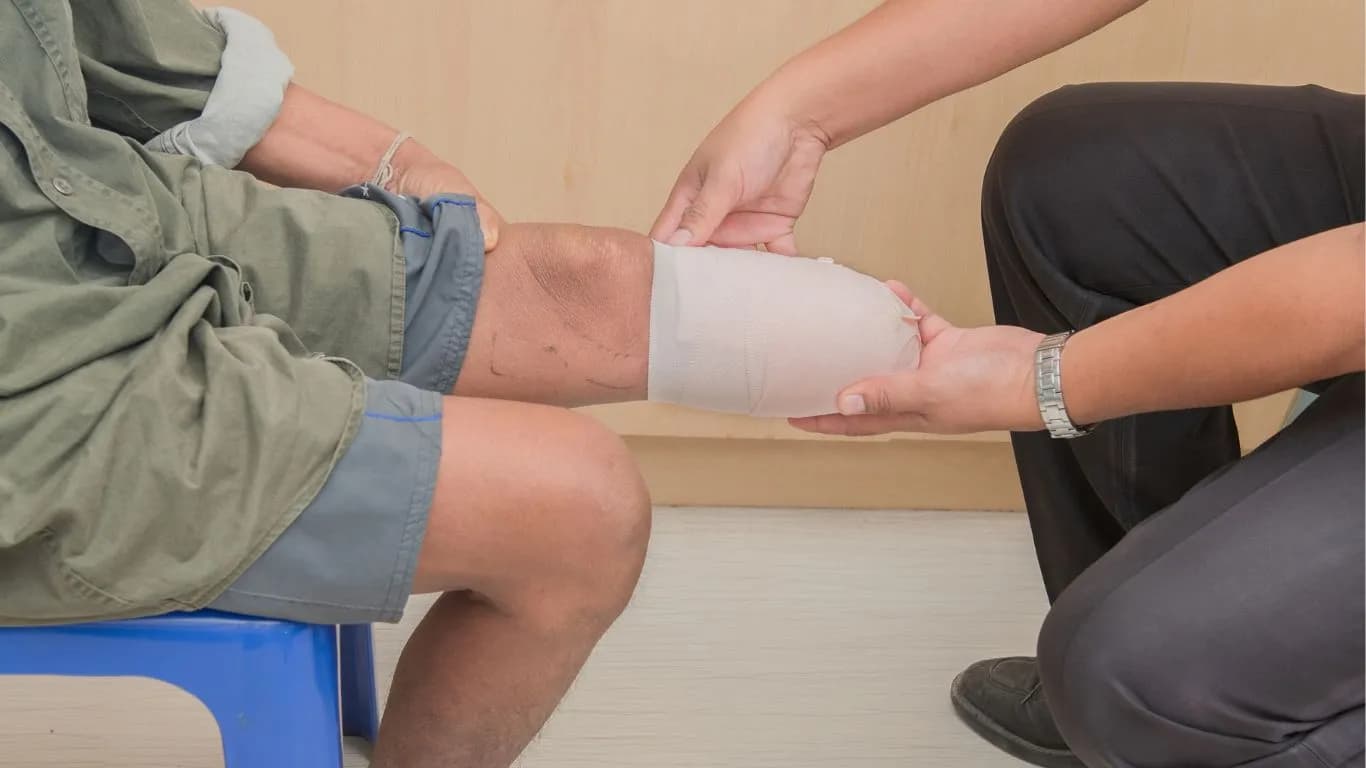
Recovery after amputation begins post-anesthesia, with doctor-monitored dressings protecting the stump through wound healing. Patients with diabetes or hardening of the arteries need extended hospital care, while medications prevent infection and manage pain effectively.
Rehabilitation & Mobility
Physical therapy, gentle stretching exercises, and special exercises from bed or wheelchair improve blood supply, reduce blood clots, and control swelling via compression garment. A physiotherapist addresses specific needs during rehabilitation, supporting prosthesis fitting and overall surgery recovery.
Why Choose Dr. Ravul Jindal In Mohali For Amputation
Dr. Ravul Jindal, Director of Vascular Surgery at Fortis Hospital, Mohali, brings 30+ years of experience combining global clinical excellence with deeply personalised care for every amputation patient.
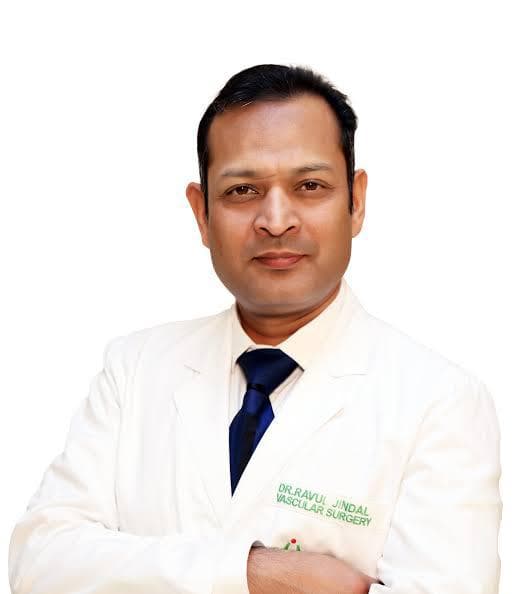
"His patient-first approach ensures every patient receives unparalleled care - making Fortis Hospital Mohali the most trusted choice for amputation treatment across Mohali and Punjab."
Expertise
Proven Outcomes
20,000+ patients successfully treated with proven clinical outcomes.
Success Rate
95%+ success rate across minor and major amputation procedures.
Precision Technology
Latest technologies for accurate diagnosis and precise limb condition treatment.
Safety Protocols
Stringent infection control protocols preventing complications post-surgery.
Optimal Recovery
Quality treatment tailored to each individual requirement for optimal recovery.
Frequently Asked Questions
What are the most common causes of amputation in the leg or foot?
What is the difference between below knee amputation and above knee amputation?
Which offers better recovery - below knee amputation or above knee amputation?
What happens in the amputation bed immediately after leg amputation surgery?
How is the amputation bed prepared to support post-surgical recovery?
Who is the best doctor for below knee and above knee amputation treatment?
Where can patients from Chandigarh access the best leg amputation treatment nearby?
What are the leading causes of amputation among diabetic patients?
Get Expert Surgical & Recovery Care in Mohali
If you are facing a critical limb condition, trust the experience of Dr. Ravul Jindal at Fortis Hospital Mohali for precise surgery and a structured recovery plan.