Advanced Revascularization Procedures for Diabetic Foot & Limb Salvage in Mohali
Diabetic foot complications progress silently, often bypassing early detection. At Fortis Hospital Mohali, patients with chronic poor circulation and non-healing wounds receive timely, advanced vascular intervention that decisively alters outcomes. What separates successful limb salvage from amputation is early access to endovascular surgery and a specialized team that understands blood flow restoration at its most precise.
Revascularization procedures in Mohali under Dr. Ravul Jindal leverage cutting-edge technology that redefines outcomes for vascular patients. Revascularization directly targets narrowing of arteries, reversing ischemic damage compounding every foot ulcer left undertreated - combining imaging precision with advanced treatments to restore meaningful blood flow before tissue loss becomes irreversible.
95%
Clinical Success Rate
What Are Revascularization Procedures?
Most patients don't realize that blocked arteries silently compromise circulation long before symptoms appear. Revascularization directly targets this—restoring blood flow through either minimally invasive or surgical approaches, depending on plaque severity and vessel condition.
Techniques like balloon angioplasty, atherectomy, and stent placement use a catheter to access the artery internally, while vascular surgery handles complex cases. Each method targets the diseased blood vessel through endovascular management or vascular reconstruction, including leg bypass.
Why is Revascularization Needed
Atherosclerosis and plaque buildup silently narrow arteries over time, restricting blood flow until peripheral artery disease triggers visible symptoms like leg pain, cold limbs, and non-healing wounds that demand immediate medical attention.
PAD causing dangerous narrowing of arteries over time.
Blood clots worsening poor blood circulation significantly.
Claudication and leg pain signaling restricted arterial flow.
Numb limbs and nerve damage developing without warning.
Tissue death and gangrene following untreated foot ulcers.
Limb amputation risks without early vascular treatment.
Our Step-by-Step Journey Through Revascularization
Each phase—diagnosis, preparation, intervention, and recovery—plays a critical role in achieving successful limb salvage:
Before - Diagnosis & Risk Assessment
Before any intervention, patients undergo thorough medical history review and physical examination. Imaging tests like Doppler, CT angiography, and MRI scans assess blood flow and vascular issues, while blood tests and blood sugar panels complete the risk assessment.
During - Endovascular or Open Surgery
During the procedure, the chosen surgical approach determines everything. Endovascular surgeries use rotating blades or laser energy under regional anesthesia, while open surgeries like leg bypass or vascular reconstruction with synthetic grafts address blocked artery and plaque buildup under general anesthesia.
After - Healing & Rehabilitation
After treatment, consistent follow-up visits track healing progress over 2-4 weeks. Wound care with sterile bandage and dressing, combined with dietary tips and exercises, ensures smooth recovery, prevents recurrence, and helps fully restore function and mobility.
Specialized Treatments for Diabetic Foot & Wounds
Dr. Ravul Jindal recommends targeted treatments based on wound severity and infection depth:
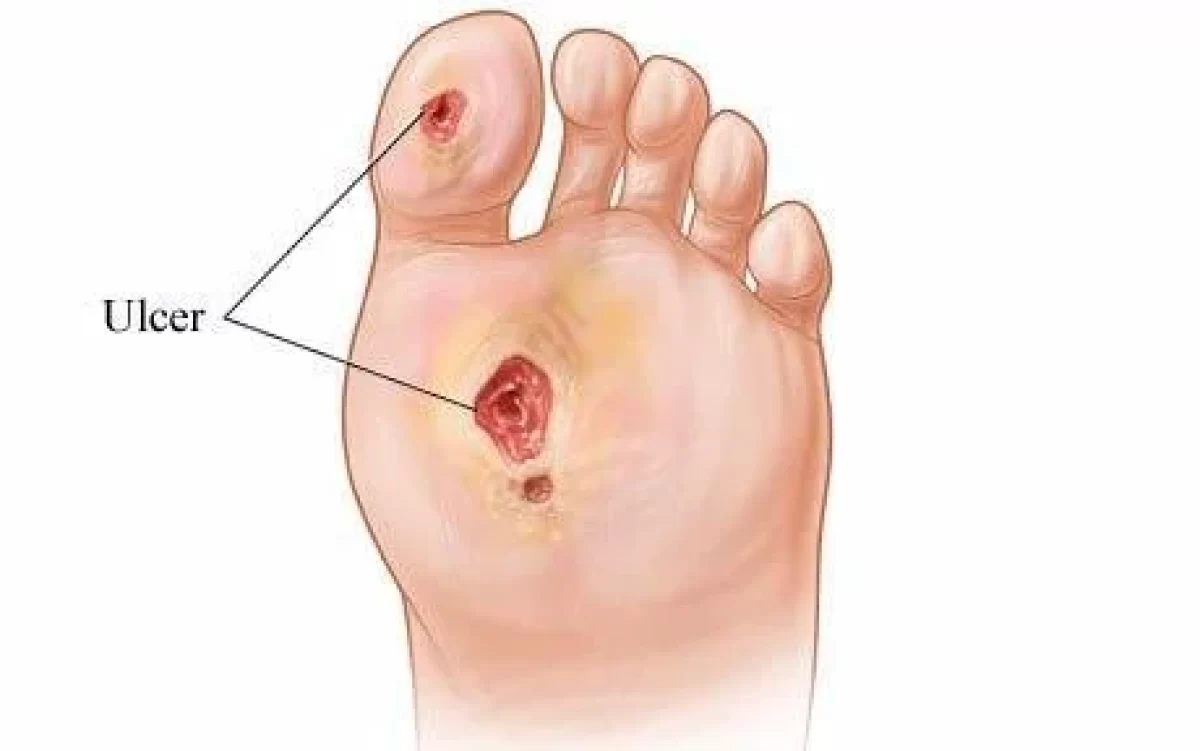
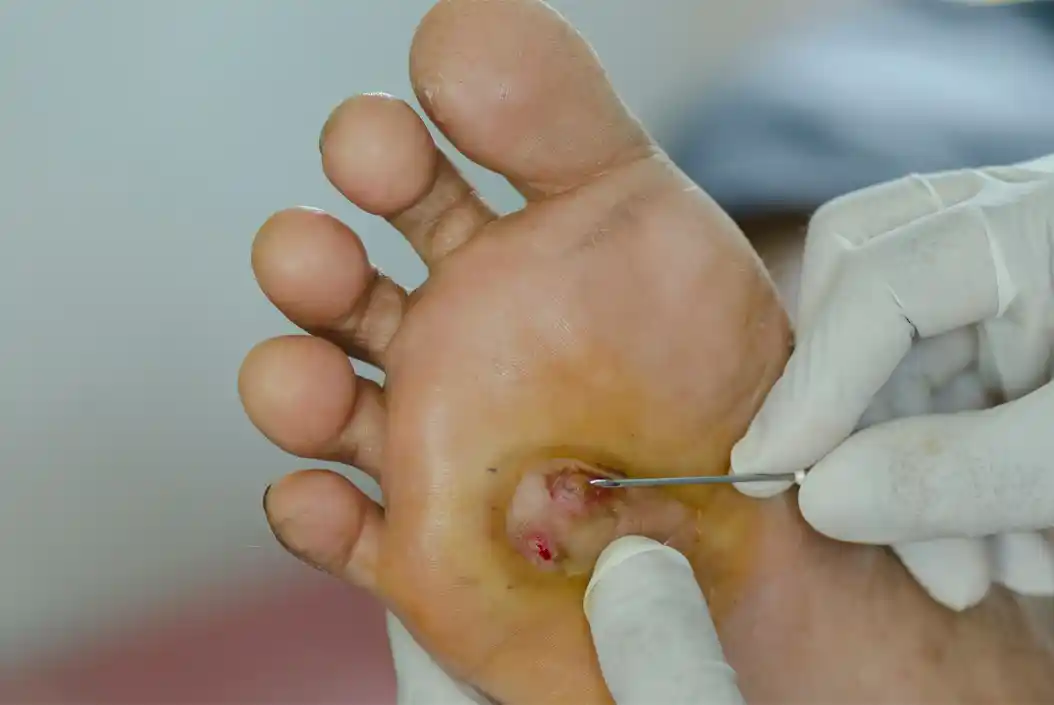
Debridement
Infected or dead tissue is carefully removed to promote healthy tissue regeneration and heal non-healing ulcers.
Minor Amputations
Removing an affected toe or partial foot to preserve maximum limb function while eliminating persistent infection.
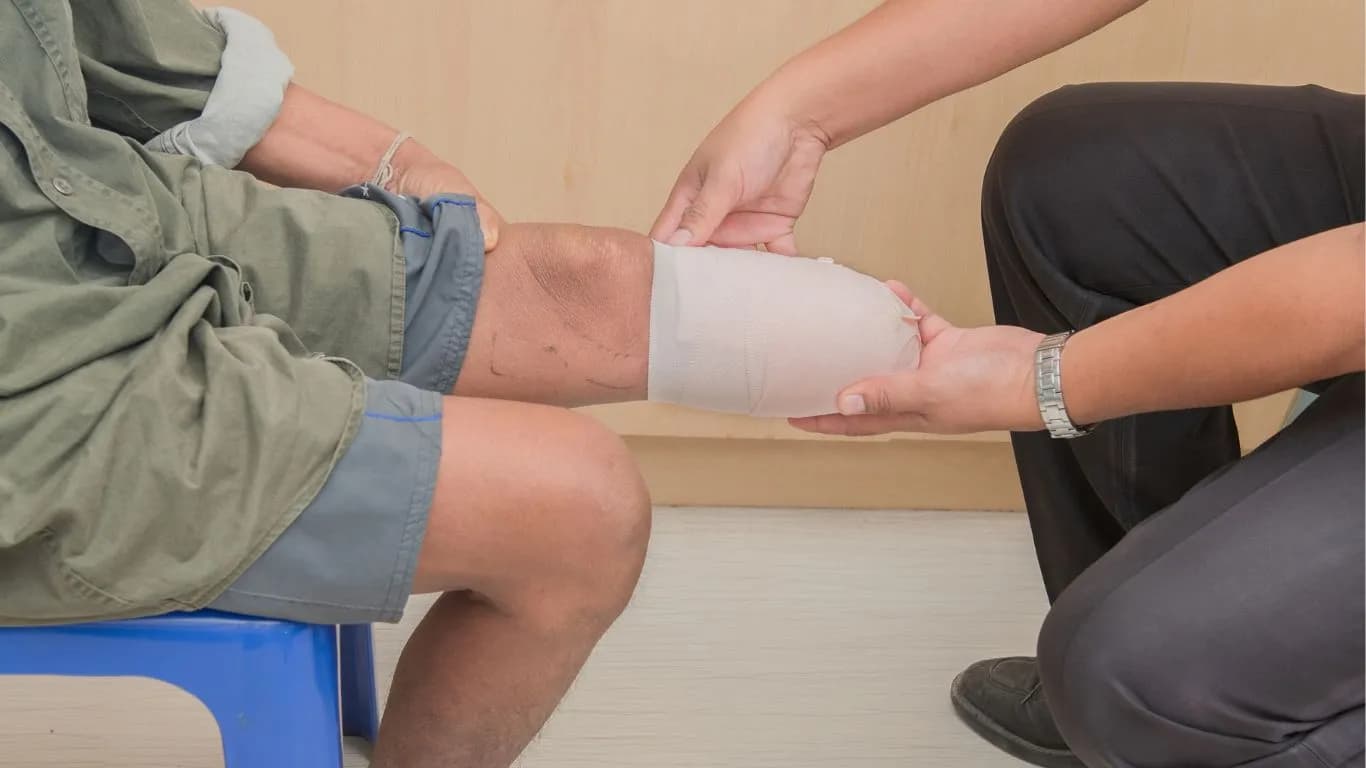
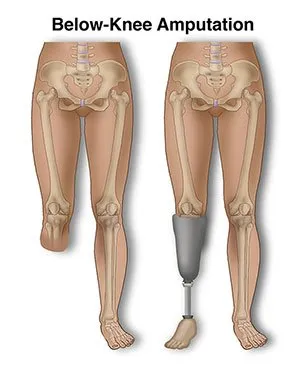
Major Amputations
Reserved for severe, irreversible cases to prevent life-threatening systemic infection from spreading.
Risks & Complications
Progression of Untreated Blockages
Untreated blockages silently accelerate severe infections, osteomyelitis, and abscess formation. Bleeding, restenosis, and rare complications like Charcot's foot, bone deformity, and joint deformity emerge post-procedure. Wound culture directs IV antibiotics precisely, managing skin infection and bone infection before irreversible damage sets in.
Severe Consequences & Recovery
Tissue death and foot gangrene represent the gravest consequences of delayed intervention, where severity of infection dictates outcomes. Complications escalating beyond control push toward amputation as a last measure. Clinical vigilance around bleeding risks and infection recurrence remains non-negotiable throughout recovery.
Why Choose Dr. Ravul Jindal for Revascularization in Mohali?
Dr. Ravul Jindal is Punjab's most trusted vascular surgeon, delivering 30+ years of specialized expertise in diabetic foot revascularization, limb salvage, and advanced endovascular care in Mohali.
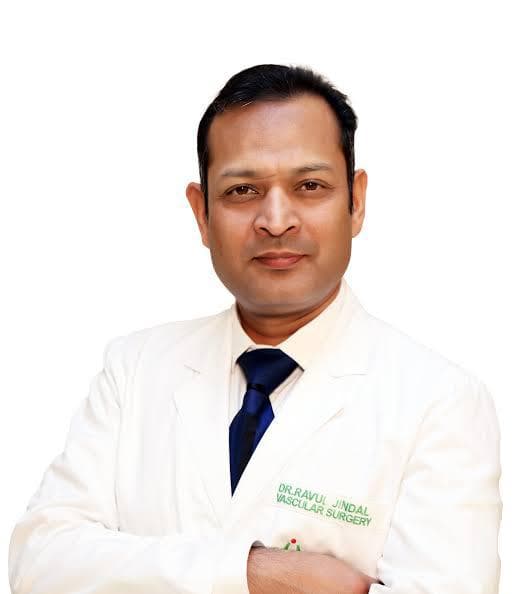
"Patients across north India choose Dr. Ravul Jindal for precise, patient-centric revascularization and comprehensive diabetic foot treatment at Fortis Mohali."
Expertise
Vascular Experience
30+ years of vascular and endovascular surgery experience
Clinical Leadership
Director and HOD, Vascular Surgery, Fortis Mohali
Global Exposure
International exposure across globally renowned medical institutions
Surgical Expertise
Expert in minimally invasive diabetic foot revascularization
Limb Salvage Specialist
Specialized in complex limb salvage and wound care
Professional Affiliations
Active member, Vascular Society of India and SVS USA
Common Questions on Revascularization for Diabetic Foot
Q1. What are revascularization procedures for diabetic foot?
Q2. Who needs revascularization for diabetic foot?
Q3. What techniques are used for diabetic foot revascularization in Mohali?
Q4. Is revascularization a painful procedure?
Q5. How long does recovery take after revascularization?
Q6. What is the cost of revascularization procedures in Mohali?
Q7. Does insurance cover revascularization procedures?
Q8. Why choose Dr. Ravul Jindal for revascularization in Mohali?
Prevent Amputation – Restore Your Health Today
Don't ignore a non-healing foot wound. Get a specialized vascular evaluation from Dr. Ravul Jindal at Fortis Hospital Mohali.