Diabetes Awareness Week 2026: Diabetic Foot Care in Mohali

Diabetes Awareness Week: A Vascular Surgeon's Guide to Diabetes, Diabetic Foot Care and Prevention
Diabetes Awareness Week (June 15–21) is a timely reminder that diabetes is no longer a distant statistic - it is one of the most common chronic conditions seen in clinics across Punjab and the Chandigarh tricity region today. As a vascular and endovascular surgeon practising in Mohali, I see the impact of unmanaged blood sugar levels first-hand, often not in the endocrinology clinic, but in the vascular lab - through diabetic foot ulcers, poor wound healing, and narrowed blood vessels. This Diabetes Awareness Week, the goal is simple: help patients in Mohali, Chandigarh and Punjab recognise diabetes early, understand its complications, and know when to seek specialist care.
Why Diabetes Awareness Week Matters
Diabetes Awareness Week exists to raise awareness of risk factors, symptoms, and early detection, because diabetes can quietly damage the eye, kidney, nerve, foot, and heart before a person feels unwell. According to the ICMR-INDIAB study, more than 10 crore Indians currently live with diabetes, with a similar number estimated to have prediabetes - many unaware of it. In clinical practice, patients often arrive only after a diabetic foot wound or vascular symptom appears, by which time vascular surgery input is already needed. Diabetes Awareness Week is therefore as much about preventative action as about getting tested.
Understanding Diabetes: Types and Risk Factors
A core message of Diabetes Awareness Week is that not all diabetes is the same - knowing your type helps guide the right screening and treatment plan.
Type 1 Diabetes
Type 1 diabetes is an autoimmune condition in which the immune system destroys insulin-producing cells in the pancreas. It typically affects people under 30, requires daily insulin, and is not caused by lifestyle factors, though healthy habits still support good blood sugar control.
Type 2 Diabetes
Type 2 diabetes is the most common type, developing when the body resists insulin or cannot produce enough insulin. Onset is usually slower and sometimes symptomless, with both lifestyle and genetics playing a role - which is why early detection through routine screening matters so much.
Gestational Diabetes
Gestational diabetes develops during pregnancydue to placental hormones causing insulin resistance, usually diagnosed between weeks 24–28. Blood sugar typically normalizes after birth, but it raises the future risk of Type 2 diabetes, so ongoing monitoring is essential.
Diabetic Foot and Vascular Complications: A Surgeon's Perspective
This is the part of Diabetes Awareness Week that, based on medical evidence and years of treating vascular patients in Mohali, deserves more attention. Prolonged high blood sugar damages nerves and blood vessels in the legs, reducing sensation and circulation. A minor cut on the foot can go unnoticed, become infected, and progress to a non-healing ulcer — a leading cause of preventable amputation.
Patients often ask why a vascular surgeon treats diabetes-related issues. The reason: diabetic foot disease is fundamentally a circulation problem. Peripheral vascular disease silently narrows the vessels supplying the foot, and revascularization - restoring blood flow through open or endovascular surgery - can often save a limb that would otherwise need amputation. Warning signs needing a prompt vascular foot check include numbness, discoloration, slow-healing wounds, and foot pain at rest.
How to Control Diabetes and Prevent Complications
One of the most practical takeaways from Diabetes Awareness Week is that most complications are preventable with consistent daily habits.
Lifestyle Changes
Lifestyle changes remain the foundation of blood sugar control: a healthy diet rich in fruit, vegetables, and whole grains, low in saturated fat and trans fat, combined with regular physical activity -around 30 minutes of moderate exercise daily- improves insulin sensitivity and supports weight management.
Medication and Monitoring
Medication, including oral medications or insulin injections, is prescribed based on individual need. Monitoring blood sugar levels through regular checks helps identify highs and lows early and guides timely adjustments.
Regular Check-Ups and Self-Management
Regular check-ups allow your doctor to monitor complications such as diabetic foot changes, while self-management education helps patients adapt treatment to their daily routine. Diabetes management is rightly described as a lifelong process requiring consistent ongoing self-monitoring.
When to See a Vascular Specialist in Mohali
If you live in Mohali, Chandigarh, or anywhere across Punjab and notice foot wounds that won't heal, leg pain on walking, or coldness in the feet, these may be early signs of vascular involvement linked to diabetes. Based on clinical experience, earlier referral to a vascular surgeon generally means more treatment options and a better chance of limb preservation. This Diabetes Awareness Week, consider booking a vascular and diabetic foot screening, particularly if you have had *** for several years or have risk factors such as smoking or high blood pressure.
Conclusion
Diabetes Awareness Week is a useful checkpoint to ask: do I know my blood sugar numbers, and have I had my feet and circulation checked recently? With early detection, consistent lifestyle changes, appropriate edication, and timely vascular care when needed, most complications of diabetes - including limb-threatening diabetic foot disease - are preventable or treatable. Use this week as the reminder to act.
Book a Consultation with Dr. Ravul Jindal - Vascular Surgeon, Fortis Hospital Mohali
Book your consultation while you read.
Recent Insights

Frequently Asked Questions
What is Diabetes Awareness Week and when is it observed?
What are the early warning signs of diabetes?
How is diabetic foot related to diabetes?
How often should a diabetic patient get their feet checked?
Related Articles

Difference Between Type 1 and Type 2 Diabetes: Causes, Symptoms and Treatment

6 Stages of Diabetic Foot: Wagner Classification

How to Control Diabetes: Essential Self-Care Tips
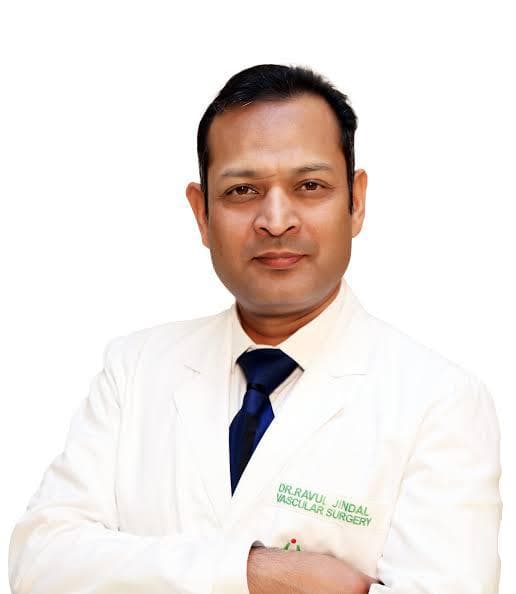
Dr. Ravul Jindal Team
Director, Vascular & Endovascular Surgery
MBBS, MS (General Surgery), FRCS (Edinburgh), DNB, FIVS (Fellow of India Vascular Surgery)
Director of Vascular Surgery at Fortis Hospital Mohali with 30+ years of experience in varicose veins, DVT, diabetic foot, and endovascular surgery.