Why Diabetes Is Called a Silent Killer | Dr. Ravul Jindal

Why Diabetes Is Called a Silent Killer
By Dr. Ravul Jindal | Senior Vascular & Endovascular Surgeon
In clinical practice, one of the most common questions patients ask during consultations is: "Doctor, I feel perfectly fine - how can I have diabetes?" This question, heard repeatedly across OPDs in India and beyond, captures the very essence of why diabetes earns the title of a silent killer. Unlike a fever or a fracture, diabetes mellitus does not announce itself loudly. It creeps in quietly, damages vital organs over years, and by the time most patients seek medical attention, the disease has already begun its silent destruction.
As a vascular surgeon, I have personally treated patients who discovered their high blood glucose levels only after suffering a heart attack, a non-healing wound, or sudden kidney failure. This is the clinical reality of diabetes in India - and it demands urgent public awareness.
What Is Diabetes and Why Does It Occur?
Diabetes is a metabolic hormonal imbalance characterized by persistently elevated blood sugar levels. Insulin, an essential hormone produced by the pancreas, regulates how the body uses and stores glucose and fat. When the production of insulin in the pancreas reduces or stops, the cells become unavailable to absorb glucose effectively. As a result, glucose begins to accumulate in the blood instead of reaching vital organs, leading to a state of hyperglycemia.
There are two primary types. Type 1 diabetes is largely diagnosed in younger people and involves an autoimmune destruction of insulin-producing cells. Type 2 diabetes, far more prevalent, has its incidence rising sharply with advancing age, poor diet, genetics, family history, and a sedentary lifestyle. According to the International Diabetes Federation (IDF), India was home to the second largest population of adults living with diabetes globally - a statistic that reflects a national health crisis requiring immediate clinical attention.
Why Is Diabetes Called a Silent Killer?
Diabetes is called a silent killer because its initial symptoms either go unnoticed or are mistaken for ordinary fatigue and lifestyle stress. The symptoms remain undiagnosed for long periods of time and only aggravate once serious organ damage has already occurred.
Based on medical evidence, diabetes is among the leading causes of death in the world, not because it is untreatable, but because it is consistently under-detected. It is a chronic condition that progressively damages the body through complications including:
Coronary heart disease Cerebro-vascular disease (stroke) Retinopathy - disease of the eye leading to blindness Nephropathy - kidney disease progressing to kidney failure Neuropathy - damage to nerves, causing pain, numbness, and loss of sensation
These complications can be prevented with a combination of regular medical care and consistent blood sugar monitoring - but only if the disease is caught in time.
Recognising the Symptoms: What Patients Often Miss
Patients often ask me why they didn't "feel" anything for years. The answer lies in how gradually diabetes progresses. Here are the warning signs that are frequently overlooked:
Excessive Thirst and Increased Urination
The kidneys work extra hard to eliminate excessive glucose from the blood, causing the patient to visit the bathroom frequently. The resulting loss of fluids triggers excessive thirst as the body tries to replenish what it loses.
Hunger, Fatigue, and Dry Mouth
Without adequate insulin, cells cannot convert consumed food into energy, leaving the body in a perpetual state of hunger and fatigue. Excessive peeing leads to poor circulation and dry mouth and skin - an early warning sign of diabetes that most people dismiss.
Slow Healing of Cuts and Wounds
In vascular surgery, this is one of the most telling signs. High blood glucose travelling through veins and arteries causes progressive damage to blood vessels, making it hard for wounds, cuts, and bruises to heal quickly. A small foot wound in a diabetic patient can escalate into a limb-threatening condition.
Weight Loss, Nausea, and Vomiting
When the body lacks insulin, it begins breaking protein from muscles as an alternative source of fuel. The kidneys also work extra hard to eliminate excessive blood glucose, causing significant loss of body fluids and weight loss. In severe cases, the body begins burning fat for energy, producing ketones that can build to dangerous levels - a life-threatening condition called diabetic ketoacidosis.
Yeast Infections
Yeast feeds on glucose. Elevated blood sugar levels allow yeast to thrive, making patients more prone to infections in moist areas such as fingers, toes, sex organs, and breasts.
How Can You Monitor Your Numbers?
As a clinician, I always tell my patients: "What you don't measure, you cannot manage." Regular monitoring is the single most powerful tool against diabetes-related complications.
Fingertip Blood Sugar Testing
Pricking your fingertip gives you average and daily blood sugar levels within 15 seconds. Fasting blood sugar should ideally remain within 80–120 mg/dl, and after meals, below 150–160 mg/dl. These targets may be tailored based on individual health conditions. Monitoring blood sugars with finger sticks guides the correct oral or insulin dosage for managing diabetes effectively.
HbA1c Blood Test
The A1C blood test measures your average blood sugar level over the last three months. An HbA1c of less than 7% is the general clinical target. A 1% decrease in A1C can meaningfully reduce diabetes-related complications. In older patients or those at risk of hypoglycaemia, targets are carefully tailored by the physician or endocrinologist.
Alternate Testing Sites
Meters can also test sites such as the thumb, arms, and thigh, though glucose levels in fingertips change more quickly - especially after meals or exercise - making them the most clinically reliable.
Patients already diagnosed with heart problems, heart attacks, or angina must not follow overly strict dietary restrictions without medical supervision, as this can aggravate the risk of heart problems.
Dietary Recommendations to Control Blood Sugar
Dietary changes are essential to control sugar and cholesterol levels. A healthy diet for diabetic patients should include:
High fiber foods and less processed foods - choose whole oranges over juice, and whole grains over refined options. Avoid fried foods, purees, and mithai. Follow a low salt diet, as excess salt accelerates blood pressure and increases the risk of cardiovascular diseases. Include a carbohydrate diet rich in carrots, beans, pumpkin, and green leafy vegetables like broccoli, cucumber, cauliflower, and tomato.
Apple cider vinegar has been shown to reduce blood glucose levels by up to 40% and improve insulin sensitivity. Cinnamon contains compounds that slow glucose absorption and increase glucose transport to cells by imitating insulin effects - making it a well-studied natural aid in fighting diabetes.
Some form of physical exercise is recommended, but patients with a sedentary lifestyle must not begin exercising aggressively, as doing so can trigger a heart attack. Identify a safe level of activity in consultation with your doctor.
Book a Consultation with Dr. Ravul Jindal - Vascular Surgeon, Fortis Hospital Mohali
Book your consultation while you read.
Recent Insights


Frequently Asked Questions
Why is diabetes referred to as a silent killer?
What are the early warning signs of diabetes that people miss?
How often should a diabetic patient check blood sugar?
Is Type 2 diabetes reversible?
What organs does diabetes damage silently?
Related Articles

Difference Between Type 1 and Type 2 Diabetes: Causes, Symptoms and Treatment

6 Stages of Diabetic Foot: Wagner Classification

How to Control Diabetes: Essential Self-Care Tips
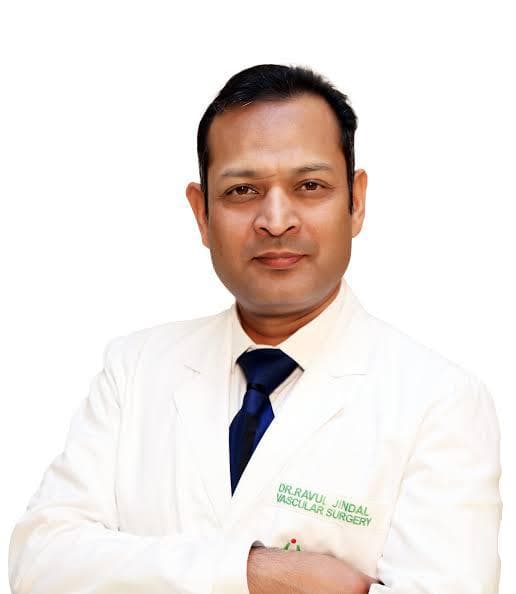
Dr. Ravul Jindal Team
Director, Vascular & Endovascular Surgery
MBBS, MS (General Surgery), FRCS (Edinburgh), DNB, FIVS (Fellow of India Vascular Surgery)
Director of Vascular Surgery at Fortis Hospital Mohali with 30+ years of experience in varicose veins, DVT, diabetic foot, and endovascular surgery.