10 Early Warning Signs of Varicose Veins: Expert Insights by Dr. Ravul Jindal

Varicose veins are more than a cosmetic concern - they can signal underlying circulatory issues that require timely medical attention. These twisted, enlarged veins usually develop in the legs and feet due to faulty vein valves, which allow blood pooling instead of smooth blood flow back to the heart. Recognising the early signs of varicose veins can help patients seek timely care, avoid complications, and protect long-term vein health.
At Dr. Ravul Jindal's practice, patients across Mohali and Chandigarh frequently present with symptoms they initially dismiss as fatigue or ageing. In clinical practice, catching these early-stage symptoms makes a significant difference in treatment outcomes and recovery time.
What Are Varicose Veins?
Varicose veins occur when the small valves inside your veins weaken or become damaged, making it difficult for blood to move upward against gravity. As a result, blood collects in the veins, causing them to swell, twist, and become visible through the skin. Though they can appear anywhere, varicose veins are most common in the lower body due to prolonged standing, walking, and gravity. Based on medical evidence, untreated early-stage symptoms can progress to pain, swelling, skin changes, and even ulcers.
10 Early Signs of Varicose Veins You Shouldn't Ignore
1. Visible Veins on Legs
The most common sign is the appearance of bulging veins or rope-like veins on the legs. They may appear blue, purple, or dark red, and often become more noticeable after long periods of standing.
2. Poor Circulation Symptoms
Some of the earliest signs of vein insufficiency include cold feet, numb feet, toes, or tingling in the legs. This happens when tissues and nerves do not receive adequate oxygen due to inadequate blood flow.
3. Heavy Legs or Leg Fatigue
Patients often ask why their legs feel tired despite adequate rest. This heaviness is caused by blood pooling and increased pressure in the veins, especially noticeable toward the end of the day.
4. Restless Legs Syndrome (RLS)
An irresistible urge to move legs, particularly at night, can interfere with sleep quality. Most patients see improvement in restlessness after appropriate varicose veins treatment.
5. Swelling and Muscle Cramps
Persistent swelling around the ankle and feet, along with night-time leg cramps in the calf or thigh, are strong indicators. This venous oedema results from build-up of fluid as blood struggles to return blood to the heart. Compression stockings work by applying steady pressure, squeezing tightest at the ankle to promote blood flow and improve circulation.
6. Burning, Throbbing, or Itchy Sensations
When pooled blood leaks into surrounding vessels, it can cause constant itching, throbbing pain, or a painful burning sensation. The skin may feel warm to touch and become dry - a symptom frequently mistaken for ordinary skin dryness, but which reflects underlying vein problems.
7. Skin Discolouration
As poor circulation progresses, skin darkening may appear around the ankles or lower legs due to blood leakage from weakened veins. The skin can also become thinner, drier, and take on a shiny appearance.
8. Warmth or Tenderness Over the Vein
An inflamed or irritated vein that feels warm, tender, or sensitive to touch may indicate superficial thrombophlebitis - a blood clot in a surface vein that warrants prompt evaluation.
9. Delayed Healing of Minor Injuries
Cuts or scrapes on the lower legs that take longer to heal may point to poor blood flow caused by varicose veins. This is especially important for patients managing diabetes or other circulatory conditions.
10. Venous Ulcers
In more advanced cases, a prolonged build-up of fluid around swollen veins can lead to venous ulcers. These typically begin as red, inflamed patches, and once the skin surface breaks down, the risk of infection rises significantly.
Serious Complications If Left Untreated
Thrombosis, including Deep Vein Thrombosis (DVT), is among the most serious risks of ignoring varicose veins. A blood clot deep inside the leg can cause painful swelling, warmth, and redness - and in rare cases, travel to the lungs, causing a pulmonary embolism. Shortness of breath, chest pain, or coughing up blood requires immediate medical attention.
May-Thurner Syndrome, where the left iliac vein is compressed by the right iliac artery, is another underlying cause of unexplained leg swelling - more common in women, particularly during pregnancy.
When to See a Doctor
If you notice persistent swelling, pain, or skin changes, it is best to seek medical advice early. In clinical practice, we often remind patients that ignoring early signs of varicose veins can allow progression to chronic venous insufficiency, skin ulcers, or deep vein thrombosis. Contrary to popular belief, modern vein treatment is simple, minimally invasive, and offers lasting relief.
Diagnosis and Treatment Options
Diagnosis typically involves a physical examination of the legs while standing, combined with a duplex ultrasound to assess blood flow and identify faulty valves.
Treatment depends on severity:
- Lifestyle changes - elevating legs, exercising, avoiding prolonged standing, and wearing compression stockings
- Minimally invasive procedures - sclerotherapy, laser therapy, or radiofrequency ablation to seal the affected vein
- Surgical options - vein stripping or ligation, reserved for severe cases
Modern techniques for patients in Mohali and Chandigarh are largely outpatient-based, requiring minimal downtime and far less recovery than traditional surgery.
Prevention Tips
While not all cases can be prevented, patients can lower risk and slow progression by:
- Staying physically active to improve circulation
- Maintaining a healthy weight to reduce pressure on the legs
- Avoiding long periods of standing or sitting
- Wearing compression stockings when recommended
- Elevating legs while resting
Conclusion
Varicose veins are far more than a cosmetic concern. From visible veins to aching, swelling, and skin changes, these early signs deserve timely attention. Prompt diagnosis and treatment can prevent complications, improve comfort, and enhance quality of life. If you're experiencing symptoms of varicose veins in Mohali, Chandigarh, or nearby areas, consult a vein specialist to explore the right treatment path for you.
Book a Consultation with Dr. Ravul Jindal - Vascular Surgeon, Fortis Hospital Mohali
Book your consultation while you read.
Recent Insights

Difference Between Type 1 and Type 2 Diabetes: Causes, Symptoms and Treatment

Diabetic Foot Ulcer: Warning Signs, Causes, and When to Seek Treatment

Blood Clot in Leg: Symptoms You Should Never Ignore

Sclerotherapy for Varicose Veins: Procedure, Benefits, and Recovery
Frequently Asked Questions
Are varicose veins only a cosmetic issue?
Can young people get varicose veins?
How are varicose veins diagnosed?
When should I see a doctor for varicose veins?
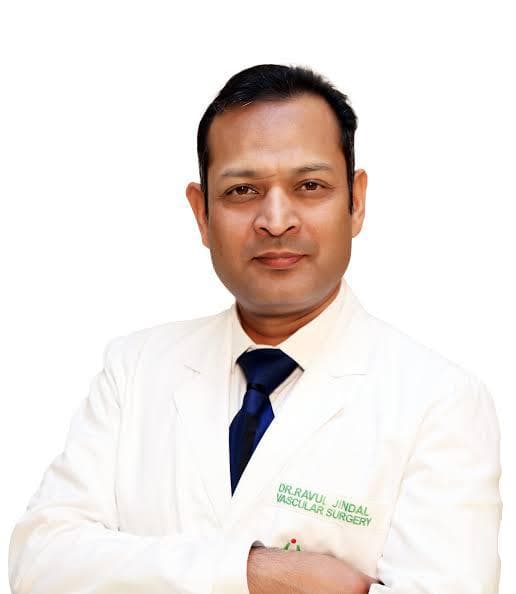
Dr. Ravul Jindal Team
Director, Vascular & Endovascular Surgery
MBBS, MS (General Surgery), FRCS (Edinburgh), DNB, FIVS (Fellow of India Vascular Surgery)
Director of Vascular Surgery at Fortis Hospital Mohali with 30+ years of experience in varicose veins, DVT, diabetic foot, and endovascular surgery.