Blood Clot in Leg: Symptoms You Should Never Ignore

A blood clot in the leg is an under-recognized warning sign patients raise in clinic, often mistaken for a pulled muscle or ordinary swelling. Left unaddressed, this condition, medically known as deep vein thrombosis (DVT), can escalate into a life-threatening pulmonary embolism if it breaks loose and travels to the lungs. In clinical practice, early recognition separates a straightforward recovery from a medical emergency. This guide covers the early symptoms, advanced warning signs, risk factors, and treatment options patients across Mohali, Chandigarh, and Punjab should know.
What Is a Blood Clot in the Leg?
It forms when blood thickens and solidifies inside a deep vein, most often in the calf or thigh, blocking normal venous return and raising pressure within the vessel. Unlike a surface-level vein issue, DVT can become dangerous if it breaks free and travels to the lungs, triggering a pulmonary embolism, a true medical emergency. Clots can also form in arteries or capillaries, but this refers specifically to the venous type, which develops quietly before symptoms intensify.
Why It Is Dangerous
Even when symptoms feel mild, the condition carries real danger. Potential complications include blocked blood flow, permanent vein damage, chronic swelling and pain, and pulmonary embolism if it dislodges. Based on medical evidence, early detection and prompt treatment substantially lower these risks, which is why one-sided leg discomfort should never be dismissed as ordinary fatigue.
Early Symptoms
Common Early Warning Signs
Early signs are frequently subtle and mistaken for muscle strain or joint stiffness. Patients often ask how to tell the difference between a cramp and a clot; the key factor is that these symptoms usually appear on one side only.
Common early symptoms include swelling in one leg, especially the calf or ankle, a feeling of tightness or pressure, mild pain that worsens with walking or standing, localized warmth, and discomfort that does not improve with rest.
Advanced or Severe Symptoms to Watch For
As it progresses, symptoms often intensify: rapidly developing swelling, persistent or worsening pain, redness or skin discoloration, warm and tender skin, and visible surface veins from blocked deep circulation. Sudden onset warrants immediate medical evaluation rather than a wait-and-see approach.
Warning Signs of a Pulmonary Embolism
When it travels to the lungs, the resulting pulmonary embolism produces distinct symptoms. Unexplained shortness of breath lasting hours, chest pain that worsens with deep breathing, coughing up blood, a racing or pounding heart rate, and low blood pressure with dizziness, sweating, or fainting are all red flags requiring emergency evaluation.
How Symptoms Differ From Varicose Veins
Blood clots and varicose veins both affect circulation but present very differently. DVT typically affects one leg, causes deep pain or pressure, includes warmth and swelling, and develops suddenly. Varicose vein symptoms, by contrast, are chronic and slow-developing, associated with heaviness that worsens by day's end, and often visible under the skin. Any sudden or severe presentation should prompt ruling out a clot before assuming a varicose vein flare-up.
Who Is at Higher Risk?
Certain risk factors significantly raise the likelihood of developing one. High-risk groups include people who sit for long periods during travel or desk work, those recovering from recent surgery or injury, pregnant or postpartum individuals, people on hormone therapy or birth control, those with obesity, smokers, individuals with a personal history of clots, patients with cancer or heart disease, and adults over age 50. Understanding personal risk factors helps guide timely evaluation, particularly for patients in Mohali and Chandigarh managing sedentary jobs or long commutes.
When to Seek Immediate Medical Attention
Some symptoms demand urgent evaluation, not routine care. Seek emergency care immediately for sudden leg swelling and pain, severe calf tenderness, skin redness with warmth, shortness of breath, or chest pain with a rapid heartbeat; these may indicate it has already reached the lungs. If symptoms of suspected DVT persist beyond a day or two, or worsen, a same-day consultation with a vascular specialist is strongly advised.
How It Is Diagnosed
Diagnosis begins with a physical examination and a detailed review of symptoms and medical history. Ultrasound imaging of the leg veins remains the most reliable diagnostic tool; it is painless, non-invasive, and confirms both presence and exact location. Blood tests may support the clinical picture in select cases.
Treatment Options
Treatment focuses on stopping growth, preventing travel to the lungs, and protecting long-term vein health. Blood-thinning medications, or anticoagulants, prevent new clots while the body gradually breaks down the existing one. Compression therapy using medical-grade stockings reduces swelling, improves circulation, and lowers the risk of post-thrombotic syndrome. Supervised movement and activity guidance often support healthy blood flow, while advanced interventional procedures are reserved for severe or high-risk cases. Ongoing monitoring and follow-up care track resolution and adjust medications as needed. Based on medical evidence, early and appropriate treatment meaningfully reduces long-term complications.
Expert Vascular Care in Mohali, Chandigarh, and Punjab
Patients experiencing these symptoms across Mohali, Chandigarh, Ludhiana, and the wider Punjab region benefit from timely evaluation by an experienced vascular and endovascular surgeon. Dr. Ravul Jindal, Director of Vascular and Endovascular Surgery, emphasizes that identifying the underlying cause of vein disease and building a personalized treatment plan are essential to protecting long-term leg circulation. Patients are encouraged to seek prompt consultation rather than waiting for symptoms to resolve on their own.
Book a Consultation with Dr. Ravul Jindal - Vascular Surgeon, Fortis Hospital Mohali
Book your consultation while you read.
Recent Insights

Difference Between Type 1 and Type 2 Diabetes: Causes, Symptoms and Treatment

Diabetic Foot Ulcer: Warning Signs, Causes, and When to Seek Treatment

Sclerotherapy for Varicose Veins: Procedure, Benefits, and Recovery

Laser Treatment for Varicose Veins: How Does EVLA Work?
Frequently Asked Questions
What does a blood clot in the leg feel like?
Can a blood clot in the leg go away on its own?
How quickly do symptoms appear?
How are blood clots in the leg treated?
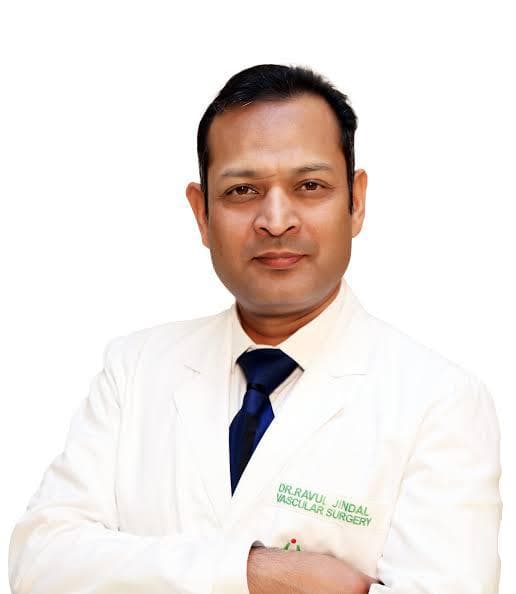
Dr. Ravul Jindal Team
Director, Vascular & Endovascular Surgery
MBBS, MS (General Surgery), FRCS (Edinburgh), DNB, FIVS (Fellow of India Vascular Surgery)
Director of Vascular Surgery at Fortis Hospital Mohali with 30+ years of experience in varicose veins, DVT, diabetic foot, and endovascular surgery.