5 Daily Habits That Improve Blood Flow

5 Daily Habits That Improve Blood Flow
Good blood flow is something most people only think about after it starts causing problems - cold feet, heavy legs, or unexplained swelling by the end of the day. In clinical practice, I see patients across Mohali, Chandigarh, and Ludhiana who dismiss these signs for months before asking a vascular surgeon about them. Your circulatory system works around the clock, carrying oxygen and nutrients to every tissue while clearing away waste. When blood flow slows down, the effects show up early - tired legs, cold hands, or a heavy feeling after standing - long before a serious vascular condition develops. The good news is that you can improve blood flow naturally, and doing so is largely within your control. Small, consistent daily habits can protect your vascular health for decades and keep blood flow working the way it should. Below are five habits I recommend most often to patients in Punjab, based on medical evidence and years of hands-on vascular practice.
1. Stay Physically Active Every Day
Movement is the single most effective way to boost circulation and support natural blood flow to the legs and arms. Every time you walk, stretch, or use your leg muscles, your calf muscles act like a secondary pump, pushing blood back toward the heart through your veins. Patients often ask if a formal gym routine is required - it isn't. Aerobic exercise such as brisk walking, cycling, or swimming for 20–30 minutes most days is enough to strengthen the heart and keep blood vessels flexible, which in turn supports healthier blood flow throughout the body.
Simple strength exercises - squats, calf raises, or wall push-ups - activate the leg muscles that help move blood upward against gravity. Gentle morning stretching or yoga also loosens joints and encourages steady circulation before the day's activity begins.
Break Up Long Periods of Sitting
Desk jobs and long commutes across cities like Chandigarh mean many patients sit for eight or more hours a day. Prolonged sitting is one of the most common causes of poor circulation and early varicose veins that I see in clinic. Stand or walk for a few minutes every 30–60 minutes, do ankle circles or calf raises while seated, and try light stretching between tasks. These small movement breaks reduce stiffness and keep venous return working efficiently, even on busy workdays.
2. Eat a Circulation-Friendly Diet
Nutrition directly affects vessel health. A balanced diet rich in leafy greens, berries, citrus fruits, nuts, seeds, and oily fish like salmon supplies antioxidants and omega-3 fatty acids that reduce inflammation and help keep vessel walls flexible. Whole grains and lean proteins support balanced cholesterol, while cutting back on ultra-processed and high-sodium foods helps lower blood pressure and reduce water retention in the legs.
Based on medical evidence, even modest dietary changes - such as adding one serving of leafy greens daily or replacing packaged snacks with nuts - can measurably support flexible blood vessels and heart health over a few months. I often tell patients that food is one of the few daily habits that improves both circulation health and long-term cardiovascular risk at the same time, and better nutrition consistently translates into better blood flow over the following weeks.
Stay Hydrated Throughout the Day
Hydration deserves its own mention because it's so often overlooked. Water keeps blood at the right blood viscosity, allowing it to move smoothly through vessels instead of thickening and slowing down. Drink a glass of water on waking, sip fluids steadily through the day rather than all at once, and increase intake during and after exercise or in Punjab's hot summer months.
3. Manage Stress and Prioritize Sleep
Chronic stress raises blood pressure and can constrict blood vessels, directly working against everything else you do to support circulation. Deep breathing, short walks, journaling, or even ten minutes of quiet time can calm the nervous system and ease vascular tension. Patients who build a short daily stress-relief habit - even just before bed - often report feeling less heaviness in their legs within weeks.
Get Consistent, Quality Sleep
Sleep is when blood vessels repair and regenerate. A steady sleep schedule, a cool and dark bedroom, and a calm wind-down routine all support this recovery process. Going to bed and waking at consistent times helps maintain the hormonal balance that underlies healthy cardiovascular health, not just circulation.
4. Support Circulation with Smart Habits: Weight, Smoking, and Compression
Maintaining a healthy weight reduces strain on both the heart and the vein valves in your legs. Excess body weight forces the heart to work harder to pump blood throughout the body, and it can weaken the one-way valves that keep blood flowing upward from the legs. Combining regular physical activity with the diet habits above is the most sustainable way to manage weight long-term.
Smoking is one of the most direct causes of vascular damage I discuss with patients. It constricts blood vessels, reduces oxygen delivery, and significantly raises the risk of peripheral artery disease (PAD) and worsening varicose veins. Quitting smoking, at any age, measurably improves circulation and wound healing.
When to Consider Compression Garments
For patients who stand or sit for long periods, travel frequently, or already show signs of leg swelling or varicose veins, compression socks can help push blood back toward the heart and reduce fluid retention. I recommend discussing compression garments with a vascular specialist rather than choosing them without guidance, since the right pressure level depends on your specific vein health.
5. Know the Early Warning Signs and When to See a Vascular Surgeon
Daily habits go a long way, but they don't replace medical evaluation when symptoms appear. Early signs of poor circulation include cold hands or feet, leg heaviness after standing, mild ankle swelling, tingling or numbness, and unusual tiredness during light activity. In my clinical experience treating patients across Mohali and greater Punjab, these symptoms are often dismissed as normal fatigue until they progress.
You should seek medical care promptly if you notice new or worsening numbness, persistent pain, sudden changes in skin color, wounds on the legs or feet that won't heal, or swelling that doesn't improve with rest. As Director of Vascular and Endovascular Surgery, I recommend a vascular evaluation - which may include a Doppler ultrasound or other noninvasive testing - for anyone with these warning signs, rather than waiting for symptoms to worsen. For patients with diabetes, this is especially important, since reduced circulation to the feet increases the risk of slow-healing wounds and diabetic foot complications.
Building these five habits - staying active, eating well, managing stress and sleep, addressing weight and smoking, and recognizing warning signs early - gives your circulatory system the daily support it needs to function well over the long term. None of these habits require drastic lifestyle changes; consistency matters far more than intensity. Even small, sustained adjustments made over a few weeks can meaningfully improve how your legs feel by the end of the day. If you're in Mohali, Chandigarh,in Punjab and have been living with cold feet, leg swelling, or heaviness that doesn't go away, it's worth having your vascular health properly assessed by a specialist rather than guessing at the underlying cause.
Book a Consultation with Dr. Ravul Jindal - Vascular Surgeon, Fortis Hospital Mohali
Book your consultation while you read.
Recent Insights

Difference Between Type 1 and Type 2 Diabetes: Causes, Symptoms and Treatment

Diabetic Foot Ulcer: Warning Signs, Causes, and When to Seek Treatment

Blood Clot in Leg: Symptoms You Should Never Ignore

Sclerotherapy for Varicose Veins: Procedure, Benefits, and Recovery
Frequently Asked Questions
What is the fastest way to improve blood flow in the legs?
Which foods improve blood flow naturally?
Does poor blood flow cause cold hands and feet?
How does smoking affect blood circulation?
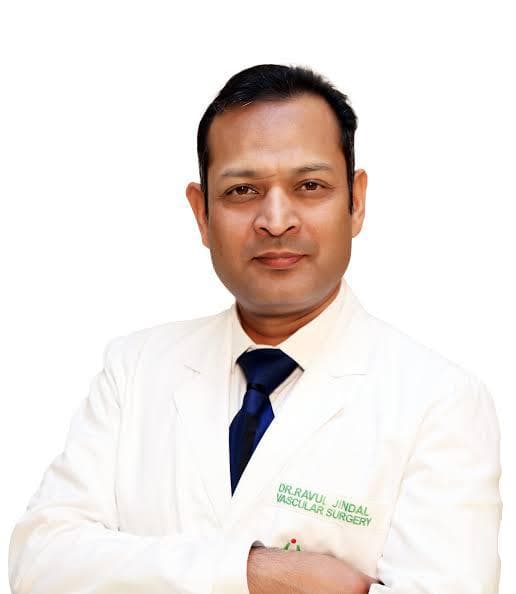
Dr. Ravul Jindal Team
Director, Vascular & Endovascular Surgery
MBBS, MS (General Surgery), FRCS (Edinburgh), DNB, FIVS (Fellow of India Vascular Surgery)
Director of Vascular Surgery at Fortis Hospital Mohali with 30+ years of experience in varicose veins, DVT, diabetic foot, and endovascular surgery.