Best Treatment for Varicose Veins: A Comprehensive Guide to Modern Solutions

Best Treatment for Varicose Veins: A Comprehensive Guide to Modern Solutions
Varicose veins are a common circulatory condition affecting millions of people worldwide. If you're experiencing symptoms like swelling, discomfort, or cosmetic concerns, understanding the best treatment for varicose veins is essential for making informed medical decisions. Unlike the past when vein stripping surgery was the only option available, today's medical landscape offers multiple non-invasive options that deliver excellent results with minimal downtime.
Understanding Varicose Veins and Treatment Goals
For years, treating varicose veins required invasive surgical intervention that involved significant recovery periods and potential complications. The traditional approach involved vein removal through procedures like vein stripping, which necessitated an overnight hospital stay, general anaesthesia, and carried risks of invasive surgery complications. Patients often experienced scars on the legs and faced a high rate of recurrence where veins come back after treatment.
The primary goals of modern varicose vein treatment are to reduce symptoms, prevent complications, and improve both appearance and quality of life. Whether you're concerned about painful symptoms, blood clotting, swelling, skin barrier breakdown, or open sores, a phlebologist can help determine the most appropriate medical intervention for your specific condition.
Sclerotherapy: Minimally Invasive Treatment Option
Sclerotherapy remains one of the most effective and popular best treatments for varicose veins, particularly for smaller varicose veins and spider veins. This procedure involves injecting a special solution into the affected vein, triggering a biochemical reaction along the vein wall. The chemical causes the vein to collapse instantly and harden over in a process called sclerosis. Over several months, your body gradually absorbs the treated vein tissue as the vessel fades away.
For small veins, sclerotherapy proves exceptionally effective, though results vary based on individual vein characteristics. The procedure causes the inside lining of the vein to sustain damage, ultimately causing it to close permanently.
Ultrasound Guided Sclerotherapy (UGS): Enhanced Precision
Ultrasound guided sclerotherapy represents an advancement in sclerotherapy technology, offering increased success and increased safety compared to traditional approaches. This technique uses ultrasound guidance to accurately place the injecting needle into the diseased vein, ensuring the sclerosant solution reaches exactly where it needs to go. By combining ultrasound used during injection, practitioners achieve a new standard of varicose vein therapy and establish a higher standard of care that maximizes therapeutic outcomes.
Laser Treatment and Endovenous Laser Ablation (EVLA)
Laser treatment for varicose veins represents an excellent alternative to traditional surgical vein stripping. Endovenous laser ablation (EVLA) is particularly valuable for treating large internal saphenous veins, including the great saphenous veins and small saphenous veins that feed surface veins visible to the naked eye.
As a simple procedure performed under local anaesthetic, EVLA uses ultrasound guidance to place a laser fiber precisely inside the problem vein. When activated, the laser damages the interior wall of the vessel, causing it to collapse on itself and seal closed. Unlike older surgical methods, EVLA leaves no scars, making it an attractive option for patients concerned with cosmetic outcomes.
Simple laser therapy works differently for small veins close to the skin, such as spider veins, where the laser is used outside the skin. Endovenous laser therapy with the laser fiber inserted into deeper vessels allows for laser ablation inside the vein to close up problematic vessels effectively.
Radiofrequency Ablation (RFA): Gentle Heating Technology
Radiofrequency ablation functions similarly to EVLA by heating saphenous veins from within, yet offers a gentler approach using electromagnetic waves instead of laser energy. Also performed under local anaesthetic, RFA provides no scarring and no downtime, allowing patients to resume normal activities immediately.
The primary advantage of radiofrequency energy is delivering less discomfort to patients compared to laser procedures. By using controlled thermal energy inside the vein to scar and close off the vessel, this technique effectively treats large varicose veins in the leg while minimizing patient pain and recovery requirements.
Phlebectomy and Small Incision Avulsion Techniques
Phlebectomy, also called stab avulsion or small incision avulsion, involves making tiny cuts in the skin through which the varicose vein is removed. Ambulatory phlebectomy is a minimally invasive procedure utilizing multiple small incisions for precise vein extraction. This technique works well for surface-level varicose veins and can be combined with other treatments for comprehensive results.
Transilluminated powered phlebectomy represents an advanced technique and treatment option that uses specialized equipment to visualize and remove problematic veins through minimal incisions.
Ligation and Stripping: Traditional Surgical Approach
Traditional vein removal through ligation and stripping involves making incisions over the varicose vein, then having the vessel tied off (ligated) and removed (stripped). While this surgical procedure successfully treats varicose veins, it typically requires more recovery time compared to modern alternatives and carries higher risks of scarring.
Home Treatment and Conservative Management
For mild cases or as complementary therapy, home treatment should be your first approach. Conservative measures include wearing compression stockings that provide sustained pressure, elevating your legs periodically throughout the day, avoiding long periods of sitting or standing, and getting plenty of exercise. These strategies help ease symptoms and keep varicose veins from getting worse, making them valuable self-management options alongside professional interventions.
Treatment Based on Vein Size and Characteristics
The size of varicose veins significantly affects treatment options available to you. Larger varicose veins typically respond best to ligation and stripping, laser treatment, or radiofrequency treatment, with many cases benefiting from a combination of treatments for optimal results.
Smaller varicose veins and spider veins are usually treated effectively with sclerotherapy or laser therapy applied to the skin surface. This size-based approach ensures each patient receives the most appropriate intervention for their specific vein pathology.
Natural Remedies: Important Considerations
While lotions, supplements, and natural remedies claiming to cure varicose veins abound online, scientific evidence doesn't support their effectiveness. Popular ingredients like flavonoids (food extracts) such as grape seed extract, horse chestnut extract, pot marigold, prickly ash, and butcher's broom root show little-to-no efficacy in clinical studies. These products cannot provide permanent treatment for diseased veins and don't work as standalone solutions, though they may help manage minor symptoms.
Complications of Untreated Varicose Veins
Leaving varicose veins untreated allows the condition to deteriorate, potentially leading to serious complications. Severe vein disease may result in blood clotting, excessive swelling, skin barrier breakdown, open sores, and secondary infections. A careful assessment of your venous problem through ultrasound examination and discussion with a qualified phlebologist is essential for determining whether medical intervention is necessary.
Choosing Your Best Treatment Option
The best treatments for varicose veins include sclerotherapy, ultrasound guided sclerotherapy, and endovenous laser ablation, with your phlebologist helping you choose the right treatment based on clinical findings and personal goals. Varicose veins cannot heal on their own, making medical intervention necessary to achieve lasting relief and prevent complications. A comprehensive consultation involving ultrasound examination and expert assessment ensures you receive personalized recommendations aligned with your condition severity, cosmetic concerns, and lifestyle requirements.
Book a Consultation with Dr. Ravul Jindal - Vascular Surgeon, Fortis Hospital Mohali
Book your consultation while you read.
Recent Insights

Difference Between Type 1 and Type 2 Diabetes: Causes, Symptoms and Treatment

Diabetic Foot Ulcer: Warning Signs, Causes, and When to Seek Treatment

Blood Clot in Leg: Symptoms You Should Never Ignore

Sclerotherapy for Varicose Veins: Procedure, Benefits, and Recovery
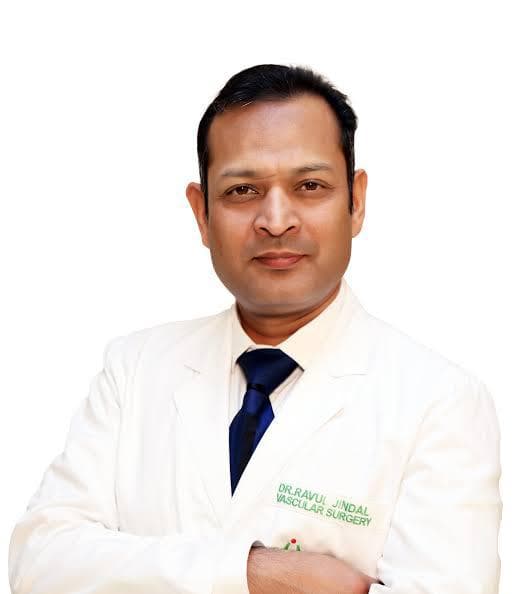
Dr. Ravul Jindal Team
Director, Vascular & Endovascular Surgery
MBBS, MS (General Surgery), FRCS (Edinburgh), DNB, FIVS (Fellow of India Vascular Surgery)
Director of Vascular Surgery at Fortis Hospital Mohali with 30+ years of experience in varicose veins, DVT, diabetic foot, and endovascular surgery.