Deep Vein Thrombosis (DVT): Symptoms & Causes Every Patient Should Know

Deep Vein Thrombosis (DVT): Symptoms & Causes Every Patient Should Know
Deep Vein Thrombosis (DVT) occurs when a blood clot, medically known as a thrombus, forms inside one of the deep veins of the body, most often in the calf, thigh, or pelvis. This condition can develop silently, sometimes with no noticeable symptoms, or it can present with sudden leg swelling and pain. In clinical practice, this condition is one of the most under-recognized vascular problems, and patients often ask why a simple blood clot in the leg can become life-threatening. The answer lies in its complication: if the clot breaks loose and travels through the bloodstream to the lungs, it causes a pulmonary embolism, a medical emergency that requires immediate treatment.
As a vascular and endovascular surgeon serving patients across Chandigarh, Mohali, and greater Punjab, Dr. Ravul Jindal frequently evaluates patients with unexplained leg swelling, warmth, or discoloration that turns out to be DVT. Early recognition of its symptoms and understanding its underlying causes can prevent dangerous complications such as venous thromboembolism (VTE) and post-thrombotic syndrome.
What Is Deep Vein Thrombosis?
This condition is a blood clotting disorder in which a thrombus forms within the deep veins, most commonly in the legs, though it can also occur in the arm, abdomen, or even the brain in rare cases. When blood flow slows down or blood vessels are injured, the risk of clot formation increases. Based on medical evidence, DVT and pulmonary embolism together are classified as venous thromboembolism, a condition responsible for a significant number of preventable hospital-related deaths worldwide.
Symptoms of Deep Vein Thrombosis
Recognizing the symptoms early is critical for timely diagnosis. Common symptoms include:
- Leg swelling, often sudden and on one side only
- Leg pain, cramping, or soreness that typically starts in the calf and worsens with standing or walking
- Warmth in the affected leg or arm
- Skin discoloration, appearing red, purple, or otherwise different from the surrounding skin
- Larger-than-normal veins visible near the skin's surface
- Abdominal or flank pain when clots affect deep abdominal veins
- Severe, sudden headache, vision changes, or seizures when clots affect the brain's veins
Some patients experience no noticeable symptoms at all, which makes routine vascular check-ups essential for those with known risk factors. In clinical practice, we advise patients not to ignore even mild calf swelling, especially after long-distance travel or a recent surgery.
When Symptoms Signal an Emergency
If these symptoms are accompanied by sudden shortness of breath, chest pain that worsens with breathing or coughing, a rapid pulse, rapid breathing, lightheadedness, fainting, or coughing up blood, this may indicate a pulmonary embolism. This is a life-threatening complication requiring emergency medical help without delay.
Causes of Deep Vein Thrombosis
The underlying causes generally fall into three categories: slow blood flow, vein wall injury, and increased blood clotting tendency. Anything that prevents blood from flowing normally or clotting properly can trigger thrombus formation. Damage to a vein from surgery, inflammation, infection, or injury is among the most common causes seen in clinical settings. Prolonged inactivity, such as sitting for more than four hours during travel by car, bus, train, or airplane, or extended bed rest following a hospital stay, illness, or accident, also significantly raises the risk of blood clot formation.
Risk Factors for DVT
Multiple risk factors can increase a person's chances of developing this condition, and having more than one compounds the danger. Key risk factors include:
- Age above 40 to 60 years, though DVT can occur at any age
- Prolonged lack of movement, including long flights, drives, or bed rest
- Recent injury or surgery
- Pregnancy and the postpartum period, due to increased pressure in pelvic veins
- Use of birth control pills or hormone replacement therapy
- Obesity or being overweight
- Smoking and other tobacco use
- Cancer and certain chemotherapy treatments
- Heart failure, autoimmune disease, lung disease, or kidney disease
- High blood pressure or diabetes
- Varicose veins
- Inflammatory bowel disease, such as Crohn's disease or ulcerative colitis
- Personal or family history of DVT or pulmonary embolism
- Inherited clotting disorders, such as factor V Leiden, which alter clotting factors in the blood
Sometimes a blood clot develops with no identifiable risk factor, referred to as unprovoked venous thromboembolism. Patients often ask whether genetics alone can cause it; while inherited disorders raise susceptibility, they usually combine with other risk factors before a clot actually forms.
Complications of Deep Vein Thrombosis
Left untreated, this condition can lead to serious complications:
- Pulmonary embolism (PE): A blood clot breaks free and lodges in a lung blood vessel, causing sudden shortness of breath, chest pain, rapid pulse, and potentially fatal blockage of blood flow.
- Post-thrombotic syndrome: Damage to vein valves and the inner lining causes blood pooling, increased venous pressure, and long-term leg pain, swelling, and skin changes.
- Treatment-related bleeding: Blood thinners used to manage it can cause hemorrhage, making regular blood tests essential during treatment.
Prevention Tips for Deep Vein Thrombosis
Simple lifestyle changes can meaningfully lower this risk:
- Move your legs regularly, especially after surgery or during long-distance travel
- Avoid crossing your legs while sitting for extended periods
- Take walking breaks every hour during road trips, or stand and stretch during flights
- Stay well hydrated, particularly while traveling
- Avoid smoking and tobacco products
- Maintain a healthy weight through regular exercise and nutritious foods
- Wear compression stockings if advised after surgery or during high-risk periods
- Aim for at least 30 minutes of moderate physical activity daily
DVT Care in Chandigarh and Mohali
For patients in Chandigarh, Mohali, and surrounding parts of Punjab, timely vascular evaluation makes a significant difference in outcomes. Dr. Ravul Jindal, Director of Vascular and Endovascular Surgery at Fortis Hospital, Mohali, emphasizes that early diagnosis through vascular ultrasound and prompt initiation of anticoagulant therapy can prevent complications like pulmonary embolism and post-thrombotic syndrome. Patients experiencing unexplained leg swelling, warmth, or pain are encouraged to seek prompt vascular consultation rather than waiting for symptoms to resolve on their own.
Book a Consultation with Dr. Ravul Jindal - Vascular Surgeon, Fortis Hospital Mohali
Book your consultation while you read.
Recent Insights

Difference Between Type 1 and Type 2 Diabetes: Causes, Symptoms and Treatment

Diabetic Foot Ulcer: Warning Signs, Causes, and When to Seek Treatment

Blood Clot in Leg: Symptoms You Should Never Ignore

Sclerotherapy for Varicose Veins: Procedure, Benefits, and Recovery
Frequently Asked Questions
What is the first sign of Deep Vein Thrombosis?
What are the main causes of DVT?
Who is most at risk of developing DVT?
How is DVT different from a pulmonary embolism?
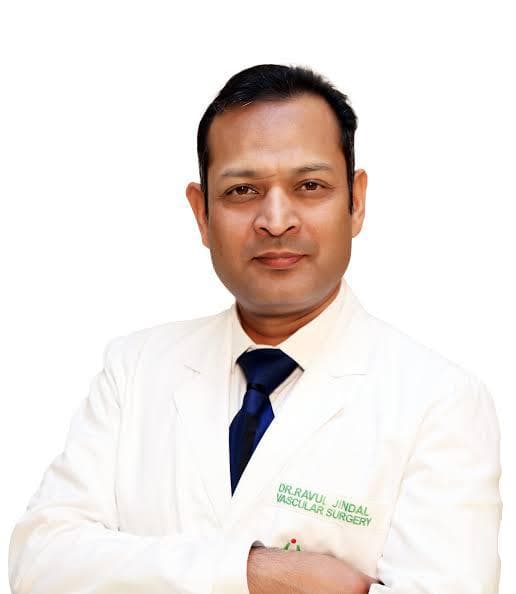
Dr. Ravul Jindal Team
Director, Vascular & Endovascular Surgery
MBBS, MS (General Surgery), FRCS (Edinburgh), DNB, FIVS (Fellow of India Vascular Surgery)
Director of Vascular Surgery at Fortis Hospital Mohali with 30+ years of experience in varicose veins, DVT, diabetic foot, and endovascular surgery.