Common Varicose Veins Symptoms Explained

What Are the Most Common Varicose Veins Symptoms?
Varicose veins are more than just a cosmetic concern. Millions of people worldwide live with this chronic venous condition, yet many dismiss the early warning signs as simple fatigue or aging. Understanding varicose veins symptoms early can make a significant difference in preventing complications and improving quality of life.
Whether you've noticed bulging blue veins on your legs or experience unexplained heaviness after long hours of standing, this guide will walk you through every key symptom, what causes them, and when it's time to consult a vascular specialist.
What Are Varicose Veins?
Varicose veins are enlarged, twisted, and swollen veins that appear most commonly in the legs and feet. They develop when the one-way valves inside the veins become weak or damaged, causing blood to pool instead of flowing efficiently back to the heart. This increased venous pressure leads to the characteristic bulging appearance and a range of uncomfortable symptoms.
Varicose veins differ from spider veins — the smaller, web-like clusters of red or blue vessels visible beneath the skin — though both fall under the broader category of Chronic Venous Insufficiency (CVI).
Most Common Varicose Veins Symptoms
1. Visibly Twisted, Bulging Veins
The most recognizable symptom of varicose veins is the appearance of dark purple or blue veins that bulge visibly beneath the skin surface. These veins often look cord-like or rope-like and may twist or turn in irregular patterns.
They are most commonly seen on:
- Back of the calves
- Inner legs
- Thighs
2. Leg Pain and Aching Discomfort
One of the earliest and most overlooked varicose veins symptoms is a persistent dull ache or throbbing pain in the legs.
This discomfort often:
- Worsens after prolonged standing or sitting
- Improves with walking or leg elevation
- Feels heavy, burning, or cramp-like
Many patients initially mistake this discomfort for normal muscle fatigue.
3. Leg Heaviness and Fatigue
Feeling like your legs are carrying extra weight — especially at the end of the day — is a hallmark symptom of venous insufficiency.
This heaviness occurs because pooled blood increases pressure within the leg veins. It is particularly common among:
- Teachers
- Nurses
- Retail workers
- Factory employees
- People with long standing jobs
4. Swelling in the Legs and Ankles (Edema)
Chronic swelling, medically known as edema, is another important symptom of varicose veins.
When blood pools in the lower extremities, fluid leaks into surrounding tissues, causing:
- Puffiness around the ankles
- Tightness in the lower legs
- Swelling that worsens in hot weather
- Increased swelling after long inactivity
5. Itching and Skin Irritation Around Veins
Many people with varicose veins experience:
- Itching
- Tingling
- Burning sensations around visible veins
This symptom is often associated with venous eczema or stasis dermatitis, where poor circulation triggers inflammation in nearby skin tissues.
Without treatment, irritation may worsen over time.
6. Skin Discoloration and Texture Changes
As varicose veins progress, the skin around affected areas may undergo visible changes such as:
- Reddish-brown discoloration
- Yellowish-brown patches
- Dry and flaky skin
- Thickened skin (lipodermatosclerosis)
These changes are warning signs of advancing chronic venous disease and should not be ignored.
7. Muscle Cramps and Restless Leg Sensation
Nocturnal leg cramps are frequently reported by individuals with varicose veins.
Some patients also experience:
- Restless Leg Syndrome (RLS)
- Tingling sensations
- An uncontrollable urge to move the legs
These symptoms are linked to poor venous circulation and reduced oxygen delivery to leg muscles.
8. Bleeding Varicose Veins
In advanced cases, varicose veins may bleed even after minor trauma or pressure.
Because these veins sit close to the skin surface under high pressure, they are vulnerable to rupture. Bleeding varicose veins require immediate medical attention.
Varicose Veins Symptoms vs. Spider Veins
Although spider veins and varicose veins share similar causes, their symptoms differ significantly.
| Spider Veins | Varicose Veins |
|---|---|
| Flat and thin | Raised and bulging |
| Mostly cosmetic | Often painful |
| Rarely cause swelling | Commonly associated with swelling |
| Minimal discomfort | Aching, heaviness, cramps |
| Less severe | Can lead to complications |
If your symptoms include pain, swelling, or skin changes, varicose veins are more likely the issue.
When Do Varicose Veins Symptoms Worsen?
Several factors can aggravate varicose veins symptoms:
- Prolonged standing or sitting — reduces blood circulation
- Hot weather — causes veins to dilate
- Pregnancy — increases blood volume and vein pressure
- Obesity — adds pressure on leg veins
- Hormonal changes — can weaken vein walls
Understanding these triggers can help reduce symptom progression.
Potential Complications of Untreated Varicose Veins
If left untreated, varicose veins can progress into serious vascular complications, including:
Deep Vein Thrombosis (DVT)
A dangerous blood clot forming in deeper leg veins.
Venous Leg Ulcers
Painful non-healing wounds near the ankles caused by poor circulation.
Superficial Thrombophlebitis
Inflammation and clotting in superficial veins, causing redness and tenderness.
Chronic Venous Insufficiency (CVI)
A progressive condition leading to:
- Persistent swelling
- Skin damage
- Venous ulcers
- Reduced quality of life
Early recognition of symptoms can help prevent these complications.
When to See a Doctor
Consult a vascular specialist if you experience:
- Painful bulging veins
- Persistent leg swelling
- Skin discoloration
- Open sores near the ankles
- Sudden severe leg pain or redness
- Bleeding from varicose veins
- Symptoms affecting sleep or daily activities
A Doppler ultrasound is commonly used to evaluate blood flow and diagnose venous valve damage.
Managing Varicose Veins Symptoms
While varicose veins cannot always be prevented, symptoms can often be managed effectively through lifestyle changes and modern treatments.
Compression Stockings
Compression therapy improves blood circulation and reduces swelling.
Leg Elevation
Keeping legs elevated helps decrease venous pressure.
Regular Exercise
Low-impact activities such as:
- Walking
- Swimming
- Cycling
help strengthen calf muscles and support healthy blood flow.
Weight Management
Maintaining a healthy weight reduces strain on leg veins.
Minimally Invasive Treatments
Advanced vein treatments include:
- Endovenous Laser Ablation (EVLA)
- Radiofrequency Ablation (RFA)
- Sclerotherapy
These procedures provide effective symptom relief with minimal downtime.
Conclusion
Varicose veins symptoms range from mild cosmetic concerns to serious complications involving pain, swelling, skin damage, and impaired circulation.
Recognizing warning signs early — such as bulging veins, leg heaviness, cramps, itching, and skin discoloration — can help you seek timely treatment and avoid long-term complications.
If you or a loved one notice these symptoms, don’t ignore them as a normal part of aging. Consulting a vein specialist early can lead to better circulation, healthier legs, and improved quality of life.
Book a Consultation with Dr. Ravul Jindal - Vascular Surgeon, Fortis Hospital Mohali
Book your consultation while you read.
Recent Insights

Difference Between Type 1 and Type 2 Diabetes: Causes, Symptoms and Treatment

Diabetic Foot Ulcer: Warning Signs, Causes, and When to Seek Treatment

Blood Clot in Leg: Symptoms You Should Never Ignore

Sclerotherapy for Varicose Veins: Procedure, Benefits, and Recovery
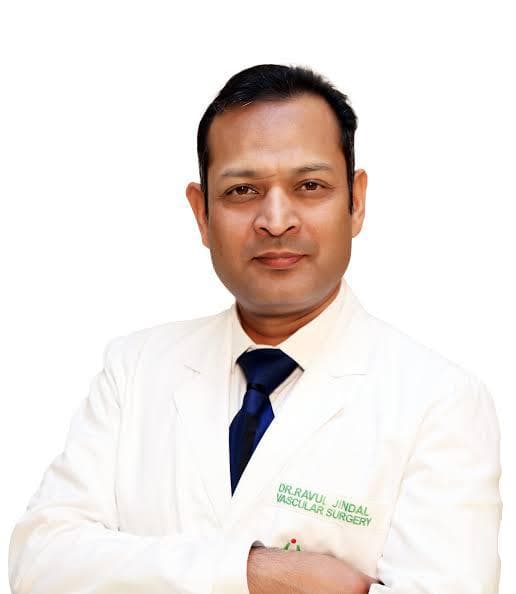
Dr. Ravul Jindal Team
Director, Vascular & Endovascular Surgery
MBBS, MS (General Surgery), FRCS (Edinburgh), DNB, FIVS (Fellow of India Vascular Surgery)
Director of Vascular Surgery at Fortis Hospital Mohali with 30+ years of experience in varicose veins, DVT, diabetic foot, and endovascular surgery.