Can Young People Get Varicose Veins? | Dr. Ravul Jindal

Can Young People Get Varicose Veins?
Varicose veins are usually pictured as an older person's problem, yet Dr. Ravul Jindal, Director of Vascular and Endovascular Surgery at Fortis Hospital, Mohali, sees patients in their twenties and thirties presenting with twisted veins, swollen veins, and unexplained leg heaviness every month. In clinical practice, the honest answer is yes - young adults can and do develop varicose veins, and early detection changes the outcome. Patients often ask whether visible ankle swelling or aching legs after a long day at a desk job in Mohali or Chandigarh is "normal" for someone under 40. Based on medical evidence, it usually isn't just fatigue - it can be an early circulation issue worth evaluating.
What Are Varicose Veins?
Varicose veins are enlarged, discolored blood vessels, most often on the legs, that form when vein valves weaken or become damaged. Healthy valves keep blood flow moving upward toward the heart; when they fail, blood pooling occurs and the vein stretches, producing bulging veins that appear blue or purple and rope-like under the skin. Along with visible veins, patients frequently report heaviness, swelling, itching, burning sensations, muscle cramping, and throbbing in the affected areas. While often dismissed as a cosmetic concern, this condition can progress to genuine discomfort and circulation issues if untreated - which is why an accurate diagnosis from a medical professional matters, not a guess based on appearance alone.
Causes and Risk Factors in Young Adults
Genetics is the single biggest driver - a family history of varicose veins raises risk significantly, even before obesity enters the picture. Hormonal changes during puberty or pregnancy can weaken vein walls, and prolonged sitting or standing, common in desk jobs and occupations like nursing and teaching, raises pressure in the leg veins. Lack of physical activity, sedentary lifestyle, extra body weight, and past leg injuries or surgery causing valve weakness add up further. Prevalence is rising among young adults, partly due to long hours at desk-based jobs across Punjab. Left unaddressed, this progressive condition rarely stays the same.
How Varicose Veins Actually Form
Mechanically, one-way valves inside the veins fail to stop blood from flowing backward. As blood collects instead of continuing toward the heart, the vein becomes overfilled, growing visibly swollen, twisted, and knobbly, often turning darkish-blue. Gravity worsens this process in the legs, since they sit farthest from the heart; the resulting increased pressure stretches the vein walls further, encouraging dilation and the formation of true varicosities. Over years, the walls themselves lose elasticity, becoming more susceptible to this cycle - which is exactly why symptoms in a 25-year-old can mirror those in a 55-year-old.
Early Signs of Varicose Veins in Young Adults
Recognising early signs early is the single most useful thing a young patient can do:
- Visible blue or purple veins, described as rope-like or bulging
- Swollen ankles or swollen feet, especially after standing
- Achiness or heaviness in the legs by end of day
- Mild leg cramps or restless leg sensations at night
- Itching or mild burning around the affected vein
Catching these symptoms at this stage allows for simpler, less invasive management and slows progression.
Why Early Attention Matters
Ignoring varicose veins in your twenties or thirties rarely makes them disappear. Left untreated, this progressive condition commonly leads to more noticeable, painful veins, skin discoloration or eczema near the vein, chronic swelling, and - though rarely - ulcer formation around the ankles. The underlying venous insufficiency doesn't reverse on its own; symptoms like pain, swelling, and skin changes tend to intensify, and complications such as skin ulcers, spontaneous bleeding, or blood clots can eventually develop. Early evaluation and appropriate treatment genuinely protect both comfort and appearance over the long term.
Will Varicose Veins Go Away on Their Own?
This is one of the most common questions patients ask. Simply put: varicose veins typically do not go away on their own. Pregnancy-related veins may improve within a few weeks after childbirth, but most cases persist and worsen if left untreated. The longer they stay that way, the higher the risk of complications and the more difficult they become to manage - which is why early evaluation is recommended even when symptoms feel mild.
Lifestyle Habits to Manage and Prevent Varicose Veins
Simple, consistent habits can meaningfully lower risk and ease symptoms:
- Stay active - walking or cycling daily supports blood flow and circulation
- Take movement breaks; stand and stretch every 30 minutes at a desk
- Elevate your legs to reduce pressure
- Choose supportive footwear over high heels
- Maintain a healthy weight through balanced diet and regular exercise
- Wear compression socks, especially while travelling or during prolonged standing
- Limit tight clothing around the thighs or waist, and follow a leg-friendly diet high in fibre and low salt
These small efforts add up, and in clinical practice, patients who adopt them early often need fewer procedures later.
Treatment Options for Young Adults
Treatment depends on severity and personal preference, and at a younger age, results are typically excellent with quicker recovery.
Conservative Options
Compression stockings and lifestyle changes - activity, diet, and leg elevation - remain the first line of management and support long-term vein health.
Non-Surgical Treatments
Sclerotherapy is a minimally invasive injection that seals small veins so they fade. Laser therapy, including endovenous laser treatment (EVLT), uses laser energy to close off superficial veins without surgery. Radiofrequency ablation uses controlled heat to close larger, problematic veins with only minor discomfort.
Surgical Options
For more advanced cases, vein stripping or phlebectomy removes excess veins under local anaesthesia. These effective treatments are reserved for patients who don't respond to conservative management.
Emotional Impact and Support
Varicose veins can affect self-image, mood, and everyday comfort, especially for younger patients self-conscious about visible veins in shorts or skirts. Talking with peers, joining online support groups, or consulting a therapist if confidence or emotions are affected is a legitimate part of care. Discreetly exploring cosmetic solutions with a specialist is holistic self-care, not vanity.
When to See a Vascular Specialist in Mohali or Chandigarh
If you're a young adult in Mohali, Chandigarh, or elsewhere in Punjab noticing swollen ankles, leg pain, or visibly bulging veins, prompt diagnosis matters. Genetics and extended periods of standing contribute to their formation in both younger and older individuals alike, so age alone should never rule out an evaluation. Intervention early prevents progression and the potential complications that come with waiting.
Conclusion
Varicose veins in young adults are far from rare, and early attention genuinely changes outcomes. Awareness of early signs, sensible lifestyle changes, and modern treatment options - from compression stockings to sclerotherapy and laser therapy - offer real relief and protect long-term leg health. A few thoughtful actions today can preserve both comfort and confidence for years to come.
Book a Consultation with Dr. Ravul Jindal - Vascular Surgeon, Fortis Hospital Mohali
Book your consultation while you read.
Recent Insights


Frequently Asked Questions
Can exercise worsen varicose veins?
Is pregnancy a high-risk time for developing varicose veins?
When is treatment recommended for young adults?
Related Articles

Sclerotherapy for Varicose Veins: Procedure, Benefits, and Recovery

Laser Treatment for Varicose Veins: How Does EVLA Work?

How to Prevent Varicose Veins in Legs During Pregnancy
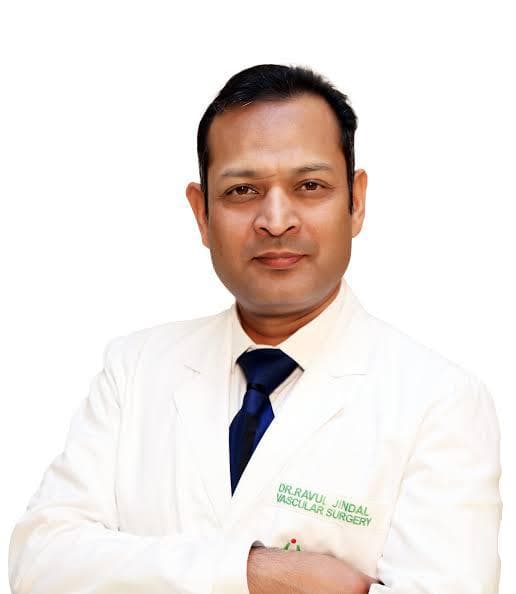
Dr. Ravul Jindal Team
Director, Vascular & Endovascular Surgery
MBBS, MS (General Surgery), FRCS (Edinburgh), DNB, FIVS (Fellow of India Vascular Surgery)
Director of Vascular Surgery at Fortis Hospital Mohali with 30+ years of experience in varicose veins, DVT, diabetic foot, and endovascular surgery.