Varicose Veins vs Chronic Venous Insufficiency: Key Differences

Difference Between Varicose Veins and Chronic Venous Insufficiency
Patients often ask - "Are varicose veins and chronic venous insufficiency the same thing?" It's one of the most common questions encountered in a vascular surgery clinic. The short answer is no, but the two conditions are deeply connected. Understanding the difference between varicose veins and chronic venous insufficiency is the first step toward getting the right diagnosis and the most effective treatment.
As a vascular surgeon with extensive experience managing venous disease, Dr. Ravul Jindal helps patients across Mohali and northern India recognize these conditions early - before they progress into serious, life-altering complications.
What Are Varicose Veins?
Varicose veins are the visible, physical manifestation of an underlying venous insufficiency problem. They appear as twisted, enlarged, rope-like, blue or purple veins beneath the skin - most commonly on the legs and feet. They are not a disease in themselves but rather a manifestation of a deeper circulatory issue.
These vessels become dilated, elongated, and deformed due to the high pressure to which they are constantly exposed. When the one-way valves inside the veins weaken or fail, blood can no longer flow smoothly upward toward the heart. Instead, it pools in the legs, causing veins to bulge and stretch.
Common symptoms of varicose veins include:
-
Rope-like veins visible under the skin
-
Aching, throbbing, or a sense of heaviness in the legs
-
Swelling around the ankles or feet
-
Itching or burning along affected veins
-
Cramps at night
In clinical practice, many patients delay seeking treatment because they consider varicose veins a purely cosmetic concern. However, left untreated, they may worsen over time and signal more serious circulation issues.
What Is Chronic Venous Insufficiency (CVI)?
Chronic venous insufficiency (CVI) is the more advanced, long-term form of venous disease. It occurs when the leg veins - particularly their valves - become so weak or damaged that blood continually pools in the lower limbs, raising venous pressure and damaging surrounding tissues.
In clinical practice, CVI is recognised not just by visible veins but by a broader pattern of symptoms that affect skin, tissue, and daily function:
- Persistent leg swelling (edema)
- Skin discolouration - often reddish-brown around the ankles
- Burning, tingling, or "pins and needles" sensations
- Leathery-looking or flaking skin
- Venous stasis ulcers - open sores that heal very slowly
- A feeling of fullness or heaviness in the legs
CVI is very common and usually affects people over age 50, though pregnancy, obesity, and prolonged standing or sitting can trigger it earlier. If left untreated, the pressure in leg veins can become so high that tiny capillaries may burst, causing tissue inflammation, tissue damage, and ultimately cellulitis - a potentially dangerous skin infection that requires prompt medical attention.
Severe swelling can also lead to scar tissue formation, trapping fluid in the tissues. The calf may feel enlarged and firm, and the skin becomes highly prone to persistent ulcers.
The Connection Between Varicose Veins and Chronic Venous Insufficiency
Both conditions belong to the spectrum of primary venous disease, rooted in the structural weakening of the vein wall. The lower limb venous system must work against gravity to return blood to the heart. This is accomplished through the calf muscle pump and the venous valve system.
The superficial veins act as the principal collection system, channelling blood from skin and tissue into the deep venous system for return to the heart. When valve reflux develops - meaning the valves become weak or leaky - backward flow of blood causes it to collect in the veins, creating venous hypertension.
Think of varicose veins as the visible tip of the iceberg and CVI as the deeper problem beneath the surface. Not everyone with varicose veins has venous insufficiency, but varicose veins are frequently an early sign. Even smaller spider veins can be early cosmetic clues that circulation is changing. When left unchecked, these visible changes may progress into full CVI.
Based on medical evidence, the key distinction is this: varicose veins are a visible symptom, while CVI describes the overall failure of the venous system to function properly - leading to advanced symptoms, skin changes, and tissue damage.
Risk Factors and Causes
Chronic venous disease is progressive - it tends to worsen without treatment. Patients in Mohali and across India frequently present with multiple overlapping risk factors:
- Age - valve function naturally weakens with age
- Family history - genetics plays a strong role
- Pregnancy - hormones and increased blood volume strain leg veins
- Obesity - extra weight increases pressure on leg veins
- Prolonged sitting or standing - reduces muscle-assisted blood flow
- Sedentary lifestyle and tight clothing that restricts blood flow
- Smoking - negatively impacts circulation
Early detection and intervention are key. Without proper management, CVI can cause venous ulcers, recurrent infections, or permanent skin damage - a condition known as lipodermatosclerosis.
Treatment Options for Varicose Veins and CVI
Based on clinical experience, treatment is tailored to the severity of the condition. For many patients, management begins with lifestyle measures: compression stockings, leg elevation, regular exercise, and weight control.
When symptoms persist, Dr. Ravul Jindal recommends minimally invasive procedures that are safe, effective, and require minimal downtime:
- Sclerotherapy - a quick injection that seals small veins
- Radiofrequency ablation (RFA) - heat energy closes diseased veins
- Microphlebectomy - removes larger varicose veins through tiny incisions
- VenaSeal - a medical adhesive that safely closes faulty veins
A duplex ultrasound is typically performed first to assess vein valve function and identify underlying reflux, ensuring the tailored treatment plan addresses the root cause - not just the visible symptom.
Prevention: Protecting Your Venous Health
Small, consistent habits can significantly reduce the risk of both varicose veins and CVI: Stay active - walking, swimming, and cycling strengthen the calf muscles, which act as your natural venous pump Elevate your legs regularly to support healthy circulation Wear compression stockings to reduce swelling and improve flow Maintain a healthy weight to reduce venous pressure Take movement breaks every 30 minutes if you sit or stand for long periods Even modest changes can slow progression and protect long-term leg health.
Book a Consultation with Dr. Ravul Jindal - Vascular Surgeon, Fortis Hospital Mohali
Book your consultation while you read.
Recent Insights

Frequently Asked Questions
What is the main difference between varicose veins and chronic venous insufficiency?
Can you have varicose veins without having chronic venous insufficiency?
How is chronic venous insufficiency diagnosed?
Can lifestyle changes reverse chronic venous insufficiency?
Related Articles

Sclerotherapy for Varicose Veins: Procedure, Benefits, and Recovery

Laser Treatment for Varicose Veins: How Does EVLA Work?

How to Prevent Varicose Veins in Legs During Pregnancy
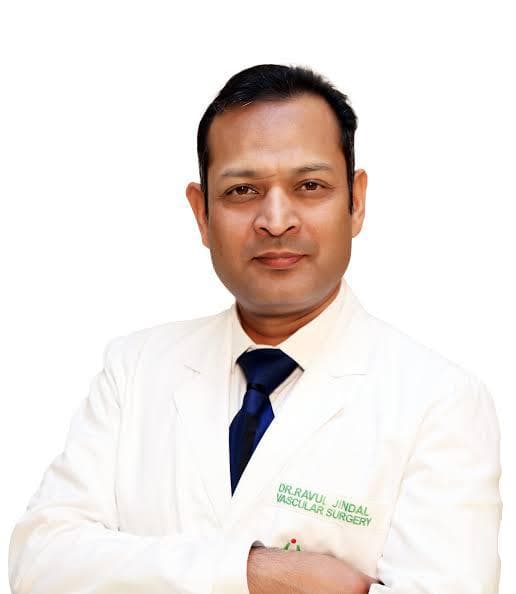
Dr. Ravul Jindal Team
Director, Vascular & Endovascular Surgery
MBBS, MS (General Surgery), FRCS (Edinburgh), DNB, FIVS (Fellow of India Vascular Surgery)
Director of Vascular Surgery at Fortis Hospital Mohali with 30+ years of experience in varicose veins, DVT, diabetic foot, and endovascular surgery.