Types of Varicose Veins: A Complete Guide | Dr. Ravul Jindal

Types of Varicose Veins: A Complete Medical Guide by Dr. Ravul Jindal
Varicose veins are one of the most commonly encountered vascular conditions in clinical practice. As a vascular surgeon with years of experience treating patients across India, I, Dr. Ravul Jindal, have seen how a lack of awareness about the different types of varicose veins leads to delayed diagnosis and avoidable complications. Whether you are experiencing leg swelling, aching, or visibly bulging, twisted veins, understanding which type affects you is the critical first step toward effective treatment.
These enlarged, swollen veins typically appear on the lower legs, though they can develop elsewhere on the body. They occur when the valves within the veins become worn and fail to pump blood efficiently back to the heart, causing blood to pool within the vessel. Factors like prolonged standing, sitting, pregnancy, being overweight or obese, and a family history of the condition all increase your risk.
Why Understanding the Types of Varicose Veins Matters
Patients often ask: "Are all varicose veins the same?" The answer is no. Varicose veins affect the superficial system of blood vessels closest to the skin, but they vary significantly in size, location, severity, and underlying cause. Identifying the correct type helps determine the most appropriate treatment options and prevents the condition from progressing to serious complications such as ulceration, bleeding, or varicose eczema.
In clinical practice, I follow a structured classification to guide patient care and ensure medically accurate, responsible treatment planning.
How Are Varicose Veins Classified?
Before exploring individual types, it is important to understand the broader classification of varicose veins:
Primary varicose veins arise due to inherited weak vein walls or valve malfunctions, with no identifiable underlying condition.
Secondary varicose veins result from conditions such as deep vein thrombosis (DVT) or chronic venous insufficiency (CVI). The root cause directly determines the most effective course of treatment.
Additionally, trunk veins — larger and more pronounced, often forming rope-like nodules under the skin — are distinguished from reticular veins, which form smaller bluish-green networks beneath the surface. While reticular veins are typically harmless, they may indicate broader vein diseases if left unexamined.
Telangiectasia Varicose Veins (Spider Veins)
Telangiectasia varicose veins, commonly known as spider veins, are among the most frequently seen types in outpatient vascular clinics. They develop when the small blood vessels near the skin, called venules, widen and form a visible spider-web network of lines. These are usually red, blue, or purple in appearance, thin in structure, and spread outward in a webbed pattern. They commonly appear on the legs, ankles, and face.
While often dismissed as a cosmetic concern, some patients experience pain, discomfort, pressure, and itching over the affected area.
Causes of Telangiectasia Varicose Veins
In rare cases, spider veins may be linked to hereditary hemorrhagic telangiectasia (HHT), a serious condition where telangiectasia forms on vital organs. Associated symptoms include frequent nosebleeds, shortness of breath, blood in stools, seizures, port-wine stain birthmarks, and minor strokes.
More commonly, the causes are multifactorial - genetic, environmental, and lifestyle factors all play a role. Chronic exposure to sunlight or extremes of temperature can trigger spider veins on the face.
Additional risk factors include: Ageing, alcohol consumption, prolonged use of corticosteroids, pregnancy, hormonal changes, skin conditions such as rosacea, scleroderma, and dermatomyositis, and autoimmune conditions like lupus erythematosus.
Treatments for Telangiectasia Varicose Veins
Based on medical evidence, the following treatments are effective:
Microsclerotherapy - a chemical agent is injected into the affected venules to seal them shut Laser therapy - pulses of laser light close the damaged vessels Surgery - surgically removed in select cases
Once treated, the body naturally redirects blood flow through nearby vessels.
Reticular Varicose Veins
Reticular varicose veins are prominent, vivid-coloured veins that appear in a mesh-like pattern beneath the skin. Unlike trunk varicose veins, they are not rope-like or raised, but they are thicker than spider veins and typically blue or purple in colour. They cover a wider surface area and are most commonly found near the ankles, inner thighs, and backs of knees. They may cause pain and cramps in the lower legs.
Causes of Reticular Varicose Veins
Reticular varicose veins result from vascular insufficiency, where the valves fail to move blood efficiently toward the heart, causing it to pool. Risk increases with prolonged sitting or standing, a family history of venous disease, pregnancy, and being overweight or obese.
Treatments for Reticular Varicose Veins
Lifestyle changes - including regular exercise, keeping the legs raised, and wearing compression stockings - can provide relief. When conservative measures fall short, clinical options include:
- Microsclerotherapy
- Endovenous laser ablation - an ultrasound-guided laser seals the vein as it is withdrawn
- Radiofrequency ablation - a probe delivers radiofrequency energy to the vein wall, also called thermocoagulation
- Surgery via ligation and strip
Saphenous (Trunk) Varicose Veins
Saphenous varicose veins, also referred to as trunk varicose veins, involve the saphenous veins — the longest superficial vein in the body, running from the ankle to the groin via the femoral triangle, carrying blood from the feet, legs, and thighs.
When the valves fail, blood flows backwards toward the ankle, causing the vein to become distorted and bulgy, visibly pushing through the skin. Patients often report red or brown patches on the skin above the vein, along with pain, discomfort, aching, itching, and cramping. Untreated cases can progress to varicose eczema, ulceration, and bleeding — complications I address regularly in advanced vascular care.
Causes of Saphenous Varicose Veins
Risk factors overlap with reticular and telangiectasia varicose veins and include a sedentary lifestyle, being a smoker, being overweight or obese, family history, pregnancy, and hormonal changes associated with periods — making women particularly vulnerable.
Treatments for Saphenous Varicose Veins
Treatment focuses on sealing or closing the vein, after which it is broken down and reabsorbed by the body. Options include:
- Microsclerotherapy
- Endothermal ablation (endovenous laser ablation or radiofrequency ablation)
- Ultrasound guided foam sclerotherapy - foam is introduced to seal the vein with scar tissue
- Cyanoacrylate glue occlusion - medical glue closes the vessel
- Ligation and stripping in surgical cases
Varicose Vein Symptoms You Should Never Ignore
Patients frequently underestimate their symptoms. Seek specialist evaluation if you notice:
Leg swelling around the ankles, aching, throbbing, or heaviness in the legs after prolonged standing or sitting, burning, warmth, or irritation over the affected veins, skin changes including discoloration, dryness, or rashes, itching or localized inflammation around visible veins, and fatigue or persistent leg discomfort that does not ease with rest.
Diagnosing Varicose Veins: What to Expect
A thorough diagnosis at a qualified vein clinic includes a detailed clinical examination of the legs, a review of your family history, and an ultrasound scan to assess the nature and extent of the condition. Early diagnosis ensures a personalised treatment plan that suits both your medical needs and budget - making timely consultation essential for long-term vascular health.
Book a Consultation with Dr. Ravul Jindal - Vascular Surgeon, Fortis Hospital Mohali
Book your consultation while you read.
Recent Insights

Frequently Asked Questions
What are the main types of varicose veins?
Are spider veins and varicose veins the same thing?
Which type of varicose vein is most serious?
Can varicose veins be dangerous if left untreated?
Related Articles

Sclerotherapy for Varicose Veins: Procedure, Benefits, and Recovery

Laser Treatment for Varicose Veins: How Does EVLA Work?

How to Prevent Varicose Veins in Legs During Pregnancy
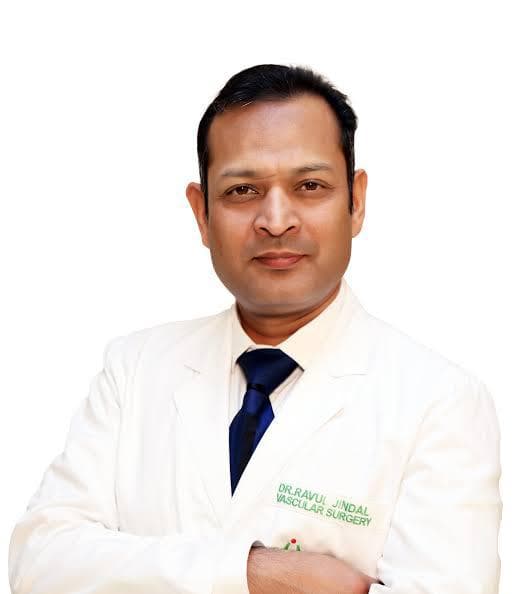
Dr. Ravul Jindal Team
Director, Vascular & Endovascular Surgery
MBBS, MS (General Surgery), FRCS (Edinburgh), DNB, FIVS (Fellow of India Vascular Surgery)
Director of Vascular Surgery at Fortis Hospital Mohali with 30+ years of experience in varicose veins, DVT, diabetic foot, and endovascular surgery.